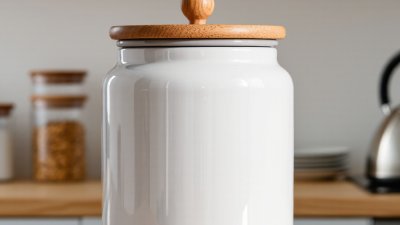
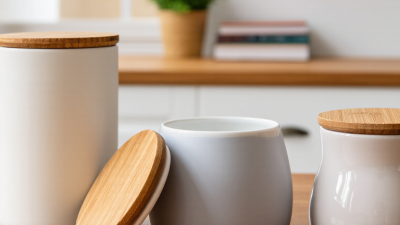
2026 Top Ceramic Jar With Wood Lid Wholesale Suppliers
Choosing a reliable Ceramic Jar With Wood Lid supplier takes more than comparing catalog photos. In 2026, buyers should look closely at material specifications, production capacity, customization options, and communication practices. A clear product sheet can confirm jar dimensions, ceramic finish, lid material, and available packaging. Ask how suppliers check glaze consistency and lid fit across production batches. Small details matter.
A physical sample is useful. Check whether the lid sits evenly, the jar feels balanced, and the finish matches your needs under ordinary lighting. For wholesale orders, request information about minimum quantities, sample costs, lead times, and quality-control procedures. These details can reveal whether a supplier is prepared for repeat orders, not just a single attractive shipment. Still, no checklist removes every risk. Samples may not reflect the full production run, and timelines can change.
This guide introduces ceramic jar wholesale suppliers and practical ways to compare them. It focuses on verifiable details rather than unsupported rankings or broad promises. Buyers can use the questions here to assess product fit, service, and order readiness before requesting a quotation. The right choice depends on your market, budget, and intended use. A supplier may look strong on paper and still need closer review. That takes time.
Understanding Ceramic Jars With Wood Lids and Their Uses
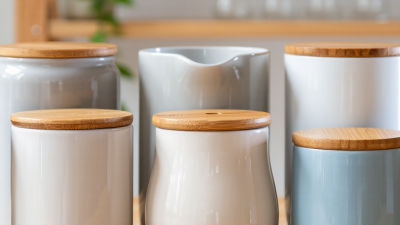
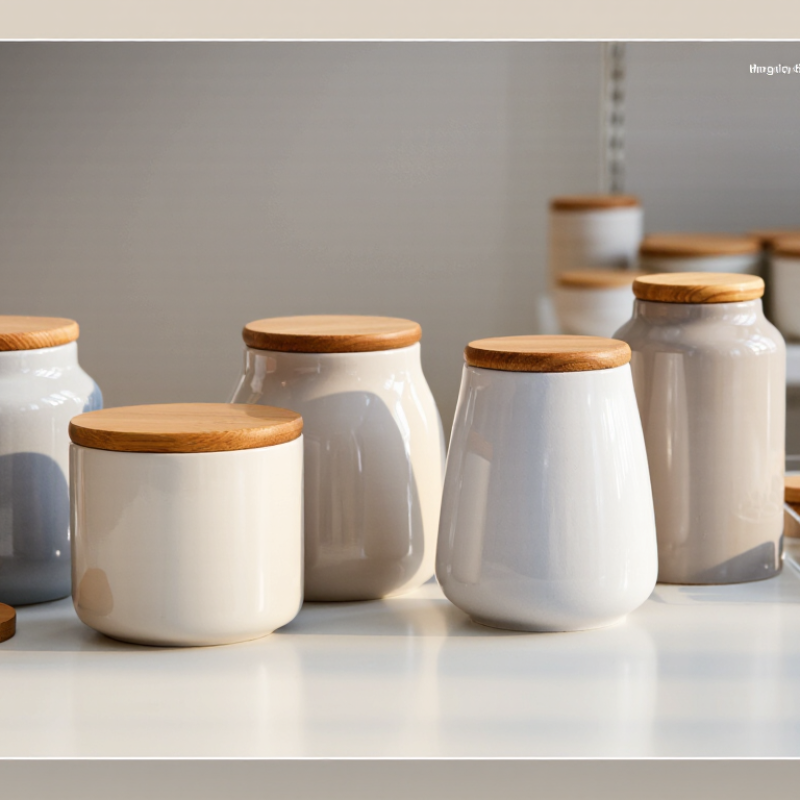
Ceramic jars with wood lids pair a hard, glazed body with a warmer natural finish. The glaze helps resist stains and odors, while the jar’s weight keeps it steady on a counter. A wood lid may use a silicone gasket, but not every design seals tightly. Check the fit before storing ingredients that need protection from humidity.
These jars suit coffee, tea, sugar, and dry pantry staples. Smaller versions can hold cotton pads or hair ties in a bathroom; larger ones work beside a kitchen sink for utensils. Keep wooden lids dry and wipe them by hand. They are usually not suitable for dishwashers.
Eurostat’s Packaging Waste Statistics recorded 186.5 kilograms of packaging waste per EU resident in 2022. This figure covers all packaging, not ceramic jars specifically, but it gives useful context for buyers considering durable storage. For wholesale selection, compare glaze consistency, lid fit, and replacement availability across samples. A beautiful lid is not always a practical one. Ask how the wood is finished, and test the closure with the intended contents before ordering in bulk.
Key Materials, Designs, and Quality Standards in 2026
2026 Top Ceramic Jar With Wood Lid Wholesale Suppliers
Key Materials, Designs, and Quality Standards in 2026
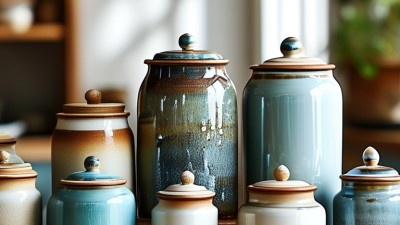
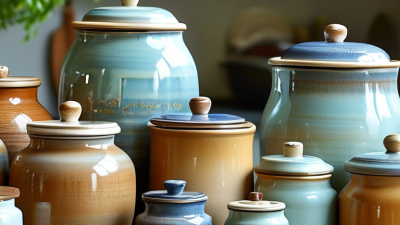
Ceramic jars pair a dense fired body with a tactile wood lid. For wholesale, ask suppliers to identify the clay body, glaze type, and wood species. Check samples for pinholes, uneven glaze, wobble, and a lid that shifts when handled. Small flaws matter. A beautiful finish is not proof of consistent production. Grand View Research estimated the global ceramic tableware market at about USD 10.13 billion in 2023, reflecting strong category demand. Its forecast is broad, though; market definitions may not match storage jars exactly.
For food-contact use, request test reports covering the finished ceramic, not just raw materials. ISO 6486-1:2019 specifies methods for testing lead and cadmium release from ceramic ware. Confirm that the tested glaze and production finish match the order. Wood lids need separate checks: moisture stability, smooth edges, coating details, and fit after repeated opening. Silicone seals may improve closure, but they should be specified and inspected as a separate component.
Tips: Request pre-production samples and test them with the intended contents and cleaning routine. Measure jar capacity, lid fit, and surface defects against written tolerances. Keep one approved sample as the reference; it can still miss problems in later batches.
How to Evaluate Ceramic Jar Wholesale Suppliers
A reliable ceramic jar supplier should prove consistency, not just show polished product photos. Request a production sample in the exact size, glaze, and wood-lid finish you plan to order. Check the rim for chips, run a finger around it, and see whether the lid sits flat without rocking. Small gaps matter. They can affect the appearance, stacking, and customer experience.
Confirm dimensions and tolerances in writing, including jar capacity, wall thickness, and lid diameter. Glaze color can shift slightly between kiln batches, so ask how the supplier manages variation and inspects finished pieces. Request quality-check records, packaging test results, and relevant material or food-contact documentation for your intended use. “Premium quality” is not enough. Ask how defects are recorded and resolved.
Compare minimum order quantities, sample fees, production times, and carton specifications side by side. For wood lids, ask about moisture conditioning, finish consistency, and scratch protection during transit. A basic drop test on a packed sample can expose weak dividers. A low quote may look sensible on paper, but loose lids or uneven glaze can make it costly. It is easy to overlook packaging until the first shipment arrives. Confirm that the approved sample will guide bulk production, and clarify who handles corrective action.
How to Evaluate Ceramic Jar Wholesale Suppliers
Suggested evaluation weights for comparing ceramic jar suppliers. Prioritize product quality and compliance, then assess lead time, customization, pricing, and communication. These weights are a practical scoring framework, not results from a supplier survey.
Sourcing, Pricing, and Ordering Ceramic Jars in Bulk
2026 Top Ceramic Jar With Wood Lid Wholesale Suppliers
Sourcing, Pricing, and Ordering Ceramic Jars in Bulk
Bulk buyers should compare landed cost, not just the unit price. Grand View Research estimated the global ceramic tableware market at USD 10.45 billion in 2023, with growth projected through 2030. That broad category offers useful context, but it does not predict demand or pricing for ceramic jars specifically. Treat it as background, not a purchasing forecast. When requesting quotes, specify jar capacity, dimensions, glaze, lid material, order quantity, and destination. Ask suppliers to separate tooling, packaging, freight, and sample charges. Small differences add up.
Request a pre-production sample and check its weight, rim finish, glaze consistency, and lid fit. A wood lid should sit evenly without wobbling; test it after repeated opening and closing. Samples matter. Confirm carton dimensions and protective inserts, then ask how breakage claims are documented. Compare minimum order quantities and production schedules alongside prices. Also request written specifications and relevant food-contact documentation for the intended use. One weak spot in many comparisons is ignoring moisture exposure: wood can respond differently to storage conditions. Ask how lids are dried, finished, and packed, but verify the answer with a sample. Before approving a large order, agree on acceptable color variation and inspection criteria in writing.
Supplier Comparison Criteria for Wholesale Buyers
Wholesale buyers should compare more than unit price. Request a written specification for jar capacity, weight, rim dimensions, glaze finish, and lid fit. A wooden lid should sit evenly without rocking, while its seal should be checked with the intended product. Ask suppliers for pre-shipment samples and batch inspection records. A glossy sample can hide uneven glaze or small chips. Small details matter.
Compare production consistency using documented tolerances, defect limits, and replacement terms. Request carton dimensions, divider design, drop-test results, and the supplier’s process for handling transit damage. These checks matter because a low quote can become costly when jars arrive chipped or lids vary between batches. Also compare minimum order quantities, production lead times, and the evidence behind food-contact or material claims. Specifications should be clear, not implied.
Sustainability claims need careful review. The OECD’s 2022 Global Plastics Outlook estimated that 353 million tonnes of plastic waste were generated worldwide in 2019, with 9% recycled. This is broad context, not proof that a ceramic jar has a lower footprint. Ask for product-specific material or lifecycle data before making comparisons. I would also compare shipping weight and protective packaging; buyers sometimes overlook both when judging the total impact.