

65337edc2x

Leave Your Message

How to Choose the Best Ceramic Food Storage Jar?

Choosing the Best Ceramic Food Storage Jar is not simply about color, shape, or a beautiful kitchen display. A reliable jar should protect food while fitting naturally into daily routines. Check the clay body, glaze quality, lid design, capacity, and cleaning instructions before admiring its appearance.

Ceramic materials expert Linda Bloomfield offers a useful principle: “Food safety is a material decision, not a decorative feature.” Her point matters because a glossy surface does not automatically prove that a jar is suitable for food contact. Look for clear manufacturer information about food-contact use, glaze stability, firing quality, and care requirements. The inner surface should feel smooth, without cracks, rough patches, or pinholes. Small defects can trap oil, flour, or moisture. That is easy to overlook.

Think about what the jar will actually store. A wide opening helps when scooping rice or coffee. A tight-fitting lid helps reduce humidity and kitchen odors. However, “airtight” claims deserve careful attention. Some ceramic lids look secure but do not contain a real seal. Measure your shelf first. A two-liter jar may look practical in a showroom, then become awkward beside a crowded kettle.

Weight matters too. Thick ceramic feels reassuring, but it can become inconvenient when full. Dark glazes may hide stains; light glazes make cleanliness easier to inspect. There is no perfect choice. The best Ceramic Food Storage Jar balances safety, durability, capacity, maintenance, and personal habits. A little reflection prevents an attractive mistake.
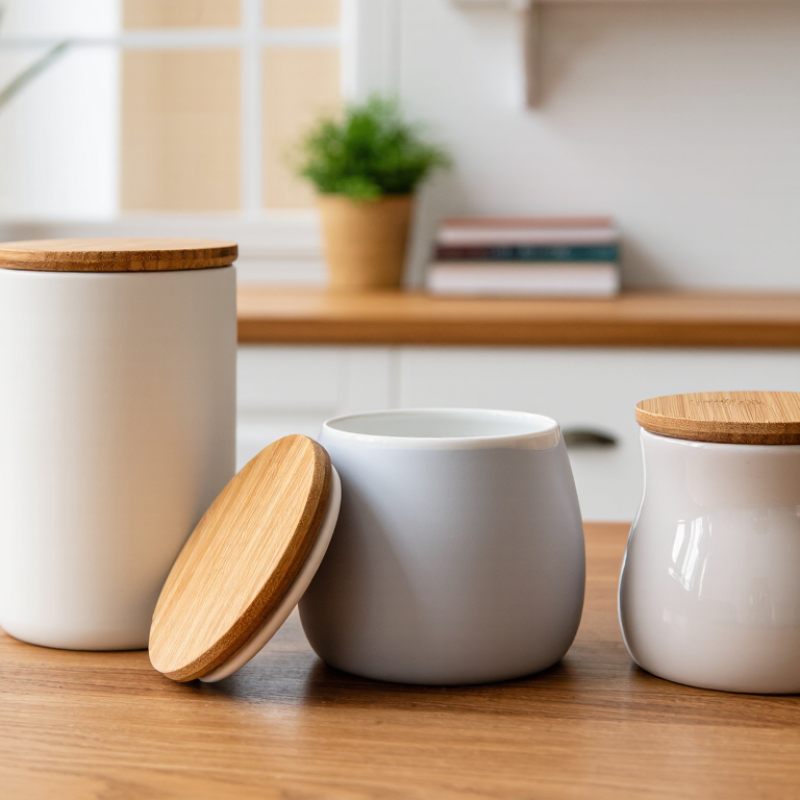
How to Choose the Best Ceramic Food Storage Jar?

Define Your Food Storage Needs and Jar Usage

Choosing a ceramic food storage jar starts with your actual food habits, not its appearance. In my own kitchen, jars worked well for rice, oats, tea, and dried beans. They were less convenient for leftovers because ceramic adds weight and needs careful handling. The USDA estimates that 30–40% of the U.S. food supply is lost or wasted. Better storage can reduce avoidable spoilage, but only when the container matches your routine.

Measure your usual portions before choosing jar capacity. A 500-milliliter jar suits spices or small snacks. Larger households may need 1.5-liter jars for flour or grains. The UNEP Food Waste Index Report 2024 reported 1.05 billion tonnes of food waste in 2022, with households responsible for 60% of it. Clear labeling helps prevent forgotten food. Date labels matter.

Check the jar’s glaze and food-contact safety information. A fully glazed interior is easier to clean and less likely to absorb oils or odors. Use an airtight lid for dry foods, especially in humid kitchens. Ceramic can crack under sudden temperature changes. Avoid moving a cold jar directly into a hot oven. I once ignored this detail. The result was an expensive lesson. Choose a wide mouth if you measure ingredients often, and inspect the seal after repeated washing. Practical use beats decorative appeal.
Compare Ceramic Materials, Glazes, and Food-Safety Standards

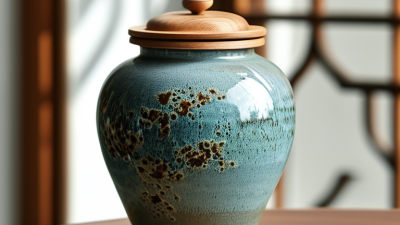
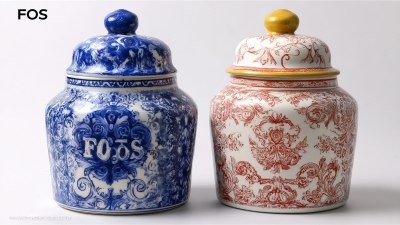
Choosing a ceramic food storage jar starts with the clay body. Stoneware is usually dense, sturdy, and suitable for daily kitchen use. Earthenware can be attractive, but it may absorb more moisture unless properly sealed. Porcelain feels smooth and light, although it can chip when dropped. Tap the jar gently. A clear, even sound may suggest fewer internal defects, but this is not a safety test.

The glaze deserves closer attention. Look for a fully covered interior without pinholes, cracks, rough patches, or flaking edges. These flaws can trap oil and bacteria. Food-contact glazes should be tested for lead and cadmium migration, not merely described as “natural” or “non-toxic.” Standards differ by market, so check the seller’s test reports and food-contact compliance documents. Vague claims are a warning sign. I once preferred a handmade jar with a beautifully uneven glaze, but the rough inner rim made cleaning frustrating. Appearance is not enough.

Tips: Choose a tight-fitting lid, but avoid seals that touch food unless their material is documented as food-safe. Confirm dishwasher and microwave guidance before use. Never store acidic foods for long periods without clear safety information. Inspect the surface regularly. A small crack can become a larger problem. Also, remember that ceramic quality varies between batches, so one careful inspection may not represent every jar.

Choose the Right Jar Size, Shape, Lid, and Seal

How to Choose the Best Ceramic Food Storage Jar?

Choose the Right Jar Size, Shape, Lid, and Seal

Start with the food you store most often. A tall jar suits spaghetti, oats, and dried beans. A wider jar works better for flour, tea, or snacks. Leave a little space above the food. Overfilling makes scooping messy and can strain the lid. I once chose a beautiful narrow jar for rice, but cleaning the bottom became frustrating. Practical shape matters more than appearance.

Check the lid carefully. A tight-fitting lid helps reduce moisture, odors, and accidental spills. Silicone or rubber seals usually create a more dependable barrier than a loose ceramic cover. Press the seal gently and inspect it for gaps. The lid should open smoothly, but it should not wobble. For daily use, choose a jar with a wide mouth and comfortable grip. Small details matter.

Tips: Match capacity to your weekly use, not your ideal pantry. Store heavier jars on lower shelves. Before buying, measure the shelf height and depth. Also, wash the jar according to its care instructions and dry it completely. Ceramic can look strong, yet sudden temperature changes may cause cracking. A seal may also weaken over time, so replace it when it becomes loose or brittle.

Evaluate Durability, Cleaning, and Everyday Maintenance

How to Choose the Best Ceramic Food Storage Jar?

A durable ceramic jar should feel solid, not excessively heavy. Inspect the rim, base, and glazed surface carefully. Small chips can trap food and moisture. The FDA Food Code 2022 recommends food-contact surfaces that are durable, smooth, and easily cleanable. This makes a continuous, non-porous glaze more practical than rough decorative textures. Avoid sudden temperature changes. Moving a hot jar directly into cold water may cause cracking, even when the ceramic looks strong. No jar stays perfect forever.

Cleaning habits often decide a jar’s real lifespan. Wash it soon after use, especially after storing oily sauces or sweet foods. Use warm water, mild detergent, and a soft sponge. Abrasive pads can create tiny scratches that hold residue. The USDA advises refrigerating perishable leftovers within two hours and using them within three to four days. A tight-fitting lid supports safe storage, but it does not replace refrigeration. Dry the jar and lid completely before closing them. Trapped moisture can create unpleasant odors.

Tips: Choose dishwasher-safe ceramic only when the maker clearly confirms it. Check the lid seal every few weeks. Do not use a chipped jar for food storage. If stains remain after washing, soak the jar briefly instead of scrubbing aggressively. This slower method feels inconvenient, but it usually protects the glaze better. WHO’s Five Keys to Safer Food also emphasizes keeping storage surfaces clean and preventing contamination.

How to Choose the Best Ceramic Food Storage Jar?

Compare common ceramic jar constructions by durability, cleaning ease, and everyday maintenance. Scores are practical evaluations based on typical material properties and care requirements, not brand-specific data.

How to read the chart: Glazed ceramic generally offers the best balance because its sealed surface is easier to clean and more resistant to staining. Unglazed ceramic may require more careful maintenance, while silicone-sealed lids can improve storage performance but add removable parts to clean.

Check Design, Price, Sustainability, and Long-Term Value

How to Choose the Best Ceramic Food Storage Jar?

Design should serve daily use, not decoration alone. Choose a wide mouth for easy scooping and cleaning. A snug lid helps protect rice, flour, coffee, and spices from moisture. Check the jar’s weight, glaze quality, and stability on a crowded shelf. Small details matter. A rough rim can trap residue and become frustrating over time. Ceramic also blocks light better than many transparent containers, which may help protect sensitive ingredients.

Price needs careful judgment. A low price may hide a thin lid, uneven glaze, or weak seal. A higher price is not automatically better. Compare capacity, closure design, cleaning requirements, and expected lifespan. The OECD’s Global Plastics Outlook reported that global plastic waste doubled from 2000 to 2019, reaching 353 million tonnes. Reusable storage deserves attention, but ceramic production still uses energy and raw materials. Sustainability is not perfect here.

Tip: Choose one durable jar instead of several decorative pieces you rarely use. The United Nations Environment Programme reported that municipal solid waste could rise from 2.24 billion tonnes in 2020 to 3.88 billion tonnes by 2050. Long-term value means repeated use, repairable lids, and fewer replacements. Avoid jars with complicated parts. They look clever. Sometimes, they fail sooner. Check whether replacement lids are available, and consider your actual shelf space before buying. A beautiful jar that stays unused is still waste.

How to Choose the Best Ceramic Food Storage Jar? - Check Design, Price, Sustainability, and Long-Term Value

Jar Profile Typical Capacity Typical Retail Price* Best For Design & Usability Sustainability Factors Expected Service Life Long-Term Value Score
Small airtight jar 300–500 ml US$8–18 per jar Tea, spices, seeds, nuts, and small snacks Compact footprint; a silicone or rubber gasket improves the seal; a wide opening makes scooping easier. Uses less ceramic material than larger formats; choose a replaceable gasket and a lead-free food-contact glaze. 5–10+ years with careful use 4.1 / 5
Medium everyday jar 750 ml–1.2 L US$12–28 per jar Rice, pasta, flour, sugar, cereal, and dried beans The most versatile size; stack only when the base and lid are specifically designed for stacking; a visible fill level helps prevent overbuying. Good balance between material use and storage capacity; durable ceramic can replace repeated single-use packaging. 8–15+ years with careful use 4.7 / 5
Large pantry jar 1.5–2.5 L US$20–45 per jar Bulk grains, pet treats, baking ingredients, and family-size staples High storage capacity and strong visual impact; heavier to lift and more demanding of shelf depth and clearance. Can reduce packaging waste for bulk purchases, but its greater weight requires more material and transport energy. 8–15+ years with careful use 4.2 / 5
Stackable modular set 400 ml–1.5 L per jar US$35–90 per set Organized kitchens with limited cabinet or counter space Uniform dimensions improve space efficiency; matching lids and stable bases make daily organization easier. Efficient use of shelf space can reduce the need for extra containers; replaceable lids or seals extend usable life. 8–15+ years with careful use 4.6 / 5
Decorative countertop jar 1–2 L US$18–50 per jar Cookies, coffee, countertop staples, and visible serving storage Decorative shape or hand-finished surface; prioritize a broad, stable base and a lid that can be opened with one hand. Long use can offset the higher purchase price; avoid buying purely for decoration if the jar will not be used regularly. 8–15+ years with careful use 3.9 / 5
Refrigerator-safe food jar 500 ml–1 L US$15–35 per jar Prepared foods, sauces, leftovers, and chilled ingredients Choose a straight-sided form for easy cleaning and a lid designed for repeated opening; verify refrigerator and dishwasher guidance. Reusable for many storage cycles; ceramic resists odor absorption better than some plastics, but thermal shock can cause cracking. 5–10+ years with careful use 4.3 / 5
Buying guidance: For most households, a 750 ml–1.2 L medium jar offers the strongest balance of price, capacity, usability, and material efficiency. Select a lead-free food-contact glaze, a secure replaceable seal, a smooth interior, and a lid that is easy to clean. Avoid sudden temperature changes because ceramic can crack from thermal shock.

*Price ranges are indicative retail estimates in U.S. dollars for unbranded ceramic jars and small sets. Actual prices vary by capacity, lid material, craftsmanship, country, and shipping. Service-life estimates assume normal household use, handwashing or manufacturer-approved cleaning, and no impact damage.