

65337edc2x

Leave Your Message

China Top 10 Ceramic Bone Ash Jar Manufacturers?

Choosing a reliable Ceramic Bone Ash Jar manufacturer requires more than comparing product photos and listed prices. China has a deep ceramics industry, supported by experienced molding teams, glaze specialists, and high-temperature kiln operations. Yet factory capabilities can vary widely. This guide introduces ten notable Chinese manufacturers connected with Ceramic Bone Ash Jar production and evaluates them through practical purchasing criteria.

Our review considers material consistency, shape accuracy, glaze quality, customization options, packaging, production capacity, and export experience. We also look for clear product specifications, sample policies, factory evidence, and responsive communication. A dependable supplier should explain clay composition, firing temperatures, dimensions, and quality inspection procedures without vague promises. Small details matter. A smooth lid fit matters. So does a crack-free rim.

The shortlist is intended for importers, distributors, memorial product retailers, and buyers seeking stable long-term partnerships. It does not treat online visibility as proof of manufacturing strength. Instead, the discussion encourages readers to verify factory addresses, request recent samples, and confirm packaging performance before placing larger orders. No ranking is perfect. Some suppliers may appear stronger online than they perform in practice, while quieter factories may offer excellent workmanship. That uncertainty deserves attention. By combining industry experience, documented evidence, and careful communication, buyers can make a more informed comparison of China’s Ceramic Bone Ash Jar manufacturers.
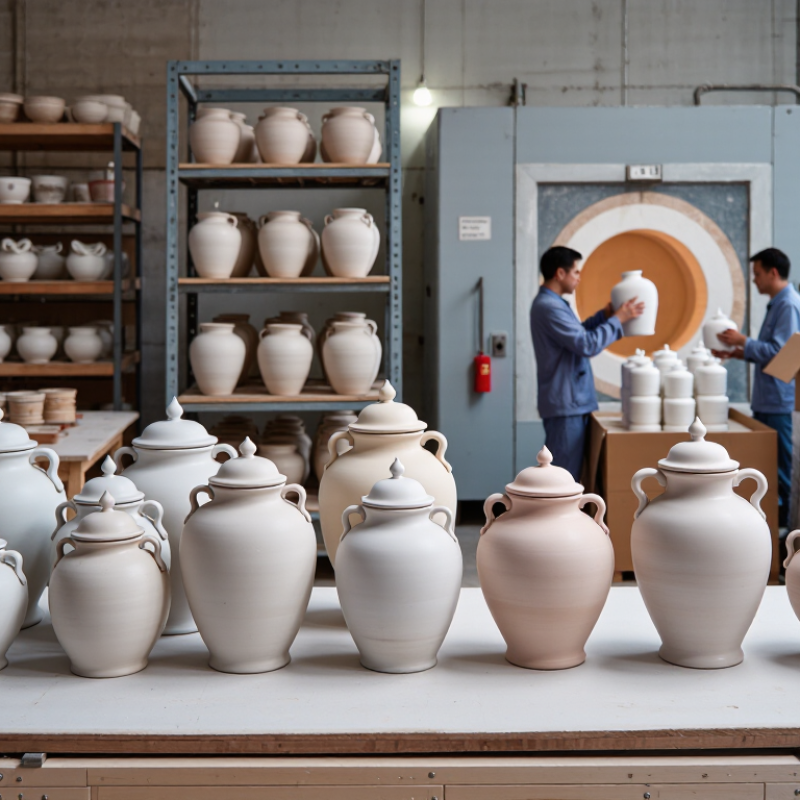
China Top 10 Ceramic Bone Ash Jar Manufacturers?

Ceramic Bone Ash Jars: Definition, Uses, and Key Features

Ceramic Bone Ash Jars: Definition, Uses, and Key Features

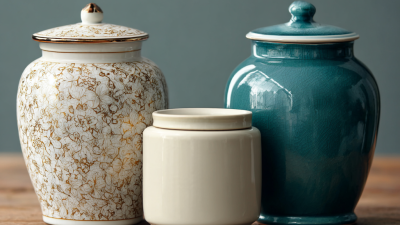
Ceramic bone ash jars are vessels used to hold cremated remains, including those of people or pets. They are usually made from fired clay, with a glazed surface that helps resist everyday moisture and dust. The phrase “bone ash” can be confusing: it may describe the intended contents, not an ingredient in the ceramic body. Buyers should check the maker’s material specification rather than infer composition from the product name.

These jars suit home remembrance, columbarium placement, or burial where permitted. Ceramic offers a solid, weighty feel and can be shaped with a narrow neck, fitted lid, or smooth base. Glaze colors and hand-finished details vary, but ceramic can chip or crack if dropped. Check the opening size, lid fit, capacity, and care instructions. Small details matter.

Demand for memorial vessels sits within a broader shift toward cremation. The Cremation Association of North America’s 2024 Annual Statistics Report projected a U.S. cremation rate of 61.9% in 2024. That figure does not measure ceramic urn sales, but it helps explain why families compare more keepsake and memorial options. A practical choice is one that fits the intended setting and feels comfortable to handle; decorative appeal alone may not be enough.
How to Evaluate Chinese Ceramic Bone Ash Jar Manufacturers

When evaluating Chinese ceramic bone ash jar manufacturers, assess process control, not just polished sample photos. UNIDO’s International Yearbook of Industrial Statistics 2024 places China at roughly 31% of global manufacturing value added in 2022. That scale offers many supplier options, but it does not verify any factory’s workmanship. Request a production sample and compare it with the approved drawing. Check capacity, wall thickness, lid fit, glaze consistency, and the base’s stability on a flat surface. Ask for batch records and test results relevant to the ceramic body and intended use. A certificate alone is not proof that each shipment matches the sample.

Tips: Specify measurable tolerances, packaging requirements, and inspection points in writing. Use ISO 2859-1 sampling plans for lot inspections; the standard guides sampling, but does not certify product quality. Photograph defects under consistent lighting. Small chips can be hard to spot.

Also check whether the supplier makes the jars in-house or outsources firing and finishing. Ask how it controls kiln temperature and handles rejected pieces. A glossy sample can hide uneven glaze near the rim. No checklist catches every flaw, so inspect a pre-shipment batch when practical. Compare quotations by material, testing, packaging, and lead time—not price alone. A supplier’s clear answers matter, though even good documentation cannot guarantee a perfect delivery.

China’s Top 10 Ceramic Bone Ash Jar Manufacturers

China’s Top 10 Ceramic Bone Ash Jar Manufacturers are best compared by production quality, not catalogue size alone. A dependable maker should explain its ceramic body, firing range, glaze options, and inspection process. Ask for a sample and check the lid fit, base stability, and finish under natural light. Small flaws matter.

Manufacturers vary in their strengths. Some offer hand-painted details and custom shapes, while others focus on consistent dimensions and larger production runs. For each supplier, request clear product measurements, material information, sample lead times, and protective packaging details. A jar can look elegant in a photograph yet arrive with a loose lid or chipped rim. That gap deserves attention.

A fair comparison also considers communication and quality records. Ask how the workshop checks glaze coverage and handles defects before shipment. Review recent production photos, but treat them as supporting evidence, not proof. The phrase “top ten” is not a fixed industry ranking; capabilities change, and public information may be incomplete. I would verify claims directly and compare the same specifications across suppliers. Even then, one sample cannot reveal every batch variation. A careful buyer keeps that uncertainty in view.

Manufacturing Processes and Quality Standards in China

Ceramic bone ash jars begin with controlled batching: bone ash, kaolin, feldspar, and other ingredients are weighed and mixed before forming. Slip casting suits curved bodies and detailed lids, while careful drying helps prevent cracks around handles and rims. Kiln schedules must match the specific clay body and glaze; a single temperature is not a universal quality guarantee. Small flaws matter.

During production, inspectors should record batch numbers, dimensions, lid fit, glaze coverage, and firing conditions. A practical check includes placing each lid on its jar and testing for rocking or sharp edges. Color variation may occur between kiln loads, so buyers should request approved samples and documented inspection criteria. A polished glaze can still conceal a weak joint.

The ISO Survey 2022 reported 1,265,216 valid ISO 9001 certificates worldwide. This indicates broad use of audited quality-management systems, but it does not certify any particular jar or factory. Ask suppliers for current process records and test results, then confirm what each result actually measures. Ceramic-specific acceptance limits can vary, and documentation is not always as complete as buyers hope.

Pricing, Customization, and Export Considerations

When comparing ceramic bone ash jar manufacturers in China, request a quote for the exact size, finish, and order quantity. Pricing can change with clay composition, glaze, hand-painted details, and mold fees. A plain white jar and a customized lidded design are not comparable quotations. Ask whether the price includes samples, inner packaging, and inspection. Small details matter.

Customization usually begins with a drawing or physical sample. Confirm the jar’s capacity, lid fit, color tolerance, and logo placement before approving production. A sample may look consistent under showroom lighting but differ slightly in daylight. That is worth checking. Ask how defects are defined and whether replacement terms appear in writing. Custom molds can add time and cost, so clarify ownership and future reuse before paying.

Export planning affects the final landed cost. Request the packed dimensions, carton weight, production lead time, and shipping options, then compare freight and insurance separately. Ceramic jars can chip when lids shift, so ask for protective dividers and drop-test details where appropriate. Verify that invoices, packing lists, and product descriptions match the shipment. Import duties and documentation requirements vary by destination, so confirm them with a qualified customs broker. A cheaper factory quote may not be cheaper after breakage, freight, and delays.

China Top 10 Ceramic Bone Ash Jar Manufacturers? - Pricing, Customization, and Export Considerations

Important: The rows below are anonymized supplier capability profiles, not a verified ranking or a list of identified manufacturers. Prices and minimum order quantities are indicative sourcing estimates for budget planning, not supplier quotations; confirm specifications, production capacity, and trade terms directly before ordering.

Profile Typical Product Focus Common Ceramic and Finish Options Indicative FOB China Price (USD/unit) Indicative MOQ Customization Options Export and Purchasing Considerations
1. Small-batch studio producer Hand-finished adult urns and keepsake jars Stoneware or porcelain; glazed, satin, or matte finish $18–$45 50–100 units Color, surface decoration, small-batch shape adjustments, and gift packaging Request pre-production samples and confirm that handmade variations in color, dimensions, and finish are acceptable.
2. High-volume tableware and ceramic factory Standardized urn forms made on established production lines Glazed ceramic or porcelain; repeatable standard colors $8–$22 300–500 units Existing mold selection, glaze color, decal placement, and carton printing Check whether the factory has experience with urn lids and secure closures; confirm production and inspection schedules in writing.
3. Porcelain specialist Fine-finish adult urns and smaller keepsake vessels Porcelain; glossy, matte, or selectively decorated surfaces $12–$35 100–300 units Shape, glaze, underglaze decoration, and presentation box Ask for sample photos under neutral lighting and specify acceptable limits for glaze marks, color differences, and dimensional variation.
4. Stoneware and rustic-finish producer Heavier urns with understated or artisan-inspired styling Stoneware; matte, textured, or reactive-glaze effects $10–$28 100–300 units Texture, glaze palette, lid profile, and decorative motifs Confirm net weight and packed dimensions because heavier pieces may increase freight and handling costs.
5. Custom-mold producer OEM shapes and designs not available in a standard catalog Porcelain or stoneware, depending on the mold and design $15–$40 per unit, plus possible tooling charges 300–1,000 units New shape, dimensions, lid design, surface finish, and private-label packaging Obtain written approval of mold ownership, tooling fees, sample sign-off, and any restrictions on reuse of the design.
6. Decorative-transfer producer Urns with printed patterns, memorial artwork, or text Glazed ceramic or porcelain with applied transfer decoration $10–$30 200–500 units Artwork, color, placement, personalization, and packaging artwork Approve a production sample and check spelling, artwork rights, print durability, and color matching before bulk production.
7. Keepsake and mini-urn producer Small vessels for keepsakes or divided memorial sets Porcelain or glazed ceramic; compact, lightweight forms $4–$14 200–500 units Small-form designs, assorted colors, gift boxes, and coordinated sets Confirm usable internal capacity and lid fit; request protective inner packaging because small ceramic pieces can still chip in transit.
8. Premium hand-decoration producer Higher-detail urns with hand-applied finishes or decoration Porcelain or stoneware; hand-painted, metallic-effect, or layered finishes $25–$70 50–200 units Hand-painted details, custom palettes, decorative bands, and premium packaging Ask whether decorative materials require special care instructions and inspect finish consistency across the approved sample batch.
9. Contract-packaging and export-oriented producer Standard urns supplied with retail-ready protective packaging Common glazed ceramic and porcelain options $9–$28, packaging dependent 200–500 units Retail carton, inserts, barcode labels, printed instructions, and assortment packing Specify packaging tests and carton markings; verify gross weight, carton count, and packing list details before shipment.
10. Mixed-product ceramic workshop Small collections of urns, keepsakes, and matching accessories Glazed ceramic, stoneware, or porcelain depending on the item $7–$30 100–300 units per design Mixed colors, coordinated product sets, and limited design changes Confirm whether MOQ applies per style, color, or total order, and consolidate specifications to reduce production and shipping misunderstandings.

Price basis: Indicative per-unit FOB China ranges for planning only. Actual pricing depends on size, capacity, ceramic body, decoration, order quantity, packaging, exchange rates, and the agreed port and Incoterms. Freight, insurance, duties, taxes, inspection, and tooling may be additional.

Before export: Agree on product dimensions, capacity, lid fit, sample approval, defect tolerances, packaging, payment terms, inspection criteria, and shipment responsibilities. Confirm the appropriate customs classification and destination-market requirements with a customs broker or relevant authority; classification and requirements can vary by product and market.