China Top Ceramic Jar With Wood Lid Manufacturer
China Top Ceramic Jar With Wood Lid Manufacturer explores how premium ceramic packaging is designed, tested, and produced for modern brands. A Ceramic Jar With Wood Lid must look refined, but appearance alone is not enough. The jar should feel balanced in the hand, close smoothly, and protect its contents during storage and transport.
Ceramic packaging specialist Li Wei says, “A good jar begins with material discipline, not decoration.” This view reflects practical factory experience. Reliable manufacturers inspect clay consistency, wall thickness, glaze coverage, lid fitting, and surface strength. Small details matter. A slightly uneven rim can weaken the seal. A loose wooden lid can damage the product’s presentation. Moisture, heat, and repeated handling also deserve careful testing.
The strongest suppliers combine skilled craftsmanship with controlled production systems. They provide sample approval, color matching, dimensional checks, and traceable quality records. They also understand that wood grain naturally varies. That variation can add character, yet it may create inconsistency if not managed properly. This is one area where buyers should remain cautious. A beautiful sample may not represent every production batch.
This introduction will examine material selection, manufacturing capacity, customization options, packaging protection, and supplier evaluation. It will also consider practical concerns such as food-contact suitability, responsible sourcing, and export preparation. No factory is perfect. However, transparent communication and repeatable testing can reduce avoidable problems. For brands seeking dependable ceramic packaging, careful questions often reveal more than polished photographs.
Ceramic Jar With Wood Lid: Definition and Product Overview
China Top Ceramic Jar With Wood Lid Manufacturer
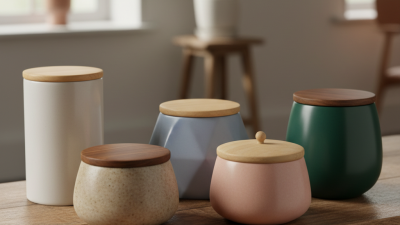
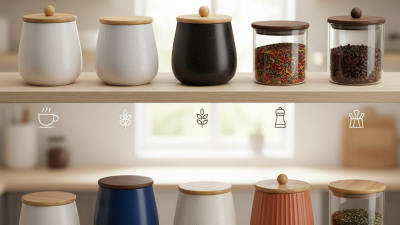
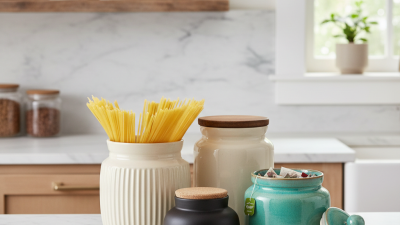
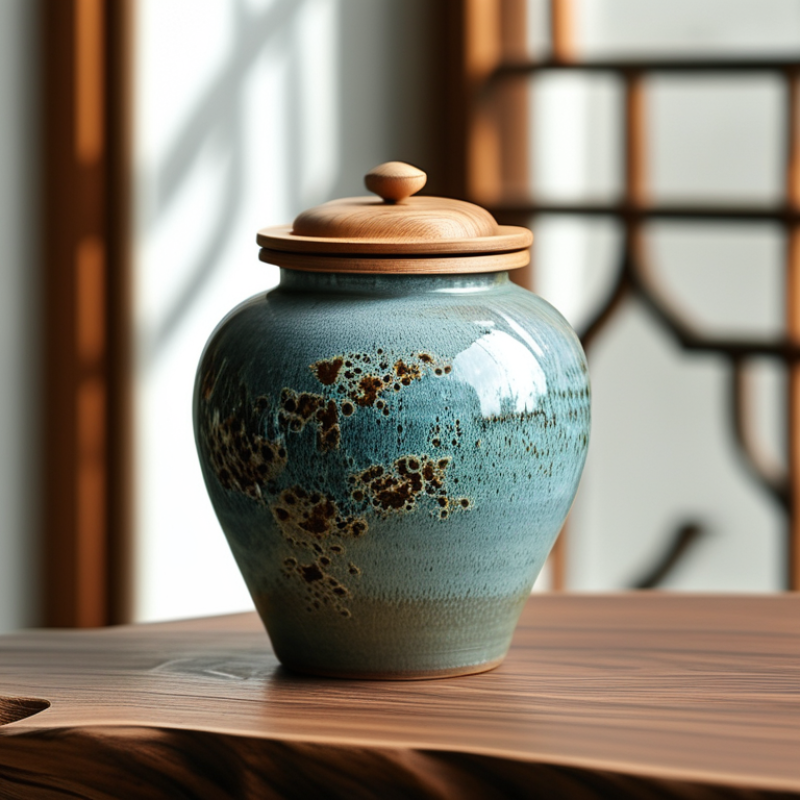
A ceramic jar with a wood lid combines a fired clay container with a natural wooden cover. It is commonly used for tea, coffee, spices, snacks, and bathroom accessories. The ceramic body offers a smooth, stable surface that resists daily stains and odors. The wood lid adds warmth and a tactile contrast. Many lids include a silicone ring for improved closure, although this does not always create an airtight seal.
From practical production experience, quality depends on more than appearance. The ceramic wall should feel balanced, with no sharp rim or visible pinholes. Glaze consistency matters, especially around the opening. The wood must be properly dried to reduce warping during seasonal humidity changes. Food-contact surfaces should be tested under applicable safety requirements. Small details matter. A slightly loose lid can affect freshness and user confidence. I still find that natural wood varies in color, so perfect visual uniformity is unrealistic.
Tips:
Check the jar’s capacity and opening size before purchase. Ask whether the lid uses a replaceable silicone gasket. Keep the wooden lid away from prolonged soaking and high heat. Wash the ceramic body gently, then dry it fully. For sensitive storage, test the seal before filling the jar.
Key Features of a Leading Chinese Ceramic Jar Manufacturer
China Top Ceramic Jar With Wood Lid Manufacturer
A leading Chinese ceramic jar manufacturer combines practical experience with disciplined production control. Skilled teams select dense clay for strength, smooth texture, and stable firing results. Each jar begins with a checked mold, not a rushed production order. The body is shaped, dried slowly, glazed, and fired under recorded kiln conditions. This process helps reduce warping, pinholes, and uneven surfaces.
Quality control continues after firing. Inspectors check the rim, base, glaze coverage, and lid fit by hand and with calibrated tools. Wooden lids are reviewed for grain direction, moisture stability, and safe contact with the jar opening. Samples can undergo drop, seal, and dimensional tests when the buyer requires them. Food-contact documentation should also match the destination market. Clear records make communication more reliable.
No factory gets every batch perfect. Minor glaze variation may still appear, especially with handmade-looking finishes. That detail deserves honest discussion before approval. A dependable manufacturer shares pre-production samples, confirms tolerances, and keeps lot records for later review. Protective packaging also matters, since a well-fired jar can still arrive damaged. Experienced teams test cartons with realistic handling conditions, although packaging improvements may be needed after the first shipment. Responsive problem solving often shows more professionalism than polished promises.
Materials and Manufacturing Process
China Top Ceramic Jar With Wood Lid Manufacturer
Materials and Manufacturing Process
A durable ceramic jar begins with a balanced clay body, usually containing kaolin, feldspar, and quartz. Each material affects strength, shrinkage, and firing behavior. Our production checks the slurry for consistency before forming. This reduces pinholes and uneven wall thickness. Still, natural clay can vary slightly between batches. That variation requires careful adjustment.
The jar is shaped by slip casting or mechanical forming, depending on its size and design. After drying slowly, each piece receives a bisque firing. Glaze is then applied by spraying or dipping. Final firing commonly reaches 1,180–1,280°C, creating a dense, smooth surface. Workers inspect the rim, base, glaze coverage, and internal finish by hand. Small color differences may remain. They are not always defects, but they should be documented.
The wood lid needs a compatible material. Beech, bamboo, or another stable hardwood can provide a warm contrast to ceramic. The wood is kiln-dried, cut, sanded, and treated with a suitable surface finish. Moisture content matters because swelling can weaken the fit. A silicone seal may improve closure, but its grade and application must be verified for the intended use. During assembly, technicians test the lid repeatedly for wobbling, odor, gaps, and pressure marks. One weakness remains: wood and ceramic respond differently to humidity. Careful tolerances help, but no handmade-looking surface is perfectly uniform.