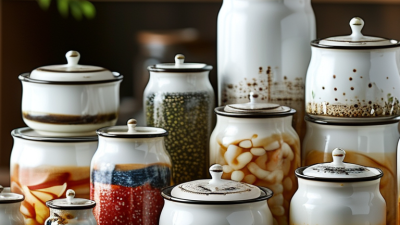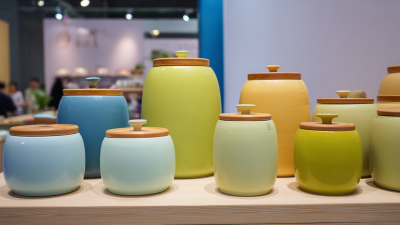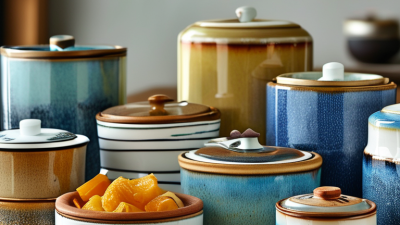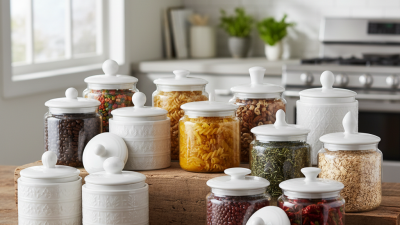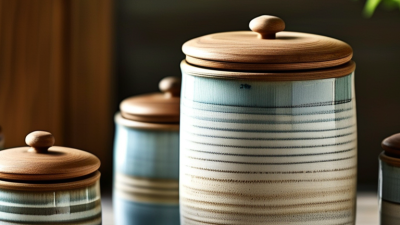


Choosing a Porcelain Food Storage Jar With Lid is not simply a matter of matching colors in your kitchen. The jar must protect dry ingredients, resist odors, and remain practical during daily use. A reliable choice begins with the porcelain body. Look for a smooth, dense surface without pinholes, rough patches, or uneven glazing. These small flaws can collect food residue and make cleaning less dependable.
Food microbiologist Donald W. Schaffner offers a useful principle: “Food safety is a shared responsibility.” That idea applies to storage containers too. A well-made jar cannot replace clean hands, fresh ingredients, or sensible storage habits. It can, however, reduce exposure to moisture, dust, and kitchen smells. Check whether the lid fits firmly, but do not assume a tight lid always creates an airtight seal. Some designs look secure while allowing air around the rim.
Practical experience matters here. Lift the jar before buying it. A heavy base feels stable beside a busy stove, while a narrow base may tip when filled with flour or sugar. Test the lid with one hand. Is it easy to remove? Will the seal crack after repeated washing? These details are easy to overlook.
Do not chase perfection.
Porcelain can chip. Lids can loosen. Hand-painted surfaces may need gentler care. Also, “dishwasher safe” does not always mean the decoration will remain unchanged. Compare capacity, weight, cleaning instructions, and replacement-lid availability. The best Porcelain Food Storage Jar With Lid is the one that fits your ingredients, habits, shelves, and honest expectations.
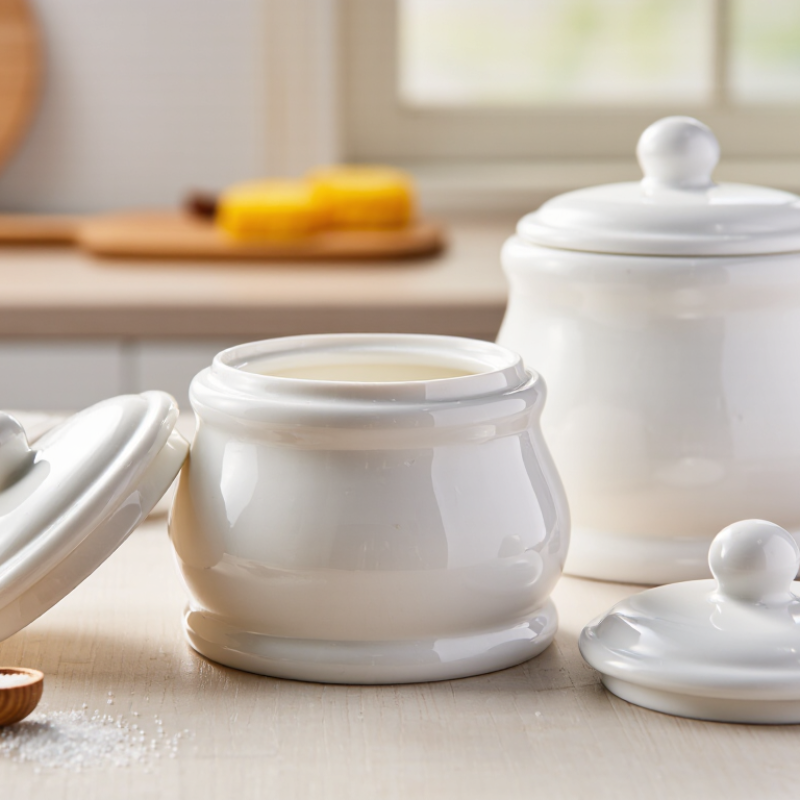
Define what you plan to store before choosing a porcelain food storage jar. Flour, coffee, tea, and dried beans need different capacities. A small jar suits daily tea leaves, while a larger one reduces refilling. Check whether the lid creates a reliable seal. A food-safe glaze should feel smooth, without cracks, rough edges, or strong odors. Porcelain resists stains well, but it can still chip after a hard impact.
Measure your kitchen space carefully. Record shelf width, depth, and vertical clearance. Leave room for your hand to lift the lid comfortably. A jar may fit on a counter but block a cabinet door. That detail is easy to miss. Use a cardboard container with the same dimensions as a practical test. Also consider weight. A full porcelain jar can become surprisingly heavy, especially on a narrow floating shelf.
Think about how often you will use the contents. A wide opening helps when you use a measuring cup, while a narrow opening limits spills. Check the lid’s grip and inspect any gasket for a close, even fit. Follow the care instructions before using a dishwasher or sudden temperature changes. I once chose a beautiful jar that was too tall for my upper cabinet. It looked right in the shop, but daily use felt awkward. A small measuring mistake changed the whole experience.
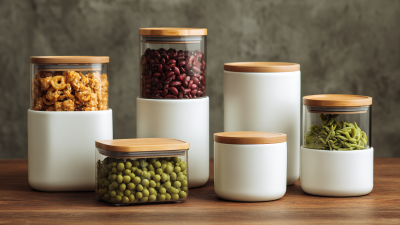
When choosing a porcelain food storage jar, inspect the surface under bright light. Quality porcelain should look dense, smooth, and evenly glazed. Tiny pinholes or rough patches can trap oil and food particles. Tap the jar gently. A clear, steady ring often suggests uniform firing, although sound alone cannot prove quality. I once trusted appearance too quickly and missed a weak rim beneath the lid.
Safety deserves closer attention. Select jars labeled for food contact, not decorative containers. Ask for documentation showing lead and cadmium migration testing, especially when the glaze is colorful or handmade. Standards differ by region, so check the seller’s compliance information before buying. The lid should fit firmly without forcing the porcelain. A food-grade silicone gasket can improve sealing, but it should remain odorless and easy to remove for cleaning. Never assume “natural” means safer.
Tips: Check the jar’s weight and rim for cracks. Read the care instructions carefully. Choose a wide opening for easier washing. Test the lid after placing a folded paper towel inside. If moisture enters, the seal may be unreliable. Avoid sudden temperature changes, such as moving a chilled jar directly into a hot oven. Durability is practical, not decorative. A slightly imperfect glaze may be harmless, but sharp edges, flaking, or repeated cracking are clear reasons to reject the jar.
How to Choose a Porcelain Food Storage Jar With Lid
Choose the size around your real eating habits, not an idealized pantry. A 500–750 ml jar suits coffee, grains, or daily snacks. Larger 1–2 litre jars work better for flour, rice, and dried beans. Measure shelf height first. I once chose a tall jar that looked elegant, but wasted valuable cabinet space. The U.S. Department of Agriculture estimates that 30–40% of the food supply is wasted. A well-sized jar can support portion control and reduce forgotten leftovers.
Shape also affects daily use. A wide opening makes scooping simple and cleaning less frustrating. A narrow body saves shelf width, but corners may trap powder. Choose porcelain with a smooth, non-porous interior. The FDA Food Code requires food-contact surfaces to be smooth, durable, and easily cleanable. Lid design deserves equal attention. A silicone-sealed lid helps protect dry foods from humidity and odors. A wooden or decorative lid may look attractive, but it needs careful washing and complete drying. Check the closure with one hand. If it feels awkward, it may become annoying quickly. Avoid sudden temperature changes, because porcelain can crack from thermal shock. My preference is a removable gasket. Still, even that choice needs inspection, since seals can collect crumbs. EPA food-waste reporting continues to emphasize prevention, making practical storage choices more valuable than decorative features alone.
Choose the jar size according to the amount of food you store most often. A wider opening is easier to fill and clean, while a straight-sided or square shape uses shelf space efficiently. Select a fitted lid with a silicone gasket for foods that need stronger protection from air and moisture.
How to read the chart: Small jars suit spices and tea, medium jars work well for grains and snacks, and larger jars are better for pasta, flour, and other bulk pantry foods. The approximate cup values use 1 US cup = 236.6 ml.
How to Choose a Porcelain Food Storage Jar With Lid
A porcelain jar looks refined, but its lid determines everyday performance. Press the lid gently and check whether the gasket touches evenly around the rim. An uneven seal can leave biscuits soft or allow strong food odors to escape. Look for a flexible, removable gasket without gaps, brittleness, or a chemical smell. The lid should close firmly without requiring excessive force. I once chose a beautiful jar with a loose lid, and spilled soup quickly changed my opinion.
Cleaning requirements matter more than decoration. Choose a jar with a smooth interior and a wide opening, especially for thick sauces or leftover rice. Narrow shoulders trap food and make sponge cleaning awkward. Remove the gasket regularly, then wash beneath it by hand. Food residue hides there. A dishwasher-safe lid may save time, but repeated heat can shorten gasket life. Check the maker’s care instructions instead of assuming all parts tolerate high temperatures. Porcelain can chip when dropped, even if it feels solid.
Tips: Test the jar empty before daily use. Open and close the lid several times. Store it on a reachable shelf, not behind taller containers. A comfortable grip, visible contents, and a stable base reduce small daily frustrations. Measure your refrigerator shelf first. This simple step is easy to forget. Also, avoid filling the jar completely; leave space for stirring and cleaner removal.
A porcelain food storage jar should earn its place through maintenance, not appearance alone. Check whether the lid, seal, and jar are dishwasher-safe. Confirm this in the product details, not only in promotional text.
The FDA Food Code 2022 emphasizes that food-contact surfaces should be smooth, durable, and easy to clean. Small details matter. A wide opening helps you remove sticky grains without scraping corners. A removable silicone seal also makes odor control easier.
Inspect the glaze for chips, crazing, or rough patches before buying. Porcelain is durable, but it is not indestructible.
Capacity should match your real kitchen habits. A 500- to 800-milliliter jar may suit coffee, oats, or dried beans, while larger jars can become awkward and heavy. Weight matters. UNEP’s Food Waste Index Report 2024 estimated that households wasted 631 million tonnes of food in 2022. Clear labeling and accessible storage may support better use, although one jar cannot solve waste by itself. That assumption needs checking in your own routine.
Evaluate value beyond the purchase price. Compare the lid’s replacement availability, seal quality, stacking safety, and resistance to staining. I once chose a beautiful jar with a narrow mouth, then avoided using it because cleaning was frustrating. That was poor judgment. A cheaper jar may cost more if its lid fails quickly or its parts cannot be replaced. Look for capacity, dimensions, material specifications, care instructions, and food-contact compliance. A useful jar should feel practical every morning, not merely impressive on a shelf.