2026 How to Choose the Best Kitchen Canisters for Storage?
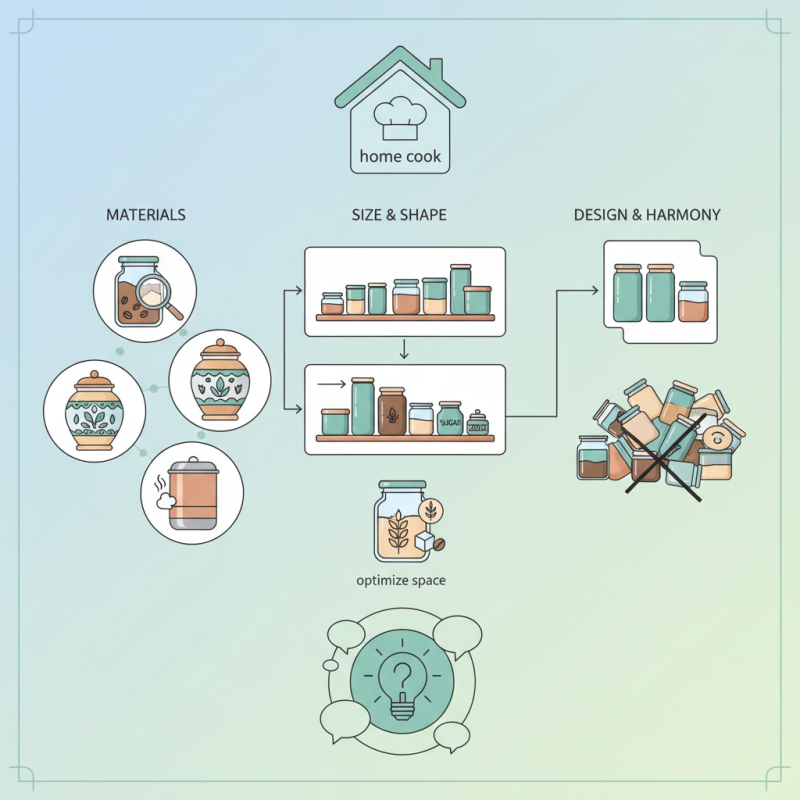
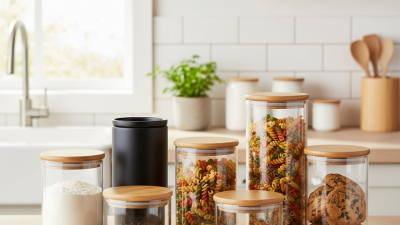
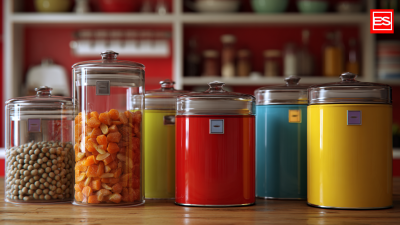
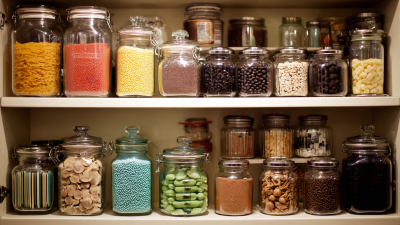
Choosing the right Kitchen Canisters is essential for any home cook. They not only offer practical storage solutions but also enhance your kitchen's aesthetic. When selecting Kitchen Canisters, consider the materials. Glass, ceramic, and metal options all have unique advantages. Glass canisters allow you to easily view contents, while ceramic often adds a decorative touch.
Moreover, size and shape are vital. Canisters that fit well on your countertop can optimize space. Ensure they are capable of storing various items like flour, sugar, or coffee beans. However, be cautious of the overall design. A mismatched set can disrupt your kitchen's harmony.
Reflecting on these factors can be daunting. The market offers numerous choices. This abundance can lead to impulsive decisions. It's important to take time and carefully evaluate your needs. Each Kitchen Canister should serve a purpose while fitting into your personal style.
Factors to Consider When Selecting Kitchen Canisters for Storage
When selecting kitchen canisters for storage, several factors deserve your attention. The material is crucial. Glass, ceramic, and stainless steel offer durability, while plastic can be lightweight but may not be as sturdy. Each material has its pros and cons. For example, glass provides visibility and is non-reactive, yet it can break easily.
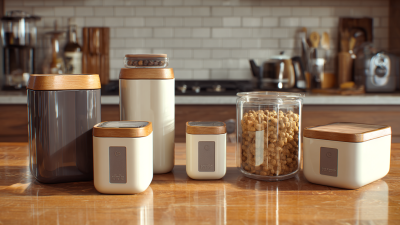
Size and shape also matter greatly. Consider your storage space. Tall, narrow canisters fit well in compact areas, while wider ones can hold more. Think about what you plan to store. Flour requires a larger container, but spices need smaller ones.
Look into the sealing mechanism. Airtight lids are vital for preserving freshness. Some canisters have silicone seals, while others use metal clamps. Reflect on ease of use; lids that are difficult to open can frustrate daily cooking. Lastly, personal style should not be overlooked. Choose designs that complement your kitchen decor. Balancing aesthetics with functionality can be a challenge. Ultimately, your kitchen canisters should not only store items but also enhance your cooking space.
Factors to Consider When Selecting Kitchen Canisters for Storage
Materials Used in Kitchen Canisters: Pros and Cons
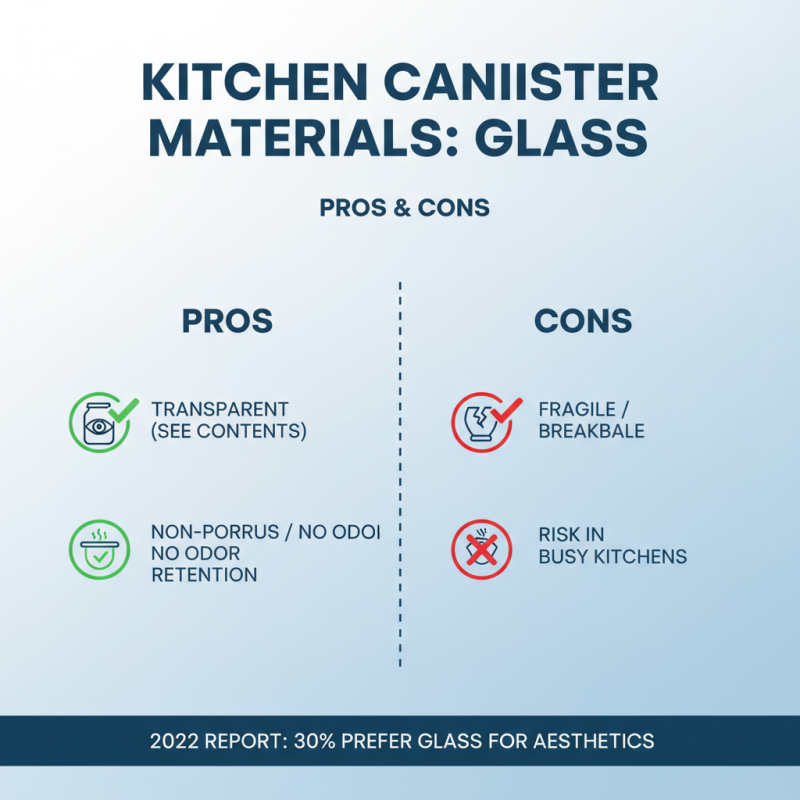
When selecting kitchen canisters, the material is crucial. Common options include glass, plastic, and stainless steel. Glass canisters offer transparency, making it easy to see contents. They are non-porous and do not retain odors. However, glass is fragile and can break easily, posing a risk in busy kitchens. According to a 2022 industry report, about 30% of homeowners prefer glass for its aesthetic appeal.
Plastic canisters, on the other hand, are lightweight and less costly. They come in various shapes and sizes, making them versatile for storage. Yet, not all plastics are safe for food storage. Some can leach chemicals over time. About 40% of consumers expressed concerns over the safety of plastic, particularly concerning BPA. Stainless steel is another option, known for durability and resistance to rust. However, it can be more expensive and lacks transparency. A study indicated that almost 25% of kitchen storage solutions are now being made from stainless steel.
Choosing the right material involves weighing the pros and cons. Recognize that each material has its drawbacks and advantages. For instance, while plastic is lightweight, it may not be suitable for long-term storage of dry goods. Understanding material properties helps in making informed choices. Reflect on what fits best in your kitchen context.
Size and Capacity: Finding the Right Fit for Your Kitchen Needs
Choosing the right size and capacity for kitchen canisters is crucial. Consider what you plan to store.
Dry goods, like flour or sugar, need larger canisters. Spices often require smaller, more compact containers.
Visualize your kitchen layout. Knowing your counter space can guide your choices.
Measuring capacity is important. Some canisters hold more than others. For example,
you might need a 2-quart canister for pasta. Smaller items, like tea bags, may only require a 1-quart option.
Don't forget about height. Tall canisters fit in cabinets but may not work well on smaller counters.
Reflect on your cooking habits. Do you buy in bulk? If so, larger canisters might suit your needs better. Also, think about accessibility.
Smaller canisters are easier to reach. Balancing size and capacity can be challenging. You may end up with a mix of sizes to meet different needs.
This trial-and-error approach helps ensure your canisters suit your kitchen perfectly.
Design and Aesthetic: Matching Canisters with Your Kitchen Decor
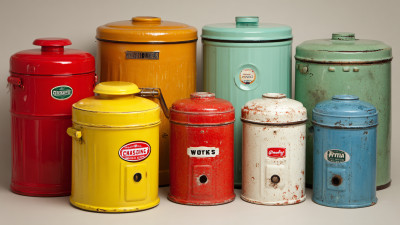
When choosing kitchen canisters, aligning their design with your kitchen decor is crucial. The right canisters can enhance the overall aesthetic. Consider your kitchen's color scheme. If your space features earthy tones, go for canisters in muted hues or natural materials like wood or ceramic. White, bright canisters can add a pop of freshness to darker cabinets.
Here are some tips:
- Look for shapes that complement your kitchen layout. Round canisters can soften sharp angles, while square ones offer a sleek look.
- Match the finish of your canisters with your kitchen hardware. For example, stainless steel canisters work well with modern appliances.
It’s also worthwhile to reflect on the size and functionality. Overly large canisters may take up precious counter space. Smaller ones can easily be misplaced or forgotten. Ensure they’re practical for daily use while still being appealing. Finding that balance can be a challenge, but the effort is often rewarding.
2026 How to Choose the Best Kitchen Canisters for Storage?
| Canister Type |
Material |
Capacity (Liters) |
Best For |
Design Style |
| Glass Canister |
Glass |
1.0 |
Dry Goods |
Modern |
| Ceramic Canister |
Ceramic |
1.5 |
Coffee & Tea |
Rustic |
| Stainless Steel Canister |
Stainless Steel |
2.0 |
Sugar & Flour |
Contemporary |
| Bamboo Canister |
Bamboo |
1.2 |
Spices |
Eco-Friendly |
| Plastic Canister |
Plastic |
0.8 |
Snacks |
Casual |
Maintenance and Cleaning Tips for Kitchen Canisters
Maintaining kitchen canisters is essential for longevity and functionality. Regular cleaning helps prevent mold and bacteria. According to a report by the Food Safety Institute, improper storage can lead to contamination. Frequent use can result in residue build-up. Choosing the right cleaner is vital. A blend of warm soapy water and vinegar effectively sanitizes surfaces.
When storing dry goods, consider using glass canisters. These are non-porous and easier to clean than plastic. A study from the National Sanitation Foundation shows that glass surfaces hold fewer bacteria compared to plastic ones. Inspect canisters periodically for cracks. Even minor damage can harbor bacteria. It's recommended to clean canisters every few months to maintain hygiene.
Several users neglect the importance of drying canisters thoroughly after cleaning. Moisture creates an environment for mildew. Using a soft cloth can help avoid scratches. Also, remember to avoid stacking canisters as this can cause chips. Reflecting on cleaning routines may reveal flaws. Always prioritize safety to ensure a healthy kitchen environment.