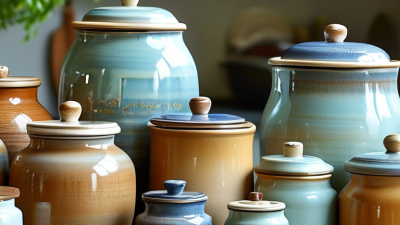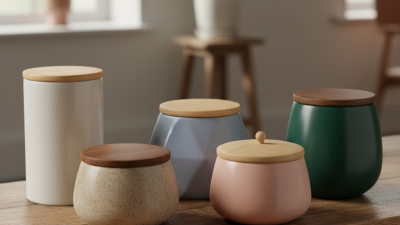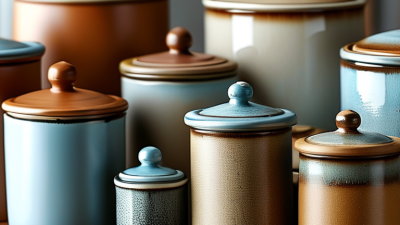


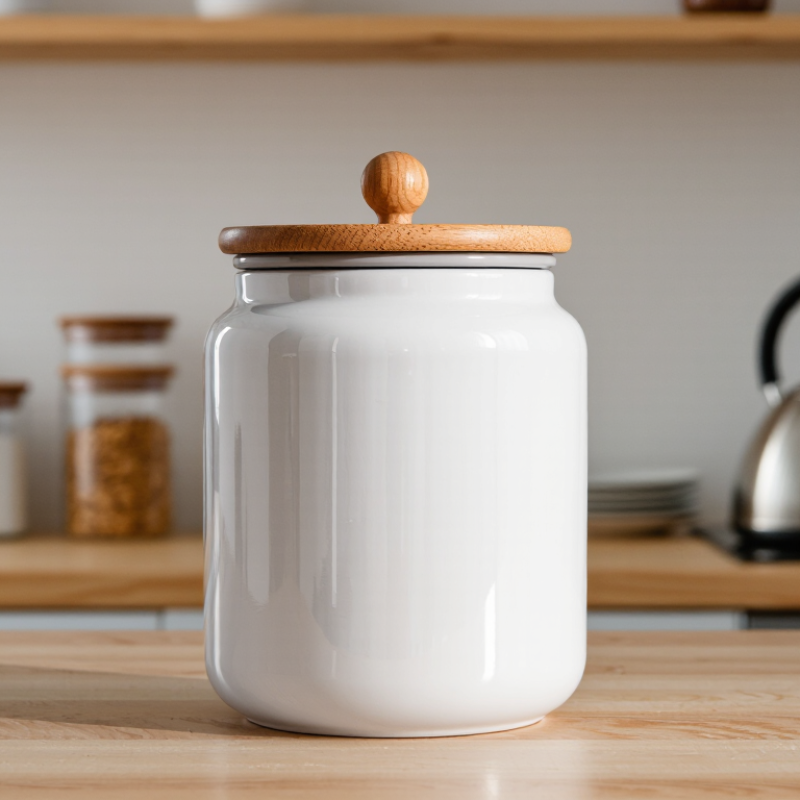
A Ceramic Jar With Wood Lid can bring warmth and order to a kitchen shelf, but appearance is only part of the decision. The right choice depends on what you plan to store, how often you use it, and how much care the materials need. A wide opening makes scooping easier. A stable base helps prevent spills. The lid should sit evenly, without rocking or forcing.
Check the ceramic body for a smooth, intact glaze and clear care instructions. If the jar will hold food, look for the maker’s guidance on food contact and cleaning rather than assuming every decorative finish is suitable. Wood lids vary, too. Some include a silicone ring for a closer fit; others are simple covers that help keep out dust but may not seal tightly. That distinction matters for coffee, tea, and dry ingredients.
Size deserves a little thought. A jar that looks generous online may feel cramped beside a kettle or too small for a full bag of sugar. Measure your shelf and compare the listed capacity before buying. Consider whether the lid can be lifted comfortably with one hand. Small detail. Real difference.
Product photos can hide uneven finishes, awkward rims, or lids that need careful hand-washing. Reviews and manufacturer specifications can help, though neither guarantees a perfect match for your kitchen. No single jar suits every routine. A practical choice balances capacity, lid fit, cleaning needs, and the look you genuinely enjoy seeing each day.
A ceramic jar with a wood lid combines a hard, washable vessel with a warmer natural accent. The ceramic body feels steady on a counter and does not absorb food odors easily when properly glazed. The lid softens the look, making the jar suitable for open shelves as well as everyday storage. But appearance is only part of its purpose.
Think about what you plan to keep inside. A jar holding tea bags, wrapped sweets, or cotton pads may work well with a simple wooden cover. For coffee, spices, or other items that lose freshness quickly, check whether the lid has a fitted seal. Wood alone is not automatically airtight. That small detail matters. A loose lid can let moisture or kitchen smells in, even when the jar looks carefully made.
Look closely at the rim and how the lid rests on it. A smooth, even edge helps the cover sit securely, while a very heavy lid may feel awkward to lift often. Glaze should appear consistent, without sharp chips around the opening. In daily use, keep the wooden lid dry and wipe it with a lightly damp cloth rather than soaking it. Ceramic can chip if knocked against a hard sink; I would not treat it as indestructible. A little imperfect variation in the glaze may add character, though it can also make matching pieces harder. Choose the jar for its storage job first, then decide whether its shape and finish suit your space.
Ceramic type affects weight, durability, and how a jar handles daily use. Stoneware feels substantial and usually suits frequent handling. Porcelain is often lighter, with a smooth, refined surface. Earthenware can be more porous, so check that its glaze fully covers the interior. Small details matter. A tiny unglazed patch may absorb moisture or odors over time.
Finishes change both appearance and upkeep. Glossy glaze wipes clean easily, but fingerprints and water spots can show. Matte glaze offers a softer look, though oily marks may take more effort to remove. Run a finger around the rim and inspect the inside for rough spots or glaze gaps. I would not choose by appearance alone; a beautiful finish can be fussy in a busy kitchen.
The lid material matters just as much. Bamboo is light, while beech and other hardwoods often feel denser and show distinct grain. Wood can vary in color and may change slightly with use. Look for a snug fit and a replaceable silicone gasket if you need a tighter seal; a wooden lid alone is not reliably airtight. Keep the lid out of the dishwasher, and dry it promptly after cleaning. A jar intended for dry tea or sugar may not need the same seal as one used near a steamy stove.
Choose a ceramic jar by what it will hold, not just how it looks on a shelf. A small jar suits cotton pads, tea bags, or a handful of clips. For coffee, flour, or snacks, allow room for a scoop and space to reach inside. A wide opening makes daily use easier, while a tall, narrow shape may fit a tight counter. Check the listed capacity, but remember that usable space is often less than the jar’s full volume.
Tips: Measure the shelf or countertop first. Check the opening width against your scoop or hand. If storing food, look for clear guidance that the jar and its finish are food-safe.
The lid should sit evenly without rocking or leaving visible gaps. Wood lids often provide a simple cover, but they may not seal as tightly as a gasketed lid. That matters for ingredients that lose freshness when exposed to air or humidity. Feel the rim for chips and check that the lid lifts without scraping. A slightly loose fit can be frustrating; a very snug lid may also be awkward with damp hands. Wood can respond to moisture, so wipe it clean rather than soaking it. One small trade-off: a beautiful lid is not always the most practical one.
Match Jar Size and Lid Fit to Its Intended Use
How to use this guide: The bars show the midpoint of practical example capacity ranges, not a product standard: spices and herbs 100–200 mL, tea or sugar 250–500 mL, snacks 500–750 mL, and pantry staples 750–1,500 mL. Choose based on how much you plan to store. For lid fit, compare the jar’s rim with the lid’s inner dimensions and check that any sealing surface or gasket sits evenly.
A ceramic jar can look refined on a shelf, but craftsmanship shows in the details you touch. Run a finger around the rim: it should feel smooth, without sharp spots or rough chips. Check that the base sits flat on a counter and the lid rests evenly. A faint wobble counts. Look for pinholes, hairline cracks, or uneven glaze near the inside surface. These may be signs of poor finishing, though appearance alone cannot confirm quality.
Food safety deserves more than a pretty glaze. Choose a jar whose maker clearly states that its ceramic surface is intended for food storage. Avoid using one with a cracked interior or damaged glaze, since cleaning becomes less reliable. The wood lid should also be described as suitable for food-contact use. If you plan to store coffee, tea, or dry snacks, remember that a wooden lid may not create an airtight seal. Check for a gasket if freshness matters.
Care instructions can reveal whether a jar suits your routine. Ceramic bodies may tolerate gentle washing, but wood usually needs a damp cloth and prompt drying. Don’t leave the lid soaking beside the sink. Check whether the jar is dishwasher-safe rather than guessing; heat and repeated moisture can affect wood. Not every jar is perfect. A slightly imperfect glaze may be harmless, but damage and unclear care guidance are reasons to pause.
| Evaluation Dimension | What to Look For | Why It Matters | Practical Check |
|---|---|---|---|
| Ceramic body | Even walls, a stable base, and no visible cracks, chips, or sharp edges. | Consistent construction helps the jar sit securely and withstand normal handling. | Set it on a flat surface and gently inspect the rim, base, and body under good light. |
| Glaze and finish | A smooth, intact glaze on surfaces intended to contact food, without pinholes, flaking, or crazing. | A damaged or unsuitable food-contact surface can be harder to clean and may not be appropriate for food storage. | Check the product information for its stated food-use suitability; avoid using pieces with damaged glaze. |
| Food-contact safety | Clear confirmation that the ceramic is intended for food contact and complies with applicable local requirements. | Some ceramic glazes may release lead or cadmium if improperly formulated or fired. Safety depends on the finished item, not appearance alone. | Ask for relevant compliance or leaching-test information. In the United States, FDA rules address lead and cadmium leaching from ceramicware. |
| Lid fit | A lid that sits evenly and is easy to remove without forcing it against the ceramic rim. | A well-fitting lid helps protect contents from dust and makes everyday use more convenient. | Check that the lid does not wobble excessively and that the rim has no chips or rough spots. |
| Seal and storage | A clearly described gasket or sealing feature if a tighter closure is needed. | A wooden lid alone is not necessarily airtight or leakproof; the jar should not be assumed suitable for liquids or moisture-sensitive storage. | Look for specific airtightness claims and instructions. Store dry goods only when the jar and closure are designed for that use. |
| Wood quality | A smooth, well-finished lid with no splinters, cracks, or strong persistent odor. | Wood can absorb moisture and may warp or deteriorate if soaked or exposed to prolonged dampness. | Check whether the wood is sealed and follow the maker’s instructions for cleaning and care. |
| Ease of cleaning | Care instructions that distinguish between the ceramic jar, wooden lid, and any removable gasket. | Ceramic may be dishwasher-safe while wood or seals may require handwashing; the whole product should not be assumed dishwasher-safe. | Confirm care guidance before purchase. When instructions are unavailable, hand-wash the lid and dry it promptly. |
| Microwave and oven use | Explicit guidance for the ceramic body, with the wooden lid removed unless the maker specifically says otherwise. | Wooden components are generally not suitable for microwave or oven use, and ceramic thermal-shock resistance varies. | Do not heat the jar unless its instructions confirm the intended use; avoid sudden temperature changes. |
| Capacity and opening | A stated usable capacity and an opening wide enough for the intended contents and cleaning tools. | The right dimensions make filling, scooping, and cleaning easier. | Compare the listed capacity and mouth diameter with the items you plan to store. |
| Overall choice | Prioritize verified food-contact suitability, sound workmanship, a functional lid, and realistic care requirements. | The best option is the one that fits the intended contents and can be maintained safely over time. | For everyday dry-food storage, choose a cleanable ceramic interior and a lid with clear care instructions; do not treat a non-sealed lid as airtight. |
A ceramic jar with a wood lid should feel substantial without being awkward to lift. Check the rim for an even finish and the glaze for pinholes, rough patches, or hairline cracks. These flaws can trap residue or make cleaning harder. Small details matter. A snug lid should sit flat, but it should not be mistaken for an airtight seal unless the maker has tested it.
Compare evidence, not just sales claims. ASTM C373 measures water absorption in fired ceramic products; ask whether the supplier can share a test result for the jar’s ceramic body. ASTM C368 evaluates the impact resistance of ceramic tableware, which can help you judge chipping risk. These methods do not guarantee that a jar will survive every fall. Still, test records offer more useful evidence than words like “premium” or “durable.” A beautiful glaze can chip. That part is easy to overlook.
Price the whole item, not only the ceramic base. A poorly fitted wood lid may warp, loosen, or need replacing before the jar does. Check the wood finish, fit, care instructions, and availability of replacement lids. For everyday use, a slightly heavier jar with a smooth, stable base may justify a higher price. Yet paying more is no guarantee of better quality; inspect the finish and ask for specific test information before deciding.