Top Quality Ceramic Mugs for Global Buyers to Explore?
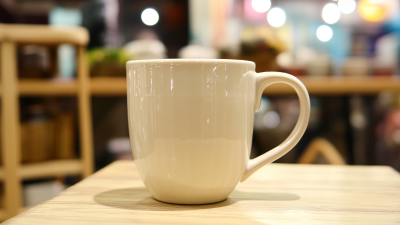
Ceramic mugs have become a staple in homes and offices worldwide. Their appeal lies not only in their functionality but also in their artistic designs. Each mug can tell a story through its unique patterns and colors. Buyers today seek top-quality ceramic mugs that offer durability and aesthetic appeal.
In a crowded market, distinguishing between ordinary and premium ceramic mugs is essential. Quality is often reflected in the materials and craftsmanship. Authentic ceramic mugs are typically handmade, showcasing the skill and creativity of artisans. However, with so many options, it can be overwhelming for buyers to make informed choices.
As consumers, we may prioritize style over practicality at times. A beautiful ceramic mug might break easily or fail to retain heat. It is worth reflecting on what truly matters. The right ceramic mug should enhance the drinking experience while being both striking and sturdy. Exploring various options can lead to a perfect fit for diverse preferences.
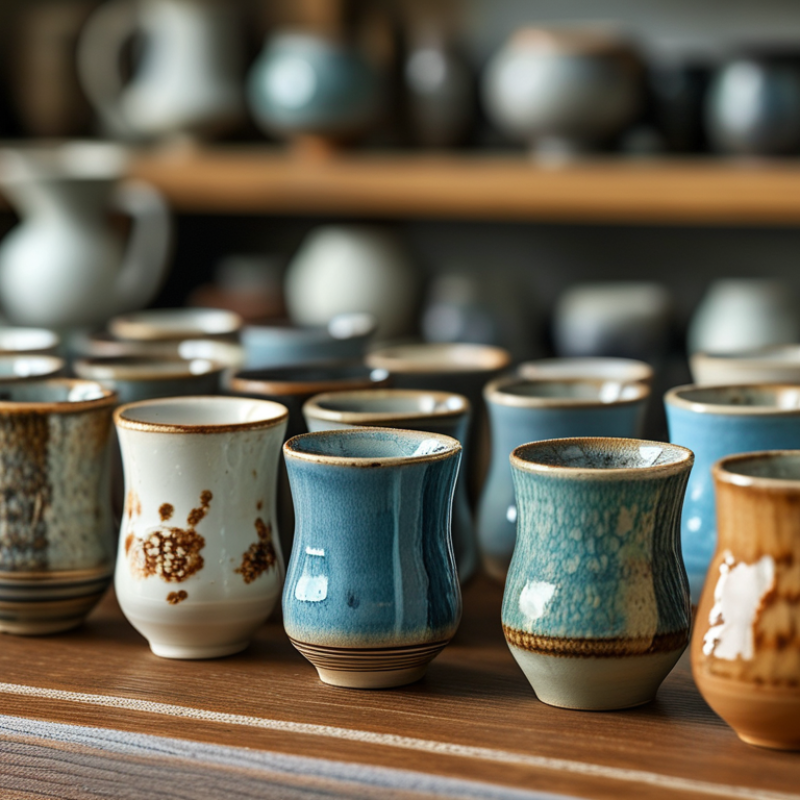
Exploring the Characteristics of High-Quality Ceramic Mugs
When exploring high-quality ceramic mugs, several characteristics stand out. The best ceramic mugs combine durability, aesthetics, and functionality. According to a report by the International Ceramics Association, around 30% of consumers consider material quality as a key factor in their purchase decisions. Different clay types play a significant role in strength and texture, impacting the overall drinking experience.
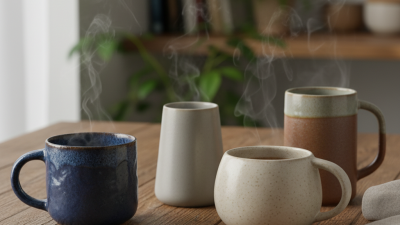
A well-crafted ceramic mug typically features a smooth, even glaze that enhances its beauty and provides a non-porous surface. High-temperature firing processes lead to enhanced strength, as highlighted by industry studies indicating that sturdier mugs can last up to 50% longer than their counterparts. Additionally, some mugs are designed to retain heat better, making your favorite beverage enjoyable for a longer period.
**Tip:** Always check for lead-free labels when purchasing ceramic mugs, as safety is crucial for health-conscious consumers. Also, consider the weight of the mug; a heavier mug can often indicate high-quality materials and craftsmanship.
In the world of ceramics, imperfections can arise during the production process. Occasionally, slight air bubbles or uneven glazing may occur, which can impact aesthetics. Buyers should reflect on these factors to ensure their choices align with their expectations and standards. Balancing quality with unique design features often results in the best ceramic mugs for everyday use.
Top Quality Ceramic Mugs for Global Buyers to Explore
| Characteristic |
Description |
Average Price per Unit |
Durability Rating (1-5) |
Capacity (ml) |
| Material Quality |
High-fired stoneware for enhanced strength |
$8.50 |
4 |
350 |
| Finish Type |
Glossy glaze finish for easy cleaning |
$9.00 |
5 |
400 |
| Design Variety |
Available in various colors and patterns |
$10.00 |
4 |
300 |
| Heat Retention |
Excellent heat retention for hot beverages |
$8.75 |
5 |
450 |
| Microwave Safe |
Safe to use in microwave without cracking |
$9.50 |
4 |
500 |
Top Factors to Consider When Choosing Ceramic Mugs for Purchase
When selecting ceramic mugs, there are several essential factors to bear in mind. Start by considering the material quality. High-quality ceramics provide better durability and heat retention. Look for options that are lead-free and safe for food use. This ensures not just longevity, but safety in daily use.
Design is another critical aspect. Aesthetic appeal can vary widely. Choose mugs that fit your style, whether modern or classic. The handle's comfort is often overlooked. An ergonomic handle can significantly enhance your drinking experience. Ensure it fits well in your hand and provides a secure grip.
Next, think about the mug's size and capacity. Larger mugs are great for more substantial drinks like lattes, while smaller ones work for espresso. However, size can affect your drink's cooling rate. A mug that is too big may allow your coffee to cool too quickly. Lastly, read reviews and consider user experiences. Real feedback can reveal potential flaws that manufacturers may not disclose.
Popular Ceramic Mug Designs and Their Cultural Significance
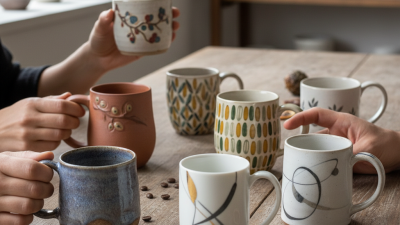
Ceramic mugs come in various designs, reflecting the rich cultures they originate from. Each design tells a story, connecting people across the globe. For example, traditional Japanese mugs often feature serene landscapes and delicate cherry blossoms. These motifs symbolize harmony and tranquility, mirroring the mindfulness inherent in Japanese culture.
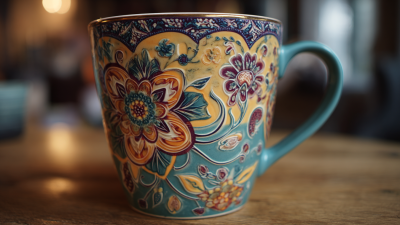
In contrast, Mexican ceramic mugs boast vibrant colors and intricate patterns. They celebrate the spirit of fiestas and community gatherings. This lively artistry invites not just usage but appreciation. Yet, not all designs resonate universally. Some motifs may hold meanings that are lost in translation. It’s essential to approach cultural expressions with sensitivity and an open mind.
When choosing a ceramic mug, consider its design and the stories it carries. Engaging with these art forms enriches our understanding of diverse cultures. Each mug can be a conversation starter, inviting reflection on its origins and significance. Exploring these mugs fosters deeper connections, but also challenges us to grasp their complexities.
Top Quality Ceramic Mugs Popularity by Design Style
Sourcing High-Quality Ceramic Mugs from Global Manufacturers
Sourcing high-quality ceramic mugs from global manufacturers can be a rewarding experience. Buyers often seek
aesthetics, durability, and functionality in their selections. However, choosing
the right supplier is crucial to ensuring these standards. Take the time to investigate various
manufacturers, their production processes, and their commitment to quality.
It is essential to consider the origin of the ceramic materials. Some regions produce
high-quality clay that results in better finished products. However, not every manufacturer can
guarantee consistency. You might encounter variations in color and texture, which can be concerning. Read
reviews, and connect with other buyers who have experience with specific suppliers. Understanding these nuances can prevent future disappointments.
Also, be aware of potential communication barriers. Sometimes, language differences can lead to
misunderstandings about orders and specifications. It’s vital to provide clear instructions and ask questions whenever needed. Remember, not every
order will meet your expectations the first time. A little patience and persistence can yield excellent results in the long run.
Sustainability Practices in Ceramic Mug Production and Purchasing
Ceramic mug production is evolving to embrace sustainability. Many manufacturers are implementing eco-friendly practices to meet consumer demand. According to a report by the World Ceramic Association, over 70% of ceramic producers are now focusing on reducing waste. This shift reflects a broader trend in the market, as buyers increasingly prioritize sustainable options.
Materials sourcing plays a crucial role in this transformation. Responsible suppliers are opting for natural clays and non-toxic glazes. A study from the Environmental Protection Agency notes that ceramic production can significantly reduce carbon footprints through such practices. However, challenges remain. The transition can involve higher initial costs, and not all manufacturers prioritize sustainability uniformly.
Purchasing decisions matter too. Consumers can support greener practices by choosing mugs from companies with eco-certifications. Awareness of a product's lifecycle, from raw material extraction to end-of-life disposal, is essential. Though many brands tout sustainability, transparency is key. There remains a need for more accessible data about the environmental impact of ceramic mugs.