Top Ceramic Mug Designs for Global Buyers to Consider?
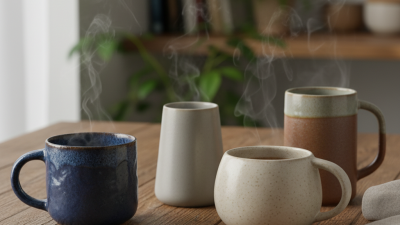
When it comes to choosing the perfect ceramic mug, global buyers face many options. Expert artisan Anna Fischer says, "A ceramic mug should not just hold your coffee; it should tell a story." This perspective emphasizes the blend of functionality and artistry in ceramic designs.
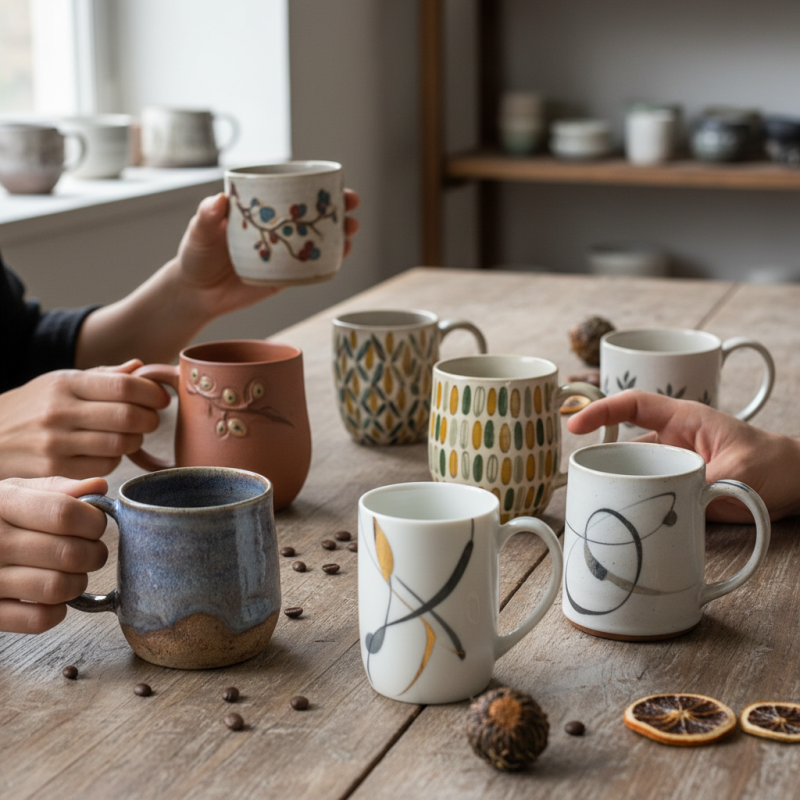
The market is teeming with diverse styles, colors, and themes. Buyers must balance aesthetics with quality. Some designs are trendy, while others reflect traditional craftsmanship. However, not every beautiful mug is practical or durable. Observing various designs helps in making informed decisions.
Consumers often overlook how a ceramic mug feels in hand. Subtle variations in weight and texture can enhance the drinking experience. Carefully considering these factors leads to better choices. Global buyers need to navigate both trends and enduring styles. Finding that perfect ceramic mug is an art in itself. It's a journey that calls for reflection and understanding.
Popular Ceramic Mug Styles Around the World
Ceramic mugs have become a favored choice for many around the globe. Their designs reflect local cultures and artistic traditions. In Japan, for example, minimalist aesthetics dominate. The unglazed clay offers a natural feel, enhancing the drinking experience. Each piece often features subtle glazes or hand-painted patterns, celebrating Japanese craftsmanship.
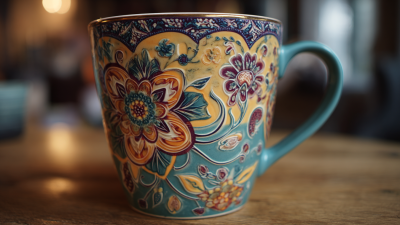
In contrast, Mexican ceramic mugs burst with vibrant colors and intricate designs. Talavera ceramics showcase bright blues, yellows, and reds, adding a festive touch to any kitchen. These mugs often tell a story through their designs, connecting buyers to rich cultural heritage.
However, the challenge lies in finding the right style that resonates personally. Not everyone appreciates every design. Some may feel overwhelmed by the vast array of options. It’s essential to explore and reflect on what each mug represents personally and culturally. Choosing a ceramic mug should be more than just a purchase; it should connect to your identity or values.
Top Ceramic Mug Designs for Global Buyers to Consider
| Design Style |
Region |
Primary Material |
Color Variants |
Unique Feature |
| Japanese Ramen Mug |
Japan |
Porcelain |
White, Blue, Red |
Deep bowl shape |
| Classic Irish Stoneware |
Ireland |
Stoneware |
Green, Brown |
Hand-painted designs |
| Moroccan Tea Mug |
Morocco |
Ceramic |
Blue, Gold, White |
Intricate mosaic patterns |
| Dutch Delftware Mug |
Netherlands |
Earthenware |
Blue, White |
Floral designs |
| Rustic American Camp Mug |
USA |
Enamel-coated steel |
Red, White, Black |
Lightweight and durable |
Unique Cultural Influences in Ceramic Mug Designs
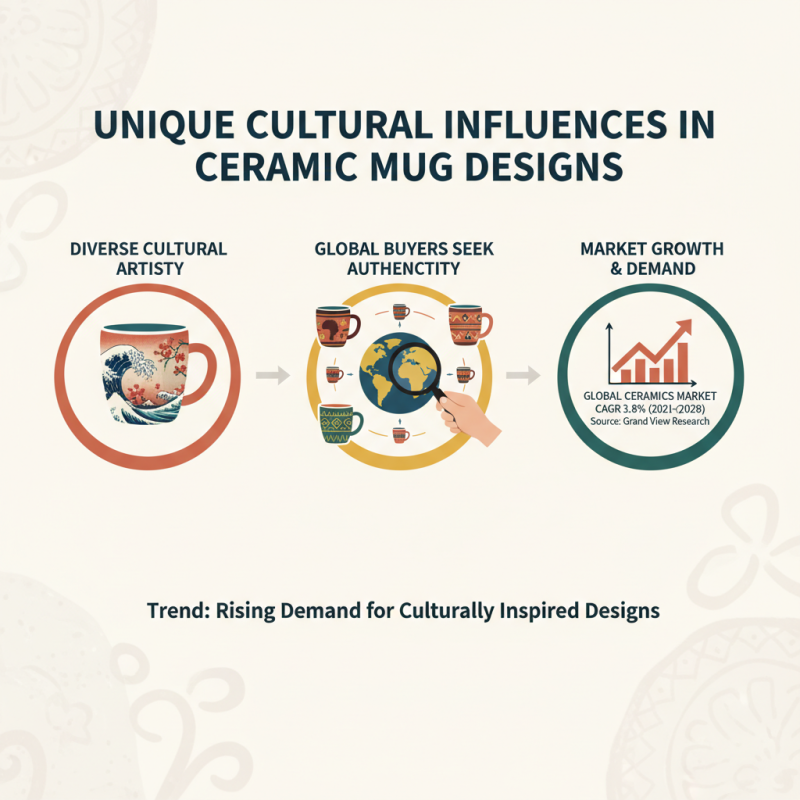
Ceramic mugs showcase diverse cultural influences, making them a unique product. Global buyers increasingly seek authentic designs that reflect regional artistry. A recent report by Grand View Research states that the global ceramics market is expected to grow at a compound annual growth rate of 3.8% from 2021 to 2028. This trend highlights the rising demand for culturally inspired designs.
In Japan, for example, traditional wabi-sabi aesthetics emphasize imperfection and natural beauty. Mugs crafted in this style often feature earthy tones and asymmetrical shapes. Similarly, Mexican pottery displays vibrant colors and intricate patterns, rooted in indigenous culture. These designs not only appeal visually but also tell profound stories, enhancing their value.
Yet, not all cultural representations in ceramic designs succeed. Some products may misinterpret or oversimplify cultural elements. This can lead to consumer dissonance and ethical concerns. Global buyers should keenly assess these nuances to ensure respect for the culture they admire. By doing so, they foster authenticity in their collections while supporting artisans worldwide.
Sustainable Materials Used in Modern Ceramic Mugs
In recent years, the shift towards sustainable materials has transformed the ceramic mug industry. Many modern designers focus on eco-friendly options that appeal to conscious consumers. Options such as recycled clay and natural glazes have gained traction. These materials minimize waste and reduce environmental impact. A well-crafted ceramic mug made from sustainable components can be both functional and aesthetically pleasing.
Not every design achieves this balance. Some mugs may look appealing but use harmful materials in their production. It's essential for buyers to research the materials used in their chosen mug designs. Consumers should aim to support artisans who prioritize sustainability. Purchasing from local sources often reduces carbon footprints too. A connection to the creator can enhance the drinking experience and foster a sense of community.
As trends evolve, so does the demand for transparency in sourcing. Not all manufacturers adhere to sustainable practices. Thus, it's vital for buyers to educate themselves. They can inquire about the production processes. Mugs made from organic materials, such as clay sourced from local regions, offer uniqueness. Each piece tells a story, merging artistry with environmental consciousness. Choosing wisely contributes to a sustainable future and elevates everyday rituals.
Top Ceramic Mug Designs for Global Buyers to Consider
Trendy Color Palettes and Patterns for Today’s Mugs
Ceramic mugs are not just practical; they are also a canvas for creativity. Today’s buyers are looking for unique designs that resonate with their lifestyles. Trendy color palettes profoundly impact buying decisions. In a recent industry report, 65% of consumers indicated that color influences their mug choice. Soft pastels and earthy tones are currently popular. These colors evoke feelings of calm. They also create a connection to nature, making mugs more appealing.
Patterns are equally essential. Geometric shapes and abstract designs attract a wide range of buyers. According to market research, 47% of consumers prefer mugs with distinctive patterns. These patterns often tell a story or convey a message. However, not every pattern suits every buyer. A striking design may not appeal to someone seeking simplicity. This gap presents a challenge in catering to diverse preferences.
Tips for choosing the right mug: Consider the occasion. A mug for daily use might differ from one for special events. Pay attention to texture and finish; these details can enhance experience. Remember, a well-designed mug offers more than utility. It reflects personal style and taste, making it an essential item for every kitchen.
Customization and Personalization Trends in Ceramic Mugs
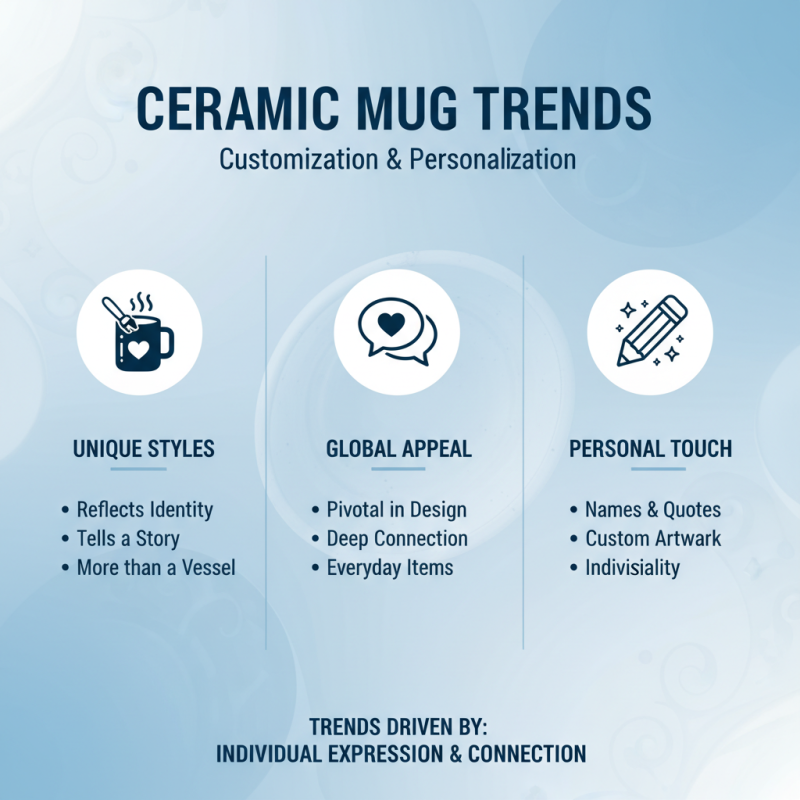
In recent years, customization and personalization have become pivotal in ceramic mug design. Global buyers seek unique styles that reflect their identities. This trend resonates deeply with buyers who value connection through everyday items. Personalized mugs can feature names, quotes, or even custom artwork. Each design tells a story, making the mug more than just a vessel.
However, achieving the perfect balance between creativity and functionality can be challenging. Many consumers expect high-quality prints that withstand daily use. Yet, some personalized designs may not hold up over time. This raises questions about durability versus aesthetics. Buyers should consider practical aspects while pursuing unique designs.
Additionally, trends often shift rapidly, creating a cycle of pressure on manufacturers. They need to stay ahead of buyer preferences while managing costs. Mugs adorned with intricate details might attract attention but can be less versatile. It’s essential for buyers to reflect on their choices. Simple, clean designs may offer more lasting appeal. Balancing personal expression with practicality remains a nuanced, ongoing conversation in the world of ceramic mugs.