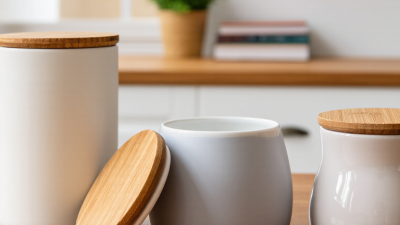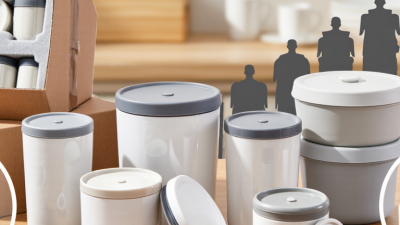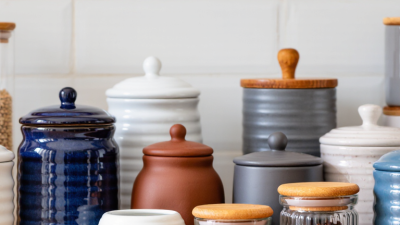




Bulk buyers need more than attractive kitchenware. They need ceramic jars that protect contents, work well in daily use, and arrive with dependable consistency across an order. A Ceramic Storage With Lid option may suit cafés, specialty retailers, food businesses, or hospitality suppliers, but the right choice depends on its intended use.
This guide introduces seven ceramic storage jars with lids and highlights practical points to compare before purchasing. Consider capacity, opening width, lid fit, surface finish, and how easily each jar can be cleaned. A wide opening can make scooping simpler, while a snug lid may help limit exposure to air and moisture. Still, ceramic jars are not automatically airtight. Buyers should check product specifications and ask suppliers how lids fit, especially when contents need more protection.
Bulk purchasing adds a few more details. Review carton quantities, available colors, replacement options, and sample policies before committing to a large order. If jars will be displayed together, compare dimensions and finishes; small variations can be noticeable on a shelf. Details matter. A lower unit price may not be the best value if packaging is weak or product consistency is uncertain.
The picks ahead are intended to help buyers make a clearer shortlist, not promise a perfect match for every business. Needs differ, and some details may require confirmation with the seller. Use the comparisons to identify promising options, then verify the specifications that matter most to your operation.
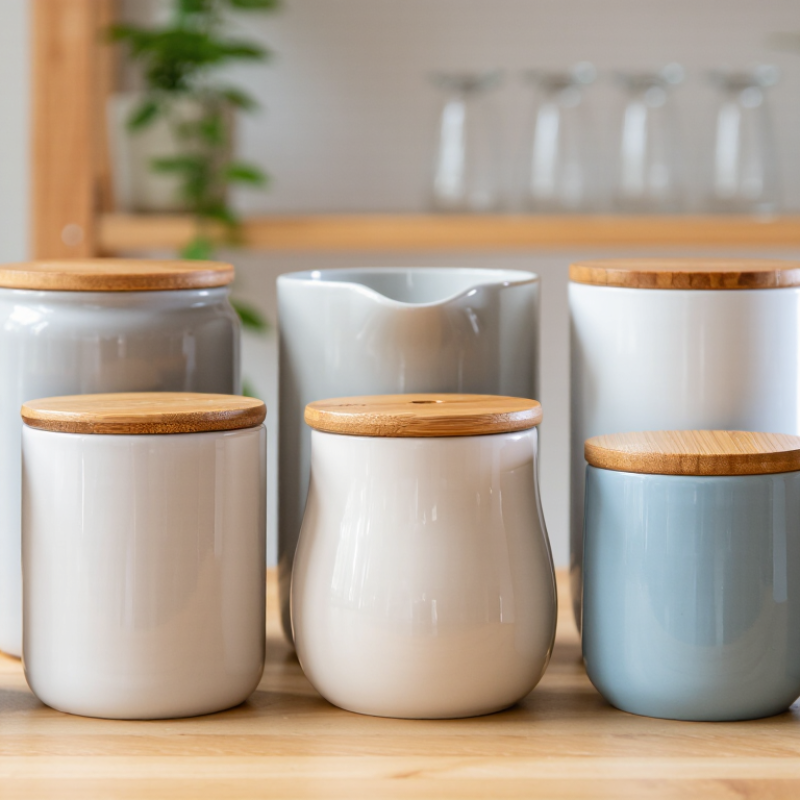
When comparing ceramic storage jars for bulk purchasing, inspect the clay body, glaze, and lid fit—not just the stated capacity. Stoneware often feels dense and sturdy, while earthenware may be lighter and more porous if its glaze is incomplete. Ask for food-contact documentation; appearance alone cannot confirm suitability. A smooth, continuous glaze is easier to wipe clean. Check the rim and handle area for pinholes, uneven glaze, or hairline cracks. Small flaws matter.
Construction shapes daily use. An even rim helps a lid sit steadily, while a silicone or cork seal may reduce air exchange; verify the fit rather than assuming the jar is airtight. For larger orders, request samples from different cartons and compare dimensions, weight, glaze color, and lid alignment. Ceramic can vary slightly between firing batches. That variation is normal, but it may complicate shelf displays. Ask about replacement lids and protective packaging, too. Thick walls can feel reassuring, yet add shipping weight and reduce usable space. Measure the shelf before ordering. Easy to forget.
| Jar Type | Ceramic Material & Glaze | Lid & Seal Construction | Typical Capacity Range | Best Bulk-Storage Use | Procurement Checks |
|---|---|---|---|---|---|
| Wide-Mouth Stoneware Canister | Dense, high-fired stoneware with a glazed interior and exterior. A properly fired body is relatively low in water absorption. | Fitted ceramic lid; an optional silicone or other food-contact gasket can improve the seal. | About 1–5 L | Flour, rice, grains, and other dry pantry staples that need easy scooping. | Check mouth diameter, lid fit, glaze coverage, and whether a gasket is included. A ceramic lid without a gasket should not be assumed airtight. |
| Porcelain Pantry Jar | Fine, high-fired porcelain with a smooth glazed surface. Vitrified porcelain is generally nonporous when correctly manufactured. | Close-fitting porcelain lid, often with a removable gasket for a more controlled seal. | About 0.5–3 L | Tea, coffee, sugar, spices, and other dry goods where a smooth, easy-to-clean surface is useful. | Request confirmation that the glaze and any colored decoration are suitable for food contact; verify lid and gasket consistency across the order. |
| Stackable Stoneware Jar | High-fired stoneware, commonly with a glazed interior and a satin or matte exterior. | Recessed or shaped lid designed to sit securely; stacking stability depends on the lid and base profile. | About 0.5–2 L | Organized storage in cupboards or on shelves where space efficiency matters. | Ask for loaded-stack guidance and check that dimensions, lid seating, and base flatness are consistent. Do not stack unless the design is intended for it. |
| Fermentation Crock with Water-Seal Lid | Thick, high-fired stoneware with a food-contact-safe glazed interior; the exterior may be glazed or unglazed. | Specialized lid and water channel form a fermentation seal; construction varies by design. | About 2–10 L | Small-batch fermentation of vegetables and other suitable foods. | Confirm the water-seal design, usable capacity, and included weights if required. This specialized lid is not interchangeable with an ordinary storage lid. |
| Unglazed-Exterior Stoneware Jar | Stoneware body with an unglazed exterior and a glazed food-contact interior. The unglazed finish can show natural color variation. | Fitted ceramic lid; seal performance depends on the lid fit and any gasket. | About 0.5–3 L | Dry ingredients when a tactile, understated exterior finish is preferred. | Check that the interior is fully and evenly glazed, and clarify care instructions because unglazed surfaces can be more susceptible to staining. |
| Glazed Earthenware Storage Jar | Lower-fired earthenware with a food-contact-safe glaze. The body can be more porous than properly vitrified stoneware or porcelain. | Usually a ceramic lid; an added gasket may improve closure but does not change the body’s material properties. | About 0.5–4 L | Decorative pantry storage for dry goods in a controlled indoor environment. | Confirm the glaze fully covers food-contact surfaces and ask about water absorption, care, and thermal-shock limits. Avoid assuming it is suitable for liquid storage. |
| Large-Batch Stoneware Storage Jar | Thick-walled, high-fired stoneware with a glazed interior; larger formats can be heavy when filled. | Broad ceramic lid, with or without a food-contact gasket depending on the design. | About 5–15 L | Bulk quantities of dry staples in kitchens, bakeries, or food-preparation areas. | Confirm filled weight, handling and cleaning requirements, shipping protection, and pallet-pack dimensions. Check whether the lid can be handled safely at the intended scale. |
Bulk-buying note: Capacity ranges are representative, not specifications for a particular product. Request production samples and written specifications for dimensions, usable capacity, glaze, lid fit, food-contact compliance, packaging, and acceptable variation before placing a volume order.