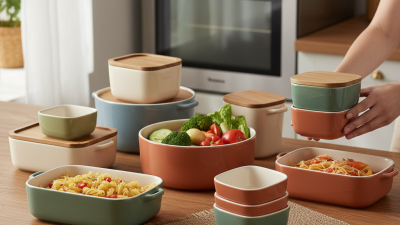
How to Choose Ceramic Storage With Lid for Wholesale?
Choosing Ceramic Storage With Lid for wholesale requires more than attractive shapes and low unit prices. Buyers must evaluate capacity, lid fit, glaze quality, packaging, and repeat supply. IMARC Group reported that the global tableware market reached approximately US$45.8 billion in 2023. Its 2024 market analysis also identifies household organization, food presentation, and durable materials as continuing demand factors.
Edmund de Waal, a respected ceramic artist and author, wrote, “A pot is a place to put something.” This simple observation matters for wholesale buyers. A container must protect its contents, stack efficiently, and feel reliable in daily use. A loose lid can create returns. A heavy body can increase freight costs. A beautiful glaze may still show scratches after repeated handling.
This guide examines Ceramic Storage With Lid through a practical purchasing lens. It considers ceramic density, glaze consistency, odor resistance, moisture protection, and closure performance. It also reviews carton strength, inner protection, breakage testing, and minimum order quantities. The World Bank’s Logistics Performance Index shows how transport reliability affects international supply chains. That reality makes packaging a commercial issue, not merely a design detail. Some product claims also need careful verification. “Food-safe” should reflect documented testing, not attractive marketing language. Wholesale decisions improve when suppliers provide samples, inspection records, dimensions, and production timelines. The perfect container may not exist. A useful one can still earn repeat orders.
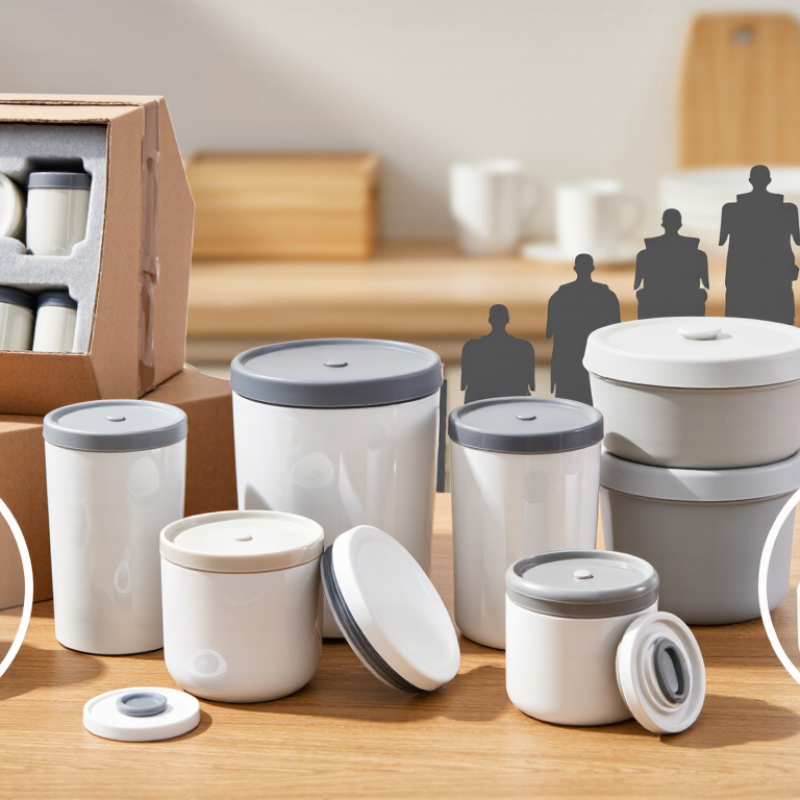
Define Your Wholesale Storage Needs and Target Market
Choosing ceramic storage with a lid begins with a clear wholesale brief. Define the buyer before comparing shapes, finishes, or prices. A café supplier may need stackable containers for coffee, sugar, and dry ingredients. A homeware distributor may prefer decorative jars for kitchen counters, bathrooms, or gift collections. The use case controls capacity, lid design, durability, and packaging needs.
Measure expected order volume and preferred price points. Then divide the target market by retail channel, customer income, and buying habits. Smaller jars can suit boutique shops, while larger sets may fit supermarkets or hospitality suppliers. Ask whether customers value airtight performance, dishwasher suitability, handmade texture, or uniform appearance. They may want all four, but the budget may disagree.
Check dimensions carefully. A lid that feels loose can damage trust, even when the ceramic body looks excellent. Test samples for glaze consistency, rim alignment, odor retention, and safe handling. Packaging also matters; thick separators can reduce breakage during transport, but they increase carton size. This trade-off deserves honest calculation. I would not select a product from photos alone. Review production samples, confirm applicable food-contact requirements, and request quality records for each shipment. One overlooked detail can become a costly return.
Compare Ceramic Materials, Glazes, and Lid Designs
How to Choose Ceramic Storage With Lid for Wholesale?
Ceramic material affects durability, weight, and wholesale shipping costs. Stoneware offers strong walls and reliable heat resistance for everyday storage. Porcelain feels lighter and smoother, but it may need stricter handling during transport. Earthenware often costs less, although it can chip more easily. Test sample jars before placing a large order. Check rim accuracy, base stability, and resistance to sudden temperature changes.
Glaze selection changes both appearance and performance. A glossy glaze creates a clean surface that wipes easily. Matte glaze feels modern but may show oil marks or fine scratches. Dark colors can reveal dust inside warehouse cartons. I once underestimated this detail. Ask for food-contact test reports and verify compliance with the destination market’s requirements. Lead and cadmium limits deserve careful attention, even when the finish looks flawless.
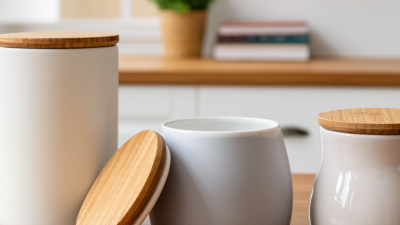
Lid design should match the storage purpose. A fitted ceramic lid gives a consistent appearance and resists odor transfer. However, it may be heavy and less forgiving when dropped. Silicone-sealed lids improve freshness for dry goods, but gasket quality must be inspected. Check sealing pressure, opening comfort, and replacement availability. Stackable lids can save shelf space, though small design errors may cause wobbling. Request drop tests, dishwasher guidance, and packaging samples before approval. Loose tolerances create returns.
Evaluate Capacity, Dimensions, and Space Efficiency
For wholesale buyers, capacity should reflect real use, not only the printed volume. A jar labeled 1,000 milliliters may hold less after accounting for its lid and rounded interior. Measure the usable space with rice, flour, or another dry sample. This practical test reveals filling limits more clearly. Leave enough headspace for clean handling and easy removal.
Dimensions must include the lid, knob, rim, and any decorative edge. I once compared two containers with identical capacity, but one required much more shelf depth. That assumption failed. Record height, width, diameter, and lid clearance separately. Check whether the opening suits common scoops or a hand. A narrow mouth can make a large container surprisingly inconvenient.
Space efficiency affects cartons, shelves, and warehouse labor. Select shapes that align closely without creating unstable gaps. Stackable designs can improve storage, but test their balance with full containers. Lids should remain secure without adding excessive height. For mixed wholesale orders, calculate cubic volume per carton and usable units per pallet. Protective padding also reduces capacity, so include it in shipping measurements. A small change in diameter may reduce carton efficiency more than expected. Request production samples and measure them yourself, because stated tolerances can vary. Oversimplifying the calculation is easy.