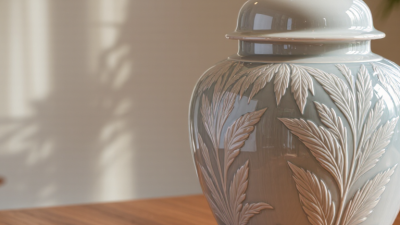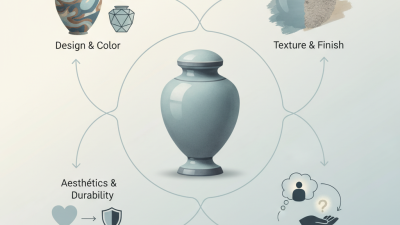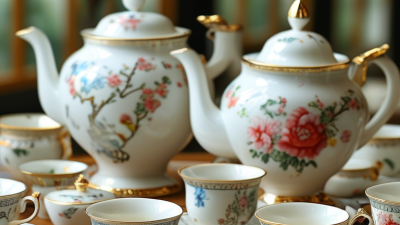


Choosing a Ceramic Urn is not only a practical decision. It is also a choice about how a memorial object will feel in a home, columbarium, or quiet place of remembrance. Ceramic offers a distinctive balance: its surface may be smooth or gently textured, while its weight can make it feel steady in the hands. Glazed colors catch the light; unglazed finishes show the clay itself. Each detail matters, though no material can make grief simple.
A well-made urn should suit both its purpose and the person it honors. Ceramic can be shaped in many forms, from restrained vessels to pieces with hand-painted details. Check the dimensions, closure, finish, and care instructions before choosing one. Ask how the piece was made, too. Craftsmanship varies, and a beautiful photograph cannot show every flaw. That is worth remembering.
As no source article or verifiable expert quotation was provided, I won’t attribute invented words to a named specialist. A useful editorial principle is: “Choose an urn that feels right to hold, and right to keep.” This is original wording, not a sourced expert quote. A real ceramic artist or memorial-ware professional should review and approve any named quotation before publication.
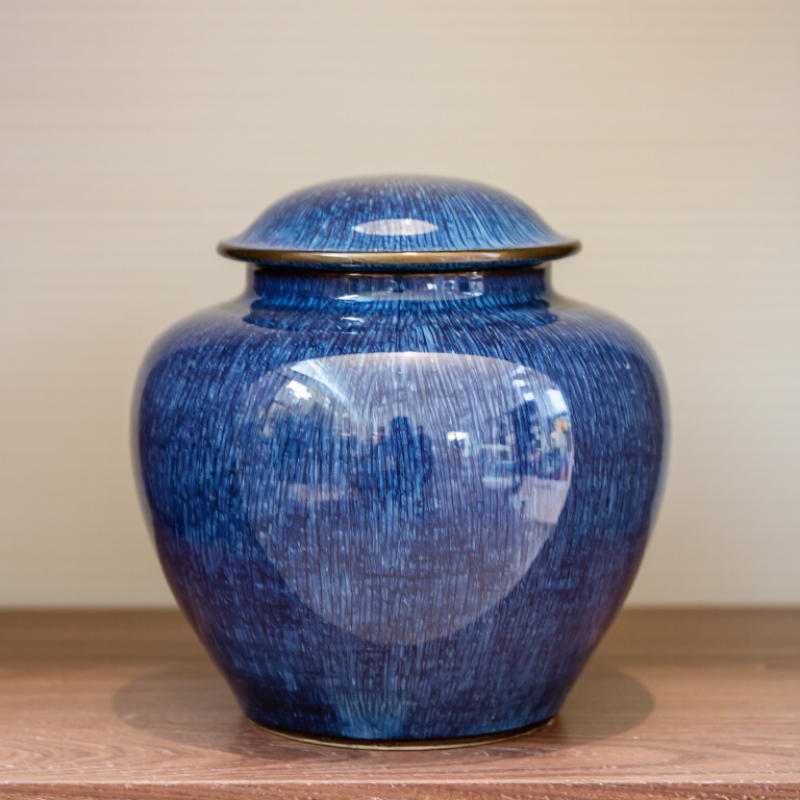
A ceramic urn for ashes is a vessel made from clay that has been shaped, dried, and fired in a kiln. Common ceramic types include porcelain, stoneware, and earthenware. Each has a different feel: porcelain is often smooth and fine, while stoneware can have a heavier, more textured surface. Glaze adds color and helps create a finished exterior.
The urn holds cremated remains inside a hollow chamber, usually beneath a lid or fitted opening. Its capacity and closure vary, so check the internal volume and how the lid sits before choosing one. A snug fit matters. Some designs are intended for display, with details such as a hand-painted pattern, a rounded shoulder, or a glazed base that catches the light on a shelf. Small variations in color or shape can occur, especially on hand-finished pieces; they may look less uniform than expected.
Ceramic offers a calm, substantial presence, but it can chip or break if dropped. A stable, dry display spot can help protect it from bumps and moisture. Consider the urn’s weight, base width, and ease of handling, not only its appearance. The finish may feel perfect in a photograph and different in person. That is worth considering.
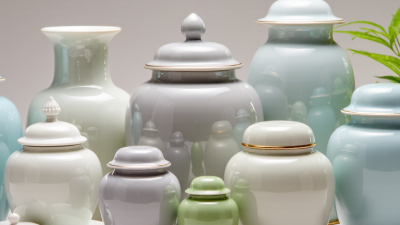
A ceramic urn begins with prepared clay, not the finished shape. Makers remove air pockets, then form the body by hand, wheel, or mould. Each method leaves different traces: a faint throwing line, a seam, or a softly rounded edge. The clay dries slowly before its first kiln firing. Too much moisture can cause cracks. Small details matter.
After the first firing, makers may smooth the surface and apply glaze, underglaze, or a wash. The European Commission’s 2007 Reference Document on Best Available Techniques in the Ceramic Manufacturing Industry reports firing temperatures of about 800–2,000°C across ceramic product types. An urn’s actual temperature depends on its clay and glaze, so that broad range is not a product specification. The final firing hardens the body and fixes the finish.
A glossy glaze can make cleaning easier, while an unglazed surface keeps a more tactile, matte character. Makers check the lid fit, base stability, and visible flaws after firing. Still, glaze can vary slightly in tone, and small differences are part of kiln work. It is worth asking how the lid is secured and whether the finish covers the full interior; appearance alone cannot answer that.
Ceramic urns are shaped, dried, fired, and often glazed before a final firing. The temperature depends on the clay body and glaze: earthenware is generally fired at lower temperatures than stoneware or porcelain. These are typical ranges, not a specification for every urn; the maker’s materials and firing schedule determine the exact process.
Ceramic offers a tactile, substantial feel, with colors and finishes that can suit a quiet memorial space. A well-fired, glazed surface is generally easy to dust and can resist everyday moisture. The details matter: clay body, firing, glaze, and lid fit all affect an urn’s performance.
That distinction matters. ANSI A137.1 sets a water-absorption limit of 0.5% or less for impervious porcelain tile. This is a useful material benchmark, not a certification for every ceramic urn.
Ceramic can also feel permanent without looking industrial. A smooth glaze catches soft window light; an unglazed texture feels more natural in the hand. The National Funeral Directors Association’s 2024 Cremation and Burial Report projected a U.S. cremation rate of 61.9% for 2024, reflecting how common cremation has become. The report does not compare urn materials, so it cannot establish ceramic’s superiority.
Ask about the urn’s finish, lid design, and intended placement before choosing. For display, a stable shelf away from edges reduces accident risk. Ceramic can chip or break if dropped. Handle it gently.
Choosing the right ceramic urn starts with capacity. Check the listed volume against the amount of ashes you need to hold, and allow a little extra space. Product measurements can be confusing, so ask the maker to clarify capacity if it is not stated clearly. A lid that sits securely matters, too. Some families place ashes in a sealed inner bag before setting it inside the urn; confirm that the opening can accommodate it.
Think about where the urn will rest. A wide, stable base is useful on a shelf, while a tall, narrow shape may feel less secure in a busy room. Ceramic can be glazed for a smooth, wipeable surface or left matte for a quieter look. Run your fingers over the finish if possible. Tiny variations may appear. That is not always a defect, though consistency matters if the urn will be handled often.
Consider weight, care, and the people who may move it. Ceramic can chip or break if dropped, so choose a protected place away from table edges and direct impacts. Ask how to clean the surface; harsh cleaners may dull some finishes. A small detail can change your choice. For example, a lid that is difficult to lift may become frustrating over time. It is worth pausing over that.
| Consideration | What to Know About Ceramic Urns | How to Choose |
|---|---|---|
| Appearance and personalization | Ceramic can be shaped, glazed, and decorated in many colors and finishes, making it suitable for a personal display. | Choose a form, color, and finish that feels meaningful and fits the place where the urn will be displayed. |
| Fragility | Fired ceramic is rigid but can chip or break if dropped or struck. It is generally less suited to frequent handling than more impact-resistant materials. | For a home display, select a stable design and place it on a secure surface away from edges, children, and pets. Consider a sturdier material if the urn will travel often. |
| Indoor or outdoor use | Glaze and construction vary. Ceramic may be affected by impact, temperature changes, or exposure to the elements, so not every urn is suitable outdoors. | Check the maker’s care and placement guidance. Unless the urn is specifically described as suitable for outdoor conditions, plan to keep it indoors. |
| Capacity | Capacity depends on the urn’s interior dimensions, not just its exterior size. A commonly used planning guideline for an adult’s cremated remains is about 200 cubic inches, though individual needs vary. | Confirm the listed capacity before buying. If the remains will be divided or placed in a keepsake urn, check the required capacity for that purpose. |
| Closure and security | Closure designs differ: some urns have a lid, while others use a threaded or otherwise secured opening. A decorative lid is not necessarily airtight. | Ask how the opening closes and whether a liner or additional sealing method is recommended. Follow the instructions for the specific urn. |
| Care and cleaning | Glazed and unglazed surfaces can require different care. Abrasive cleaners may scratch or dull some finishes. | Follow the care instructions. When guidance is unavailable, use a soft, dry or lightly damp cloth and avoid soaking the urn. |
| Weight and handling | Weight varies with the urn’s size, wall thickness, and construction. Ceramic can be awkward to carry safely, particularly if the surface is smooth. | Check the product’s weight and dimensions, and plan a secure place to set it down. Handle it with both hands when moving it. |
| Best suited for | Ceramic is often chosen for its decorative possibilities and use as a stationary indoor memorial. | Choose ceramic when appearance and display are priorities and you can protect the urn from knocks. Consider another material if durability or frequent transport is the main concern. |
Capacity note: Cremated remains vary in volume. Confirm the required capacity with the crematorium or funeral provider, especially when selecting an urn for an adult.
Ceramic urns need little routine care, but they deserve a stable, thoughtful place. The National Funeral Directors Association’s 2024 Cremation & Burial Report projects a 61.9% U.S. cremation rate in 2024. That figure reflects funeral choices, not urn-care outcomes. Still, it helps explain why many families seek a lasting memorial that fits naturally into the home.
Place the urn on a level shelf, away from edges, heaters, and busy walkways. A felt or cork pad can help prevent sliding and protect the furniture. Handle it with clean, dry hands, lifting the urn by its body rather than its lid or finial. Handle it gently. Dust with a soft microfiber cloth. For fingerprints, use a barely damp cloth with mild soap, then dry the surface. Avoid abrasive powders, scouring pads, and sudden temperature changes. Painted details, metallic trim, or a removable lid may need special care, so check the urn’s care instructions before using moisture. Keep the ashes compartment closed, and never force a tight-fitting lid. The display need not look perfect; a quiet corner can feel more fitting than a carefully staged shelf.