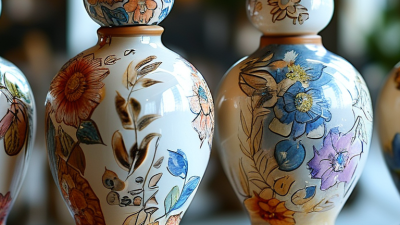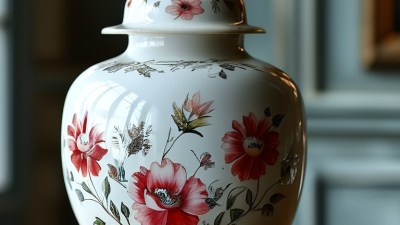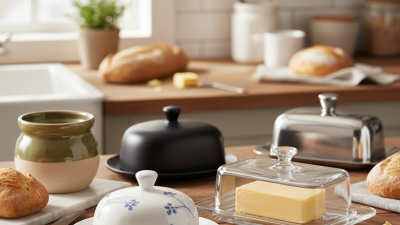


A Ceramic Urn is a vessel commonly used to hold cremated remains. Some families choose one for a home, memorial space, or cemetery niche. Others use smaller urns to share a portion of remains among relatives. The right choice depends on its intended use, capacity, material, and the wishes of the person being remembered.
Ceramic can offer a tactile, personal quality. A glazed surface may catch the light, while carved patterns or muted colors can suit a quiet room. Yet ceramic pieces vary. Some are made for display and may not have a secure seal; others are designed specifically to contain remains. Check the product’s stated capacity, closure, and care instructions before choosing. If an urn will be placed outdoors or in a cemetery, confirm that its construction is suitable for that setting.
Small details matter. A lid that feels loose, a rough base, or a finish that chips easily can affect everyday handling. Ask the maker or seller how the urn is fired, sealed, and cleaned. These questions are practical, not unkind. Still, an urn cannot carry every memory. It can provide a steady place for remembrance, but its meaning comes from the people who choose it. Sometimes the choice feels uncertain. That is understandable. This guide explains common uses, styles, and considerations so readers can make an informed decision at their own pace.
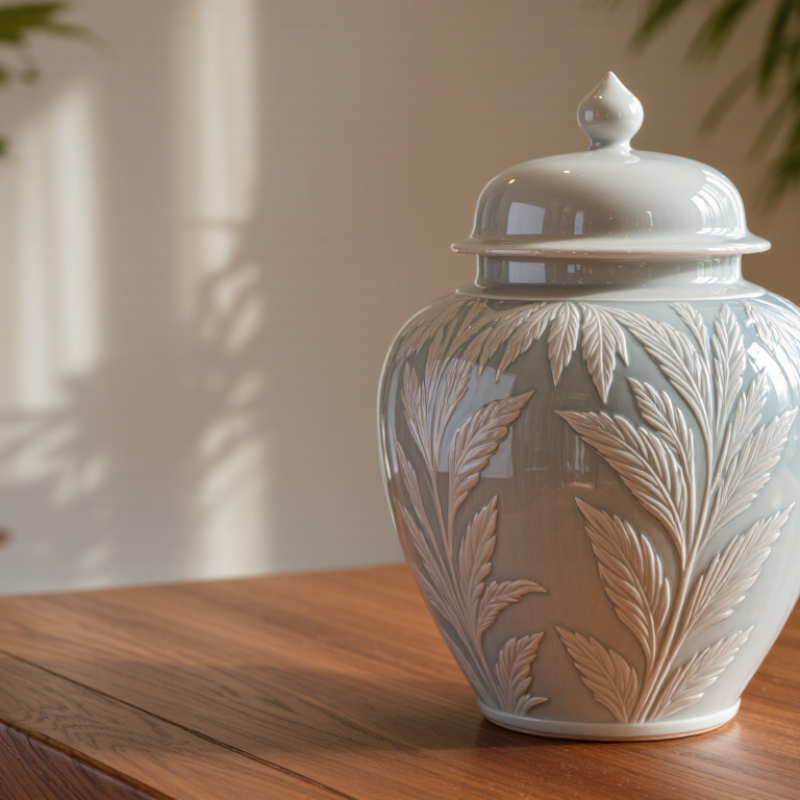
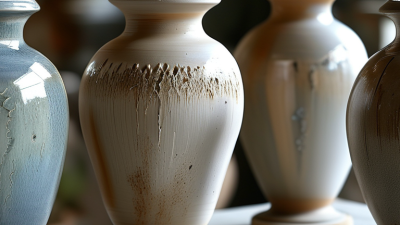
Ceramic urns are vessels for holding cremated remains, and their material affects both appearance and care. Common choices include earthenware, stoneware, and porcelain. Earthenware often has an earthy, softly textured surface; stoneware is fired at higher temperatures and is generally denser. Porcelain can feel smooth and look delicate, though its fired body can be strong. Glaze adds color and can make the surface easier to wipe clean. It does not make an urn impact-proof.
Forms range from simple cylinders and rounded jars to sculptural vessels with fitted lids. A secure closure matters: check how the lid sits and whether the urn is intended for display, burial, or placement in a memorial niche. Dimensions matter, too. A beautiful shape is not useful if it does not fit the intended space. Ask the provider about capacity and measurements before choosing.
In its 2024 Cremation and Burial Report, the National Funeral Directors Association projected a 61.9% U.S. cremation rate for 2024. That figure offers context for why memorial vessels are widely considered, but it does not determine which material suits a family.
Handle with care. Ceramic can chip if dropped, and a hairline crack may be hard to spot beneath a glossy glaze. Examine the base, rim, and lid in good light. I would not assume every ceramic urn is suitable for outdoor exposure; ask about the clay body, finish, and intended use.
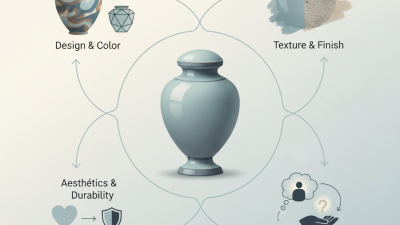
A ceramic urn is commonly used to hold cremated remains in a stable, personal vessel. After cremation, the remains are usually placed in a sealed bag or container, which can then sit inside the urn. Check the urn’s capacity before choosing one; sizes and measurements vary. A funeral provider can help confirm what will fit.
Ceramic urns come in many shapes, from simple rounded forms to hand-textured pieces with a small lid. Their weight and finish can make them feel substantial, but ceramic can chip or crack if dropped. Keep the urn on a level, secure surface, away from busy edges and sudden temperature changes. A polished surface may feel comforting, but it cannot make grief tidy. That expectation deserves a second thought.
Tips: Ask whether the urn has a removable lid and whether its opening fits the inner container. Dust it with a soft, dry cloth, and avoid harsh cleaners. If the urn will be placed in a cemetery or memorial space, check that location’s size and material requirements before buying.
A ceramic urn can keep cremated remains in a stable, visible place while giving a family an object to arrange around. It may sit on a mantel, a dedicated shelf, or beside a framed photograph and handwritten note. Its weight, glaze, and shape can make it feel like part of a room, not just a container. That distinction matters. The National Funeral Directors Association’s 2024 Cremation & Burial Report estimates that 61.9% of U.S. deaths in 2024 involved cremation. This figure shows why urn choices matter to many families, but it does not measure ceramic urn ownership or display habits.
Ceramic urns are often chosen for indoor memorial displays because their colors and surfaces can complement a home. A matte vessel can sit quietly among books; a blue-glazed one may catch afternoon light. Before displaying one, check that its lid fits securely and that the shelf is level, dry, and away from edges. Ask a funeral professional whether the urn is suitable for outdoor exposure; ceramic bodies and finishes vary, and weather can damage some pieces. Keep it simple. A small label or photograph can help visitors understand its meaning, though not every family wants a visible memorial. A beautiful urn can invite remembrance, yet it may also make grief feel on display. Choose a place that feels comforting, not staged.
What Is a Ceramic Urn Used For?
Ceramic Urns in Cultural and Religious Practices
Ceramic urns can hold cremated remains, but their meaning often extends beyond storage. In some families, an urn becomes a visible place of remembrance, kept on a memorial shelf or near a photograph. Its weight, shape, and glaze can make remembrance feel tangible. A hand-finished surface may show small variations; these can feel personal rather than imperfect.
Cultural and religious customs differ widely, even within the same tradition. Some families include an urn in a memorial gathering, while others prefer a private setting or another vessel. Ceramic’s earth-based material may carry personal significance, but it does not have one universal religious meaning. Details differ. Meaning matters. Ask relatives or a trusted faith leader before assuming what feels appropriate. I may be missing nuances between communities, so local guidance matters.
Tips: Check whether the urn’s size and material suit the family’s intended practice. Handle it carefully, especially if it has a narrow neck or delicate lid. If unsure, ask before placing it in a shared or sacred space.
Ceramic urns are commonly used to hold cremated remains. Depending on cultural or religious customs, an urn may be included in a memorial observance and then kept, buried, or placed in a columbarium. The sequence shown is illustrative; practices vary, and not every tradition follows these steps.
A ceramic urn can hold cremated remains, a small keepsake, or simply serve as a memorial object. Before choosing one, consider where it will sit and what it needs to hold. Measure the shelf or niche, and check the urn’s stated capacity against the amount of remains. A beautiful shape may still be awkward to lift or too wide for its intended place. Small details matter.
Look closely at the lid, base, and glaze. A close-fitting lid can help protect contents from dust, while a stable base reduces the risk of tipping. Ask how the urn opens and whether an inner container is recommended. Ceramic can chip or crack if dropped, and handmade finishes may vary slightly. That variation is part of the appeal, though it can make matching pieces difficult.
For routine care, use a soft, dry cloth or a lightly damp one. Avoid abrasive pads, harsh cleaners, and sudden temperature changes, which can damage the finish or create stress in the ceramic. Lift the urn from its base with both hands, especially when it is full.
Handle it gently.
If it will be displayed near a window, check that strong sunlight does not fade nearby memorial items. No choice feels completely certain; take time to choose a size and design that feels right in your home.