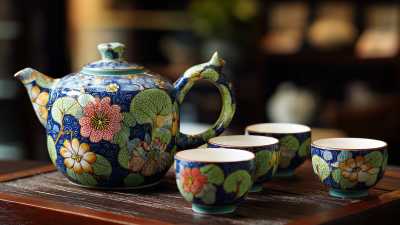
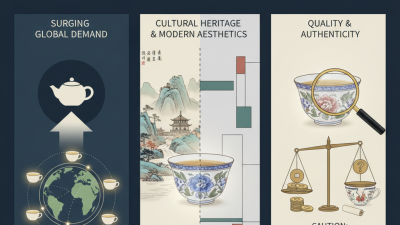
Discover the Best Porcelain Tea Sets for Your Global Sourcing Needs?
In the world of fine dining and elegant gatherings, porcelain tea sets hold a special place. Renowned expert, Dr. Eleanor Wright, states, "Porcelain tea sets are not just vessels; they embody culture and tradition." Her insights reveal the depth of this art form. Each set tells a story of craftsmanship, global influence, and personal connection.
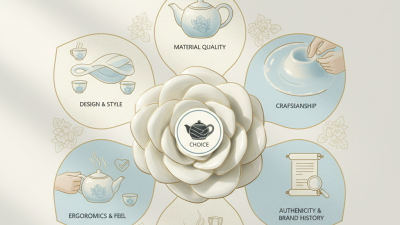
Sourcing the best porcelain tea sets requires keen attention to detail. From intricate designs to the choice of materials, every aspect matters. Buyers must consider quality over quantity. It’s easy to get swayed by price, but a beautiful set may not always function well. Authenticity matters, and finding reliable suppliers can be challenging.
Additionally, many enthusiasts often overlook the importance of using these sets. They serve a purpose beyond aesthetics. Reflecting on personal experiences, one might ask: are we truly enhancing our tea-drinking rituals or merely collecting items? Such questions can lead to valuable insights. Selecting porcelain tea sets involves not just aesthetics but also emotional connection.
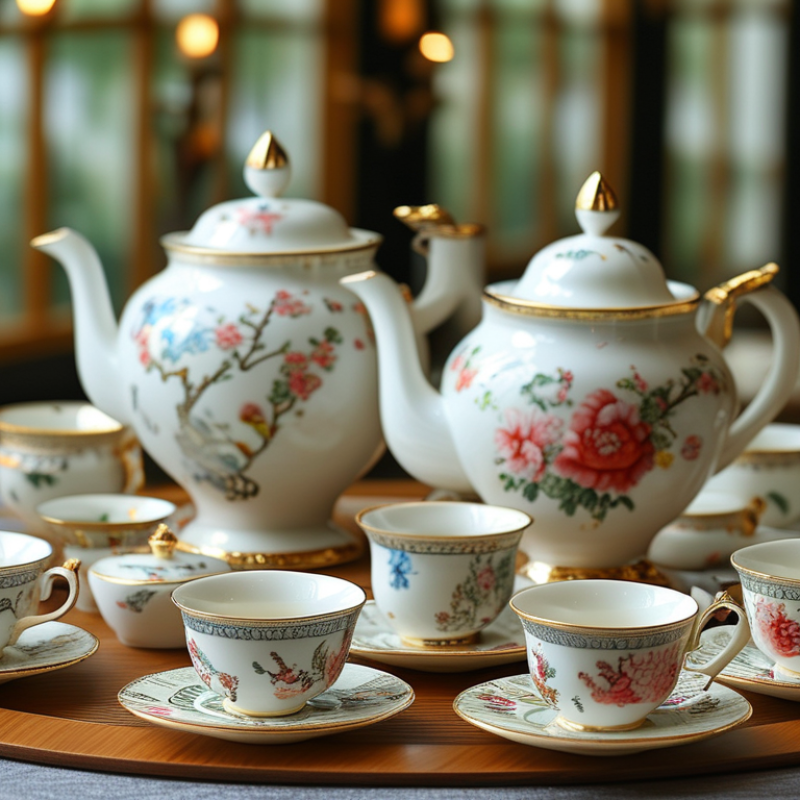
Understanding the Global Market for Porcelain Tea Sets in 2023
The global market for porcelain tea sets in 2023 has shown fascinating trends. The demand for high-quality, artisanal tea sets is increasing. According to a recent report, the global porcelain tableware market is expected to reach approximately $20 billion by 2025. This indicates a steady growth trajectory, driven by rising consumer preferences for elegant dining experiences.
Regional preferences play a crucial role in sourcing. For instance, Asia-Pacific remains a dominant market. The region accounted for over 40% of global demand in 2022. However, challenges such as fluctuating raw material costs raise concerns. Import duties and sustainability issues complicate sourcing decisions, urging businesses to consider local production options.
Quality standards are vital in porcelain sourcing. Not all manufacturers adhere to strict guidelines, which can impact durability. Buyers should evaluate suppliers based on certifications and past performance. Transparency in production processes is key. Engaging with reputable trade organizations can enhance confidence in sourcing decisions.
Key Factors Influencing Sourcing Decisions for Porcelain Tea Sets
Sourcing porcelain tea sets involves careful consideration of multiple factors. Quality is paramount. A reliable report from the International Association of Ceramics found that over 70% of buyers prioritize durability and aesthetic appeal. Shattering or chipping can severely impact usability. Buyers often look for unique designs that reflect cultural artistry.
Pricing is another crucial factor. Recent market analysis indicates that the porcelain tea set market is projected to grow at a CAGR of 6.3% between 2023 and 2028. This growing demand results in varied price ranges. Buyers should assess cost versus quality carefully. Some lower-priced options may compromise material integrity.
Shipping logistics can complicate sourcing decisions. Import tariffs and shipping times vary by region and can significantly affect final costs. A study by the Global Trade Association highlighted that nearly 30% of importers faced delays in delivery, impacting sales cycles. Understanding these logistics is essential for informed purchasing decisions.
Discover the Best Porcelain Tea Sets for Your Global Sourcing Needs
| Model |
Material Quality |
Design Type |
Capacity (ml) |
Price (USD) |
Supplier Rating (1-5) |
| Classic White |
High-grade porcelain |
Traditional |
600 |
50 |
4.5 |
| Floral Elegance |
Fine porcelain |
Modern |
800 |
75 |
4.7 |
| Vintage Charm |
Durable porcelain |
Rustic |
500 |
45 |
4.2 |
| Zen Garden |
Premium porcelain |
Minimalist |
700 |
65 |
4.8 |
| Cultural Heritage |
Artisan porcelain |
Cultural |
900 |
85 |
4.9 |
Top Manufacturing Countries for Porcelain Tea Sets: A Comparative Analysis
When exploring sourcing options for porcelain tea sets, the geographical origin can greatly impact quality and price. China has long been a dominant player in the porcelain industry. According to a report by Market Research Future, China accounted for over 65% of the global market share in 2020. Their expertise lies in traditional craftsmanship combined with modern techniques, producing exquisite pieces that cater to different markets.
Next, Japan is known for its meticulous attention to detail and innovative designs. Japanese porcelain, such as Arita and Imari, often features hand-painted aesthetics. A report from Statista highlights that Japan exported approximately 120 million USD worth of porcelain tea sets in 2022. This reflects a growing global interest in culturally significant ceramic work. However, the price point may be higher compared to Chinese products, which raises important questions for businesses on balancing cost and quality.
Finally, European countries like Germany and France hold a rich history in porcelain manufacturing. They focus on premium quality but often at a premium price. Data from IBISWorld suggests there is a steady demand for European porcelain in markets such as North America. While sourcing from these countries guarantees craftsmanship, the sustainability of supply chains in Europe requires careful consideration. Businesses should weigh these factors when choosing the best sourcing option for porcelain tea sets.
Quality Standards and Certifications for Porcelain Tea Sets in Global Trade
When sourcing porcelain tea sets for global trade, understanding the quality standards is crucial. The International Organization for Standardization (ISO) has established specific guidelines for ceramic products. These standards ensure durability and safety, vital for international markets. For instance, porcelain must comply with ISO 6486-1, which addresses the release of toxic elements. Over 70% of manufacturers report compliance with these standards.
Certification can provide a competitive edge. In a recent industry survey, 65% of businesses experienced improved trust from clients after obtaining certification. It is essential to choose suppliers who prioritize these standards. The absence of proper certifications may lead to product recalls and legal issues. A significant 25% of companies acknowledge facing challenges due to lack of regulatory compliance in their sourcing processes.
Many manufacturers are now emphasizing sustainability. Eco-friendly practices are becoming a key focus, reflecting consumer demand for responsible sourcing. Transparency in supply chains is necessary. However, only 40% of suppliers fully disclose their sourcing methods. Buyers should remain vigilant and inquisitive about the origin and production methods of porcelain tea sets. Exploring these aspects can mitigate risks and enhance market positioning.
Trends Shaping the Porcelain Tea Set Industry: Insights and Data
The porcelain tea set industry is undergoing significant transformation. Recent trends indicate a growing preference for sustainable and ethically sourced materials. Consumers are increasingly aware of the environmental impact of their purchases. This shift drives manufacturers to adopt eco-friendly practices. Many are exploring innovative designs that combine tradition with modern aesthetics.
Market data reveals a rise in personalized tea sets. Shoppers want unique pieces that reflect their personal style. Handcrafted options are particularly popular, appealing to those seeking authenticity. However, not all manufacturers can maintain quality while achieving mass production. This creates a gap that could lead to market instability.
Social media influences consumer choices, showcasing stunning tea sets. The visual appeal is vital in attracting buyers. Yet, the pressure to create perfect designs may overshadow functional needs. Balancing beauty with usability is a challenge for many brands. Crafting a tea set that excites visually while being practical requires ongoing reflection and adaptation.