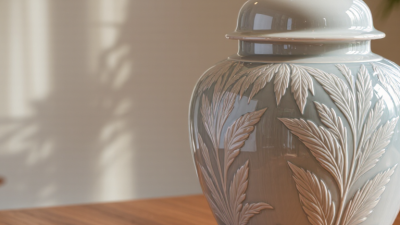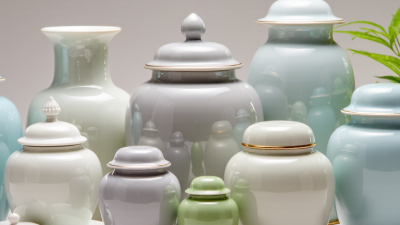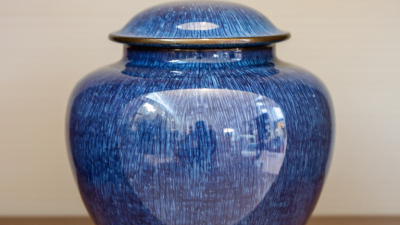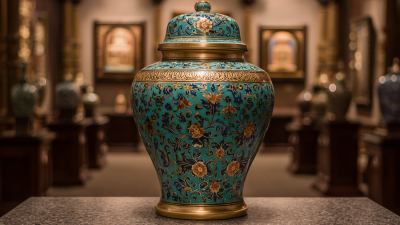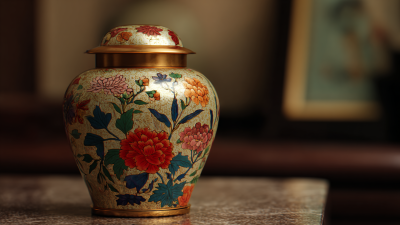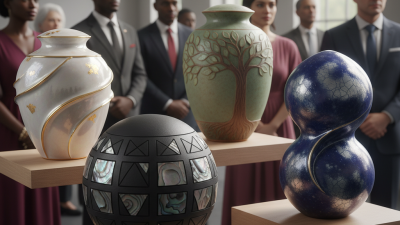




For global buyers, selecting a Ceramic Urn supplier involves more than comparing prices and product photos. A glossy finish can conceal uneven walls, loose-fitting lids, or inconsistent color between production batches. Small details matter. This guide compares ten China-based suppliers through practical purchasing criteria: material and glaze options, sample quality, customization, packaging, communication, and export experience.
The wider ceramics sector provides useful context, but not a precise measure of urn demand. Fortune Business Insights’ Ceramics Market report valued the global ceramics market at about US$133.2 billion in 2023 and projected growth to US$202.8 billion by 2032. That figure covers many ceramic products, not memorial urns specifically. The market data has a blind spot. Buyers should treat broad industry growth as context, not proof that any supplier is reliable or that urn demand is rising at the same rate.
A trustworthy comparison also needs careful sourcing. I could not verify a public, attributable quotation from a named Ceramic Urn industry specialist for this introduction, so inventing one would mislead readers. Instead, the supplier profiles should make their evidence visible: product specifications, sample photographs, packaging details, and clear answers about production consistency. A polished catalog is not enough. Ask for a physical sample, inspect the lid fit and glaze under natural light, and confirm how fragile pieces are packed. Even this checklist has limits; a sample cannot guarantee every item in a later shipment. The ten suppliers below offer a starting point for informed screening, not a substitute for buyer verification.
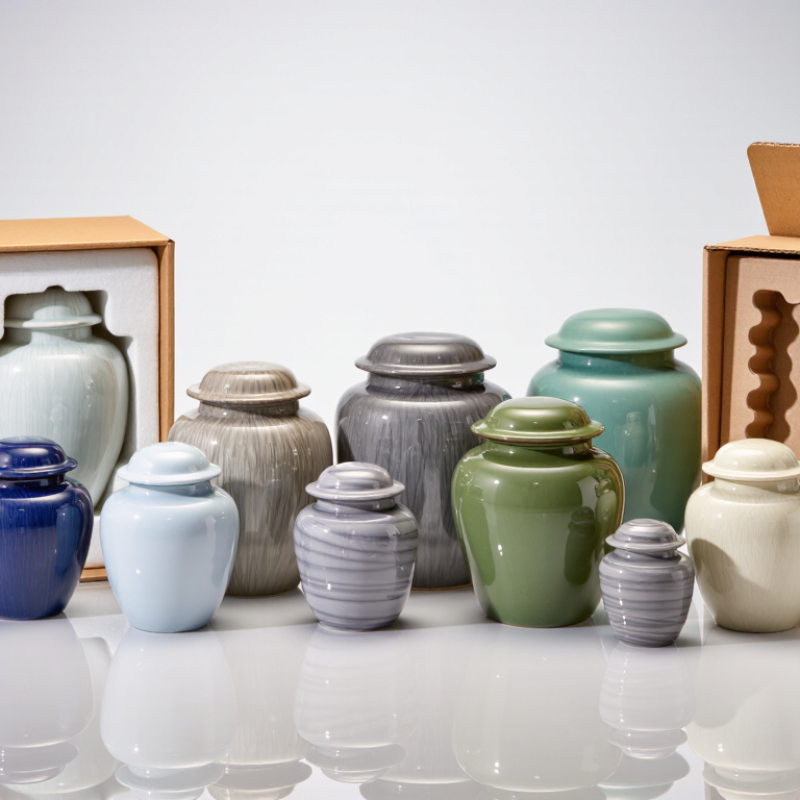
Understanding ceramic urns begins with their purpose: a lasting vessel for cremated remains, often displayed in a home or memorial setting. Their smooth glaze, hand-shaped contours, and varied finishes can make them feel personal rather than purely functional. The U.S. National Funeral Directors Association’s 2024 Cremation and Burial Report estimates a 61.9% cremation rate in the United States for 2024. This is a national estimate, not a global measure, but it illustrates why urn selection matters to many families. Small detail. A lid’s fit, the urn’s capacity, and its base stability deserve as much attention as its appearance.
Ceramic urns suit indoor display well, but they can be heavy and vulnerable to impact. Ceramic is not perfect. Buyers should check dimensions, capacity, packaging, and whether the design is intended for indoor use or another setting. Glazed surfaces may resist everyday dust, yet chips and cracks can be difficult to repair discreetly. Cultural preferences also vary: some families favor understated colors, while others choose decorative patterns or keepsake-sized vessels. There is no single universal preference. For global purchasing, clear product specifications and careful transit protection help reduce avoidable damage; local memorial-site requirements should also be checked before ordering.
A buyer-focused comparison of ceramic urn product types, applications, and sourcing checks. This overview does not rank or identify individual companies.
| No. | Product or supplier capability | Common global use | Relevant product facts | What buyers should verify |
|---|---|---|---|---|
| 1 | Adult cremation urns | Keeping cremated remains at home or in a memorial setting | Capacity needs vary with the quantity of remains and the intended use; ceramic vessels are breakable. | Usable internal capacity, lid fit, packing protection, and whether the design is intended for display or burial. |
| 2 | Columbarium urns | Placement in a niche at a cemetery, crematorium, or memorial facility | Niche sizes and access requirements differ by facility; there is no single size that fits every niche. | Confirm the facility’s maximum external dimensions, including lid, handles, and decorative features. |
| 3 | Burial-intended urns | Burial where permitted by the cemetery and local rules | Ceramic can crack or break under impact; suitability depends on the urn design and burial conditions. | Check cemetery acceptance, burial requirements, closure method, and the supplier’s stated intended use. |
| 4 | Pet cremation urns | Memorial storage for cremated remains of companion animals | Products are offered in varied sizes and designs; the required capacity depends on the animal and the cremation provider’s process. | Confirm capacity with the cremation provider and check whether personalization is available. |
| 5 | Keepsake urns | Holding a small portion of cremated remains or another memorial keepsake | These are smaller than full-size urns and are commonly purchased as individual or family keepsakes. | Check internal volume, opening size, and whether the closure is suitable for the intended contents. |
| 6 | Hand-decorated or artisan ceramic urns | Personalized memorial display and small-batch retail | Hand-finished pieces may show variation in color, surface, and dimensions between production runs. | Request production samples, approved color references, and written tolerances for repeat orders. |
| 7 | Molded ceramic urn production | Repeatable designs for retail ranges and wholesale orders | Molds can support consistent forms, while firing and finishing can still cause variation or defects. | Ask about sample approval, quality inspection, defect handling, and mold ownership for custom designs. |
| 8 | Custom decoration and personalization | Memorial gifts, personalized orders, and region-specific designs | Names, dates, artwork, and color treatments may require additional setup and approval before production. | Confirm artwork format, proofing process, spelling checks, minimum order, and lead-time impact. |
| 9 | Export packing and logistics support | International wholesale and direct-to-consumer shipments | Ceramic is fragile, so packaging design and handling are important for reducing transport damage. | Request details of inner and outer packaging, drop-test procedures if available, shipment terms, and damage claims. |
| 10 | Product documentation and quality control | Import purchasing, retail compliance checks, and consistent replenishment | Requirements vary by destination and sales channel; claims about material, finish, or intended use should be substantiated. | Agree on specifications, inspection criteria, labeling, country-of-origin details, and destination-market requirements before ordering. |