What Is the Best Ceramic Tableware for 2026?
Choosing the best Ceramic Tableware for 2026 is not simply a matter of following a color trend. It means finding pieces that feel good in the hand, suit everyday meals, and hold up to regular use. A plate may look beautiful under showroom lights, yet feel awkward beside a crowded sink. Small details matter.
Ceramic artist and author Edmund de Waal has described ceramics as “a kind of writing.” That idea offers a useful lens for tableware: glaze, shape, and surface all contribute to a table’s character. But appearance is only part of the decision. Buyers should also check the maker’s care instructions, inspect rims and foot rings, and consider whether replacement pieces are available. For daily use, a balanced bowl with a smooth, stable base can be more valuable than a dramatic serving dish that rarely leaves the cupboard.
There is no single best set for every home. Stoneware often suits relaxed, frequent meals, while porcelain can bring a lighter, more refined feel. These are tendencies, not guarantees; construction and finish vary by maker. I would not judge durability by weight alone. That shortcut can mislead. In this guide, we’ll compare materials, craftsmanship, function, care, and value to identify what deserves attention in 2026—and what may be mostly packaging. The imperfect truth? Even thoughtful buying cannot prevent every chip.
What Ceramic Tableware Is and How It Is Made
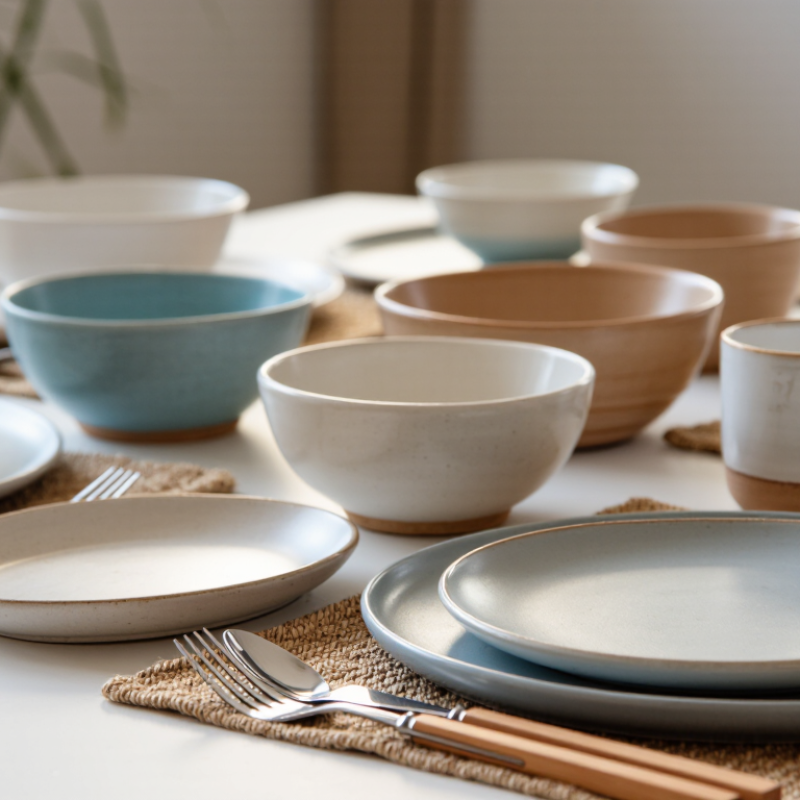
Ceramic tableware is made from clay-based materials shaped into plates, bowls, and cups. The exact mixture varies. Clay gives pieces their form, while minerals such as feldspar and silica can help them mature during firing. Makers prepare the body by blending and removing air, then shape it by hand, pressing, or casting. A plate may look simple, but its rim thickness and base affect how it feels and sits on a table.
Small variations are normal. The process is not perfectly uniform.
After shaping, pieces dry until much of their moisture has left. They are fired in a kiln, coated with glaze, and fired again, though some production methods combine steps. Heat transforms the clay body and helps the glaze form a smooth surface. A glossy finish is not automatically more durable than a matte one; the clay, glaze, and firing must work together. Look for clear care instructions and avoid assuming every ceramic piece is suitable for ovens or sudden temperature changes. That detail is easy to overlook. For 2026, understanding how a piece is made can be more useful than choosing by appearance alone.
Key Types of Ceramic Tableware and Their Differences
Ceramic tableware differs in density, weight, and how it handles daily use. Porcelain is fired at high temperatures, producing a fine, often translucent body with low porosity. It suits formal meals and frequent washing, but thin pieces can chip when stacked carelessly. Bone china is also light and refined, with added bone ash; its delicate feel may not suit every household.
Stoneware is thicker and generally more forgiving at the dinner table. Its heavier plates hold warmth well, though rough stacking can scratch glazed surfaces. Earthenware offers vivid colors and a handmade look, but its more porous body needs a sound glaze and careful care. Light, but delicate. The material name alone is not enough; glaze quality, firing, and construction matter too.
Grand View Research’s 2024 dinnerware market report estimated the global market at roughly US$18 billion in 2023. That signals broad demand, not a ranking of ceramic quality. For safety, check credible migration testing: EU Directive 84/500/EEC sets lead and cadmium release limits for ceramic food-contact items, including 0.8 mg/dm² for lead on shallow articles. A certificate is more useful than a vague “food-safe” claim. Still, buyers should inspect the actual care instructions; even durable stoneware can suffer from sudden temperature changes.
How to Evaluate Ceramic Tableware for 2026
Choosing ceramic tableware for 2026 means judging more than color and shape. Start with how you eat: daily meals, frequent guests, or food that goes straight from oven to table. A broad, shallow bowl may work better for noodles than a deep, narrow one. Check the stated care instructions before assuming pieces are dishwasher- or microwave-safe. Feel the rim. It should be comfortable to hold and free of rough spots. Examine the glaze in bright light for uneven patches, pinholes, or fine lines, while remembering that appearance alone cannot prove durability.
Weight and balance matter, too. A plate should sit steadily on the table, and stacked bowls should not wobble or scrape easily. Ask whether the maker provides clear information about materials, glaze, and testing; vague claims make comparison harder. For a set, consider whether replacement pieces are available and whether its sizes fit your cupboards. Small details matter. I still find that a beautiful finish can be less practical when it shows every utensil mark. If possible, handle a sample before buying. Compare the care needs with your routine, not an ideal routine you may not keep.
What Is the Best Ceramic Tableware for 2026? How to Evaluate Ceramic Tableware
Typical Firing Temperature Ranges by Ceramic Type
Firing temperature is one useful comparison point: higher-fired bodies are often more vitrified, but temperature alone does not determine durability or suitability. These ranges are approximate and vary with the clay body and firing process.
Best Ceramic Tableware Choices for Different Needs
What Is the Best Ceramic Tableware for 2026?
Best Ceramic Tableware Choices for Different Needs
The best set depends on how you eat, wash, and store it. For busy households, stoneware offers a substantial feel and suits everyday meals. Check the maker’s care instructions before using it in a microwave or dishwasher; finishes and construction vary. A slightly uneven glaze can look lovely, but it may collect stains more easily. Small details matter.
For lighter plates and a refined table, porcelain is often a practical choice. It is typically thinner than stoneware, yet well-made pieces can be durable. If you host often, compare plate sizes, stackability, and replacement availability before choosing a matching set. Grand View Research’s Ceramic Tableware Market report estimated the global market at USD 10.65 billion in 2023 and projected 6.4% annual growth from 2024 to 2030. That signals broad demand, not a guarantee that any particular set performs well.
For cafés or shared kitchens, prioritize sturdy rims, easy-to-clean surfaces, and consistent sizing. Ask about chip resistance and safe-use guidance, then test one piece if possible. A heavy plate can feel reassuring, but it may be tiring to carry. There is no perfect choice. The best fit balances daily handling, storage space, and the look you actually enjoy.
How to Buy, Use, and Care for Ceramic Tableware
Choosing ceramic tableware starts with how you eat, not how a set looks on a shelf. Check that each piece is labeled for food use, and read its care instructions before buying. For everyday meals, look for rims that feel sturdy and bases that sit flat. Run a finger around the edge; rough spots can catch crumbs or feel unpleasant against your lips. Slight variations in handmade pieces may be charming, but uneven stacking can become a nuisance in a small cupboard.
Think about weight and storage, too. A broad dinner plate may look elegant but feel awkward when wet. If you use a microwave or dishwasher, confirm that the maker permits it; decorative finishes and metallic details may need gentler care. Test one plate at home before committing to a full set. That step is easy to skip.
For daily care, avoid sudden temperature changes. Moving a cold bowl straight into a hot oven can stress the ceramic. Use a soft sponge and mild detergent, especially on glossy surfaces that show fine scratches. Dry pieces before stacking, and place a thin cloth between plates if their rims rub. Check for chips and hairline cracks regularly. A damaged piece may be better retired from serving food, even if it still looks usable. I admit, appearance can distract from practical flaws. A beautiful cup that tips easily is still a troublesome cup.