Best Ceramic Tableware for Global Buyers to Consider?
When it comes to choosing the best ceramic tableware, buyers face a myriad of options. Ceramic tableware combines beauty and functionality, making it a favorite for many around the world. According to industry expert Dr. Emily Hastings, “The right ceramic tableware can elevate any dining experience.” Her insight emphasizes the significance of selecting quality pieces.
Ceramic tableware is celebrated for its durability and versatility. It can be used for casual meals and elegant gatherings alike. The glaze options and design intricacies offer endless choices to buyers. Understanding these attributes is crucial for making informed decisions. However, the market can be overwhelming, filled with numerous styles and brands.
Beyond aesthetics, buyers should consider practicality. Not all ceramic tableware is microwave-safe or dishwasher-friendly. It's important to read labels and verify manufacturer claims. Additionally, it may be tempting to choose based solely on price or appearance. However, reflecting on quality and longevity can lead to better investments in tableware. Thoughtful selections can enhance both daily life and special occasions.
Best Ceramic Tableware Brands: A Comparative Analysis for Global Buyers
When exploring the best ceramic tableware, it is crucial for global buyers to consider established brands. A recent industry report reveals that ceramic tableware accounts for 30% of the global dinnerware market. This highlights a growing preference for quality materials among consumers.
The choice of ceramic materials greatly influences product durability and aesthetics. Most high-quality ceramics feature high firing temperatures, ensuring strength and chip resistance. Additionally, the glaze used can affect safety and usability; for instance, lead-free glazes are preferred for health-conscious buyers.
Tips: Look for certifications that reflect safe manufacturing processes. Many ceramic brands maintain transparency about their material sources. Researching the sustainability practices of these brands can also enhance your purchasing decisions.
Despite the many options available, buyers should be wary of products with unclear origin or questionable quality assurance. Quality assurance levels can drastically differ among manufacturers. Investing time in understanding these differences can lead to better choices in ceramic tableware for everyday use or special occasions.
Top Trends in Ceramic Tableware: Sustainable Materials and Designs
The world of ceramic tableware is rapidly evolving, with sustainability becoming a core focus. A recent industry report indicated that 70% of consumers prefer eco-friendly tableware options. This shift pushes manufacturers toward materials that are not only safe but also biodegradable. Using recycled resources in production can enhance brand loyalty and profit margins.
Trends in ceramic designs are also changing. Customization and unique art forms are gaining traction. Many buyers now seek pieces that tell a story or fit a specific aesthetic. This creative aspect draws attention. However, ensuring the sustainability of these designs can be a challenge. Artisans often face difficulties balancing aesthetics with eco-friendly practices.
Tips: Look for certifications that confirm sustainable practices. When shopping, consider the lifecycle of the product. Engaging directly with artisans can provide insight into production techniques. Such transparency can inform your purchasing decisions. Recognizing the impact of your choices is crucial in this evolving landscape.
Global Market Insights: Demand and Sales Statistics for Ceramic Tableware
The global ceramic tableware market is witnessing significant growth. According to recent industry reports, the market size reached approximately $15 billion in 2022. Projections suggest it will grow at a CAGR of over 5% in the coming years. This reflects a rising appreciation for quality and aesthetics in dining experiences.
Consumer demand is shifting towards sustainable and environmentally friendly materials. A survey indicated that 70% of respondents prefer ceramic products as they are more durable. Additionally, 40% of buyers are willing to pay a premium for tableware made from eco-conscious resources. This trend highlights a gap; many brands still rely on traditional, less sustainable practices.
Sales statistics also unveil interesting insights. The Asia-Pacific region dominated the market, capturing nearly 35% of the global share. However, trends in North America and Europe show increased demand for artisanal and handcrafted items. A growing number of consumers seek unique designs that reflect personal style. Yet, the influx of mass-produced items complicates this landscape, creating oversaturation. Balancing quality with affordability remains a challenge for producers.
Sales Volume of Ceramic Tableware by Region in 2023
Key Factors to Consider When Selecting Ceramic Tableware for Quality
When selecting ceramic tableware, there are several factors to consider. Quality is paramount. Look for items that show craftsmanship. Pay attention to the thickness and finish. High-quality ceramic should feel smooth and cool to the touch. A well-made piece will have a nice weight to it, neither too light nor overly heavy.
Durability is another important factor. Ceramic can chip or crack if not handled properly. Consider how often you will use the tableware. If it’s for everyday use, a stronger porcelain type might be ideal. For occasional use, more delicate items can add elegance. Look for pieces that are dishwasher and microwave safe. This ensures both ease of use and longevity.
Aesthetic appeal cannot be overlooked. The design should complement your dining style. Colors, patterns, and shapes play a significant role in setting the mood. However, personal taste often leads to overindulgence in trends. Sometimes simplicity is the best choice. Functionality and versatility are equally crucial. Think about how easily each piece can be mixed and matched with your existing items. This can elevate your dining experience while helping you avoid clutter.
Cultural Influences on Ceramic Tableware Choices Across Different Regions
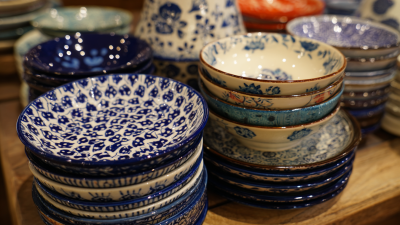
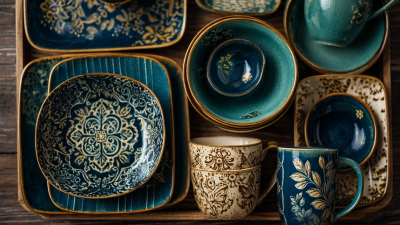
Cultural influences significantly shape ceramic tableware choices worldwide. In Asia, for instance, intricate designs reflect nature. Floral patterns and vibrant colors appeal to the appreciation of beauty. A recent market report revealed that Asian consumers prefer hand-painted ceramics for their unique craftsmanship.
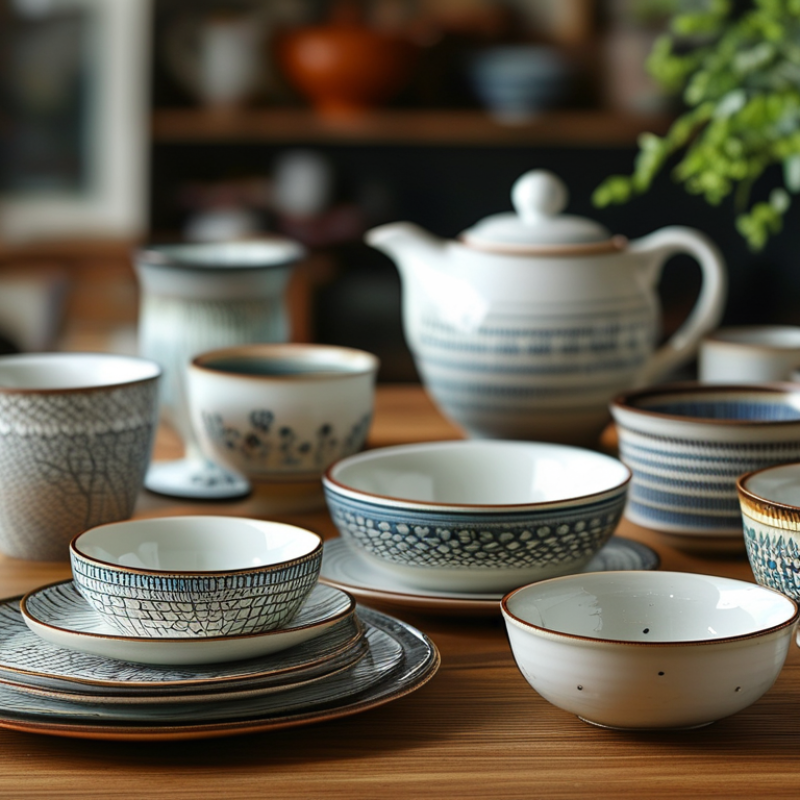
In contrast, Western regions often prioritize functionality. Minimalistic designs dominate ceramic tableware here. Clean lines and neutral colors cater to modern aesthetics. According to a survey, nearly 70% of consumers in North America are inclined towards practical designs that fit their fast-paced lifestyle. However, some buyers express a longing for more decorative options.
Interestingly, regions like the Middle East blend both aesthetics and practicality. Elegant designs incorporate traditional motifs while offering durability. Data indicates a growing market for luxury ceramics in this area, with an increase of 15% in the last year. Yet, some consumers criticize the lack of variety in local offerings, calling for a broader range of designs to reflect their rich heritage.
Best Ceramic Tableware for Global Buyers to Consider - Cultural Influences on Ceramic Tableware Choices Across Different Regions
| Region |
Popular Styles |
Common Patterns |
Cultural Significance |
Material Preferences |
| East Asia |
Porcelain, Fine China |
Floral, Landscape, Calligraphy |
Symbolizes harmony and refinement in dining |
Porcelain and Stoneware |
| Mediterranean |
Earthenware, Rustic Designs |
Mosaic, Geometric Patterns |
Reflects warmth and communal dining |
Earthenware and Terracotta |
| North America |
Stoneware, Contemporary Designs |
Minimalist, Abstract Art |
Emphasizes practicality and durability |
Stoneware and Porcelain |
| Middle East |
Lustreware, Intricate Designs |
Arabic Calligraphy, Floral Motifs |
Represents hospitality and tradition |
Ceramic and Stoneware |
| Africa |
Hand-crafted Ceramics, Natural Forms |
Tribal Patterns, Nature-Inspired |
Cultural heritage and communal sharing |
Clay and Stoneware |