65337edc2x

Leave Your Message

10 Best Butter Dishes With Lids for Every Kitchen

Butter belongs on the table, not drying out beside the toaster. A well-chosen Butter Dish With Lid keeps a stick protected while making breakfast feel a little more orderly. Yet small design choices matter. Does the lid lift easily with one hand? Will the dish fit a standard butter stick? Can it sit neatly on a crowded refrigerator shelf?

The 10 options in this guide are considered through practical details: lid fit, usable capacity, grip, cleaning, and the space each dish needs. Materials bring different trade-offs. Glass shows the butter clearly, while ceramic can feel reassuringly solid. Plastic is lighter, but its lid and shape deserve a close look. A pretty dish that slides around the counter is not much help. That detail can be easy to miss.

No verifiable interview or expert quotation was supplied for this topic, so I will not invent a named specialist’s words. Instead, this introduction focuses on criteria readers can check themselves: dimensions, care instructions, and whether the lid stays in place during ordinary use. Some claims also need a second look. A snug lid may help shield butter from dust and kitchen odors, but it does not replace appropriate refrigeration when needed. The best choice depends on your routine, available space, and preferred material—not a glossy product photo alone.

10 Best Butter Dishes With Lids for Every Kitchen

Set Storage Criteria: FDA Recommends Refrigerators at 40°F or Below

A lidded butter dish keeps crumbs, kitchen dust, and stray odors away from butter. For safe storage, keep the dish in a refrigerator set at 40°F or below, as the FDA recommends. A small refrigerator thermometer helps confirm the actual temperature; the dial setting alone may not tell the whole story. Keep butter covered and away from raw meat or leaking containers. A decorative lid can feel reassuring, but it does not control temperature. That distinction is easy to overlook.

Tips: Chill the dish before filling it. Check the refrigerator temperature regularly. If the butter sits out during a meal, return it promptly. Keep it cold.

Choose a dish that fits your household’s routine. A wide, stable base is less likely to tip when you cut a firm pat. A close-fitting lid helps protect the surface, while a simple shape is easier to wash thoroughly. Avoid packing the dish so full that the lid touches the butter. Follow the storage directions on the butter’s packaging, especially for unsalted varieties. Fridge space can be tight, and a lidded dish may not fit neatly on every shelf. Measure the spot before buying one.

Compare 10 Best Lidded Butter Dishes by Material, Seal, and Stability

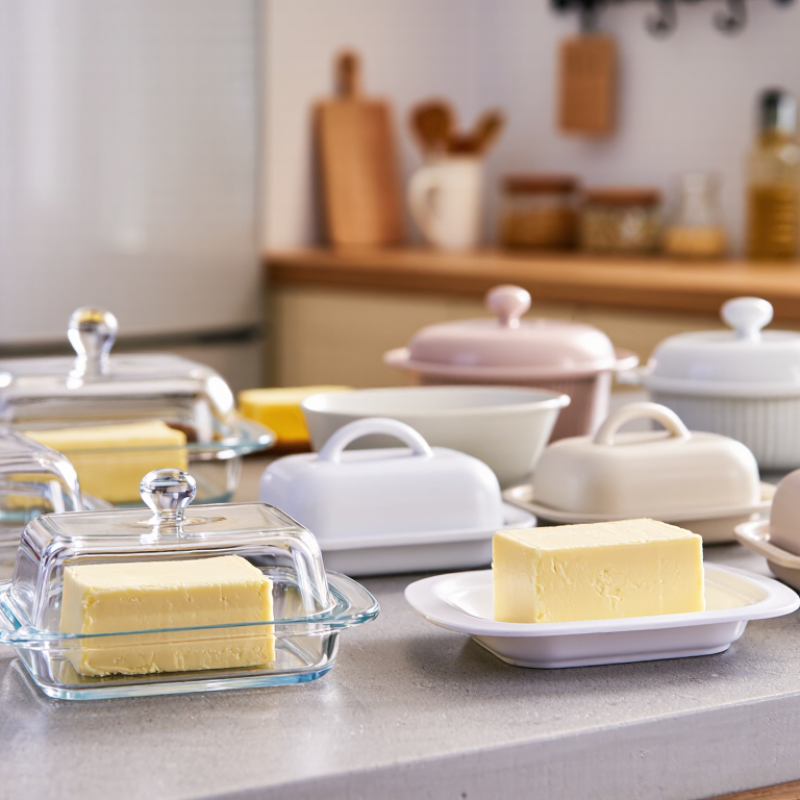
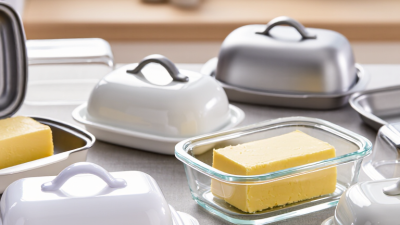
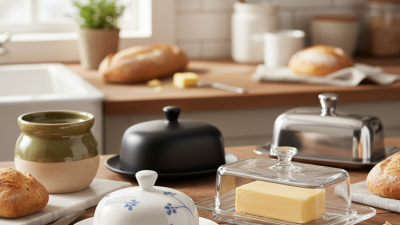
A useful comparison of ten lidded butter dishes starts with material, seal, and stability—not appearance alone. Ceramic feels substantial and usually stays put on a crowded counter. Glass lets you see how much butter remains, but a lightweight lid may slide when lifted. Stainless steel resists chips and handles frequent washing, though its cool, plain surface may not suit every table. Wood adds warmth, but it needs gentler care and can absorb moisture.

Check how each lid meets the dish. A close-fitting lid helps protect butter from dust and nearby food odors, but most butter dishes are not airtight. A silicone edge can improve the fit; it may also collect crumbs and need careful cleaning. For stability, look for a broad base, a shallow butter well, and a lid that sits evenly. A beautiful dish can still wobble. That detail is easy to miss in product photos.

Tips: Set the dish on a dry counter and lift the lid with one hand. If the base shifts, it may be awkward during breakfast. Measure your usual butter block before buying, too. Some dishes look roomy but leave little space for the lid once the butter is inside. When comparing options, weigh easy cleaning against a tighter seal; the best balance depends on how often the dish is used.

Check Capacity Against the U.S. 4-Ounce Butter-Stick Format

A butter dish can look roomy on a shelf and still feel cramped once the lid is on. Check its usable interior, not just the outside dimensions. In the United States, a standard butter stick weighs 4 ounces, or 113 grams, and contains 8 tablespoons. Many sticks are roughly 4¾ inches long, though packaging and shape can vary slightly. Measure your usual stick before choosing a dish.

Leave space around the butter. A snug fit may make the stick difficult to lift, while a low lid can press against it. Check the dish’s length, width, and height with the lid closed. If you often serve softened butter, allow room for a knife to reach the sides. Small detail. Big difference.

Capacity labels can be vague, so compare them with the butter you actually use. Some dishes hold one stick neatly; others fit two, but may take up more counter space. I once focused too much on the listed capacity and overlooked the lid clearance. It was a small annoyance, but a real one. Consider whether you store wrapped sticks, unwrapped butter, or cut portions, and choose a shape that suits your routine.

Butter-Dish Capacity Check: U.S. Butter-Stick Equivalents

Compare dish capacity with common U.S. butter-stick quantities. One stick is 4 oz (113.4 g), or ½ cup; the chart shows the equivalent weight for one to ten sticks.

For a snug fit, check the dish’s usable interior dimensions as well as its stated capacity. A standard U.S. butter stick is commonly about 4.75 × 1.25 × 1.25 inches; dimensions can vary.

Review Food-Contact Materials Against FDA Requirements

A lidded butter dish has two food-contact surfaces: the base and the underside of its lid. Check what each part is made from, including any glaze, coating, or printed decoration. Under FDA rules in 21 CFR 174.5, food-contact substances must be suitable for their intended use and manufactured under good practices. That is not a blanket approval for every material or use. Ask whether the documentation covers butter, repeated contact, and ordinary serving conditions. Details matter.

The scale of chemical exposure deserves attention. A 2024 peer-reviewed study in the Journal of Exposure Science & Environmental Epidemiology reported 3,601 food-contact chemicals detected in human samples. That finding does not show that a particular dish is unsafe; it does support checking material details rather than relying on appearance. Look for clear manufacturer information on food-contact suitability, and inspect the lid’s rim for chips, peeling, or worn coating. A glossy finish can look reassuring, but appearance alone proves little. For ceramic pieces, FDA guidance specifically addresses lead and cadmium migration from foodware. If the material or intended use is unclear, choose a dish with better documentation. Not perfect, but practical.

10 Best Butter Dishes With Lids for Every Kitchen — Review Food-Contact Materials Against FDA Requirements

No. Dish Style Typical Food-Contact Materials Best Suited For Lid and Storage Notes FDA-Related Material Review Care and Checks
1 Clear glass dish with glass lid Glass body and glass lid Everyday use and easy viewing of remaining butter A close-fitting lid helps shield butter from dust and odors; refrigerate when needed. Glass is not automatically “FDA approved” by material name alone. Confirm the item is intended for food contact and that all surfaces are intact. Check for chips or cracks; follow the maker’s temperature and dishwasher instructions.
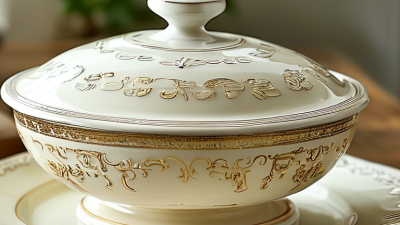
2 Porcelain dish with fitted lid Glazed ceramic body and lid A traditional table setting and serving butter at meals The opaque lid blocks light; a fitted lid is useful for countertop serving. For glazed ceramic, request suitable lead- and cadmium-leaching test documentation, especially for imported or unusually decorated ware. Do not use pieces with crazing, chipped glaze, or exposed body material; check the maker’s care guidance.
3 Stainless-steel dish with metal lid Stainless steel body and lid A durable option for frequent handling and compact storage An opaque lid keeps butter covered; the dish can be chilled before serving. Ask the supplier to identify the food-contact surfaces and confirm they are suitable for the intended food and use; “stainless steel” alone is not a compliance certificate. Look for smooth, corrosion-resistant surfaces and secure edges; avoid continued use if rust or damage appears.
4 Glass dish with silicone lid Glass body and silicone-rubber lid Users who want a flexible lid and a visible dish A flexible lid may fit more snugly than a rigid cover; confirm the lid is designed for the dish. For a reusable silicone-rubber article, request documentation for the specific formulation and intended conditions of use; 21 CFR 177.2600 covers certain repeated-use rubber articles. Inspect the lid for tears, tackiness, or odor changes; follow temperature and cleaning limits supplied by the maker.
5 Stoneware dish with lid Glazed ceramic body and lid A substantial dish for a stable countertop or dining table Its heavier lid can stay in place during serving, but the dish may take more storage space. As with other glazed ceramic ware, seek appropriate lead- and cadmium-leaching test documentation; decorative glaze does not establish food-contact suitability. Check glaze condition regularly and avoid sudden temperature changes unless the maker confirms they are suitable.
6 Borosilicate glass dish with lid Borosilicate glass body; glass lid where specified Those who prefer a glass dish and want to check the stated temperature range Choose a matching lid and verify whether both parts are intended for refrigerator or other stated use. Food-contact suitability depends on the finished article and intended use, not just the glass type. Request supplier information when needed. “Borosilicate” does not mean unbreakable; avoid damaged glass and follow the product’s thermal-use instructions.
7 Polypropylene dish with snap-on lid Polypropylene body and lid, if identified by the manufacturer Lightweight storage and households wanting a shatter-resistant option A snap-on lid can help during refrigerator storage; it may not be airtight unless specified. For polypropylene food-contact components, ask for documentation showing the resin and intended use meet applicable requirements, including relevant conditions under 21 CFR 177.1520. Check the stated temperature and dishwasher limits; replace warped, cracked, or badly scratched parts.
8 Glass dish with wooden lid Glass body and wood lid A natural-looking serving presentation Use the wood as a cover, not as a butter-contact surface, unless the supplier specifically supports that use. Wood is porous and needs appropriate care. Confirm the lid’s intended food-contact use and finish; do not assume an attractive finish is suitable for contact with food. Hand-wash and dry the lid promptly if directed; do not soak it or store it while damp.
9 Ceramic dish with bamboo lid Glazed ceramic body and bamboo lid A countertop serving dish with a lightweight cover Check whether the lid has a food-contact-safe seal and whether it is intended to touch butter. Request lead- and cadmium-leaching information for the glazed ceramic, and supplier information for any lid coating or seal that contacts food. Keep the bamboo lid dry and follow the maker’s cleaning instructions; inspect the ceramic glaze for damage.
10 Covered butter keeper with water-seal base Usually ceramic or glass base and cup; verify the specific construction Serving softened butter at the table in a water-seal style Some designs use water in the base to form a seal around the inverted butter cup; follow the product’s filling and storage directions. Verify the food-contact suitability of every component, including any glaze or seal. Material names alone do not demonstrate compliance with applicable requirements. Change the water and clean all parts as directed; keep the assembly clean and do not rely on the water seal as a substitute for safe storage guidance.

Material review note: FDA food-contact requirements depend on the material formulation, intended food, temperature, and conditions of use. A material name or general claim such as “food safe” does not by itself establish compliance. Check supplier documentation and use the dish according to its care instructions.

Choose by Cleaning, Serving Style, and Countertop Storage Needs

A butter dish earns its place through everyday ease, not appearance alone. For simple cleaning, look for a smooth body and a lid that lifts off completely. Fewer grooves mean fewer places for softened butter to collect. NSF International’s 2011 household germ study found coliform bacteria on 75% of tested kitchen sponges and dishcloths. That finding is not about butter dishes, but it is a useful reminder to wash serving pieces regularly. Dishwasher-safe parts can help, though check the maker’s care instructions. I still forget the lid sometimes.

Serving style matters, too. A flat dish suits butter pats beside warm rolls, while a deeper crock can hold a wrapped stick securely. If guests serve themselves, choose a lid that is easy to lift with one hand. For countertop storage, measure the available space before buying. A compact dish fits beside the toaster; a wider model may crowd a small prep area. Keep butter covered, and refrigerate it when you need longer storage or a cooler kitchen.

Tips: Pick a shape you can wash without fuss. Dry the lid and base fully before closing them. If the dish slides when you cut, place a thin damp cloth underneath. Small detail. It helps.