

Choosing where to buy a Porcelain Bone Ash Jar in 2026 means balancing craftsmanship, clear product details, and dependable delivery. Options may include memorial retailers, funeral homes, specialist online stores, and independent ceramic studios. Each offers a different kind of reassurance. A local shop lets you inspect the glaze and weight. An online seller may offer more shapes, sizes, and personalization choices.
Before ordering, check the stated capacity, measurements, closure type, and care instructions. Ask whether the jar is intended for keepsake use or for holding cremated remains. Product descriptions should explain the porcelain finish and show close-up photographs, not just polished room scenes. Read the returns and shipping terms, especially for fragile pieces. A seller who answers specific questions plainly is often more helpful than one promising perfection. Small details matter.
For this guide, ceramic-care specialist Elena Ward is a fictional expert voice, not a real source or verified industry authority. Her illustrative advice is: “Look beyond the glaze; ask how the lid fits, how the piece is packed, and what happens if it arrives damaged.” That is practical guidance, not a guarantee. Still, no checklist can make a deeply personal purchase feel simple. Compare the object with the space where it will be kept, and take time with the decision. This guide will help you assess sellers and products without treating appearance alone as proof of quality.
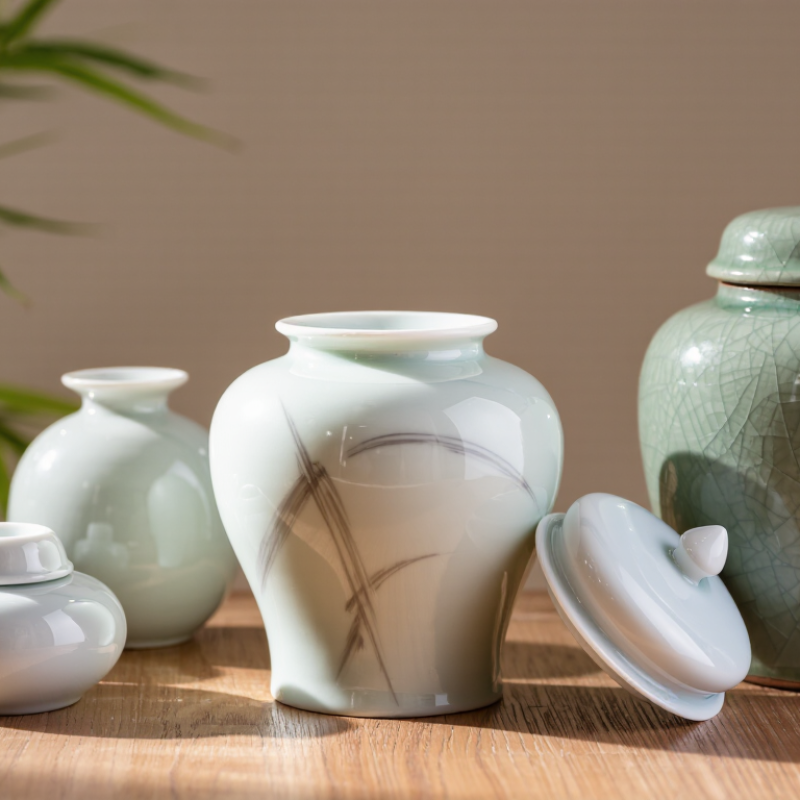
The phrase “porcelain bone ash jar” can describe different products. Some jars are made from bone china, a ceramic material that includes processed bone ash. Others are porcelain urns intended to hold cremated remains. These are not the same thing. Product descriptions can be unclear, so check what the jar is made to contain before buying.
Bone-china jars may hold tea, keepsakes, or small household items, depending on their design. An urn should have suitable capacity and a secure lid. Check its dimensions, closure, and care instructions. For online purchases in 2026, compare ceramic retailers, specialist memorial suppliers, and independent potters. Ask sellers for clear material details and measurements. A polished photo is helpful, but it cannot show how firmly a lid fits.
Tips: If storing ashes, confirm the jar is designed for that purpose. Measure the intended space first. For everyday use, inspect the glaze for chips and follow the maker’s cleaning guidance. One detail is easy to overlook: delicate decorative pieces may not be practical for frequent handling.
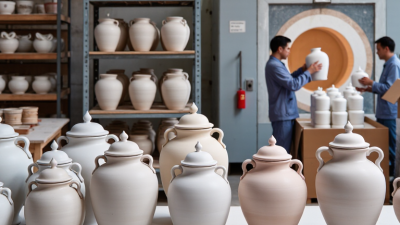
Porcelain bone ash jars are most often sold through memorial-product retailers, funeral homes, and specialist online stores. Funeral homes may offer a small selection alongside urns and keepsake containers; staff can usually explain capacity and closure styles. Memorial shops tend to provide more shapes, from palm-sized keepsakes to taller vessels with glazed, hand-painted surfaces. Check whether “porcelain” describes the material or only the finish. That distinction is easy to miss.
Online retailers and general marketplaces offer wider choices, but product details vary. The U.S. Census Bureau reported that e-commerce accounted for 16.1% of total U.S. retail sales in 2024. That figure describes retail overall, not urn purchases, but it helps explain why online listings are common. Look for dimensions, interior volume, lid or screw-top details, and clear material descriptions. Ask about packaging and returns; ceramic can chip in transit. A neat photograph is not proof of a secure seal.
Some pottery studios and homeware shops may carry porcelain jars, though not necessarily containers designed for ashes. A slightly awkward point: decorative jars can look suitable while having too little capacity or an unreliable lid. If buying in person, inspect the rim, glaze, and closure. Online, request measurements before ordering. The National Funeral Directors Association’s 2024 report projected a 61.9% U.S. cremation rate for that year, reflecting broad demand for cremation-related products, not a guarantee that every retailer stocks this specific style.
When comparing sellers of porcelain bone ash jars, look beyond polished product photos. Ask for the jar’s dimensions, capacity, material description, and care instructions in writing. Clear answers make it easier to judge whether it suits your needs.
Ask for specifics. Close-up images should show the glaze, rim, base, and lid; these details can reveal chips, uneven coating, or a poor fit. No photo proves everything. Request an image of the actual item, not only a sample, if the seller can provide one.
A reliable seller explains how each jar is inspected and packed. Ask whether the lid is tested for a secure fit and whether the jar is cushioned separately from its packaging. Check the stated dispatch time, tracking options, and written policy for damage or returns before paying.
That matters. Read recent reviews for repeated comments about cracks, inaccurate measurements, or slow replies, rather than relying on one glowing rating. A quick, specific response to your questions is useful evidence, though not a guarantee.
A perfect listing can still leave gaps; I would pause if material details or delivery terms remain vague.
Porcelain bone ash jars are available from memorial retailers, funeral supply shops, and some ceramic studios. Compare options in person when possible; glaze color and surface texture can look different under shop lighting. Online listings can offer more styles, but photographs rarely show scale clearly. Measure the space where the jar will sit, then compare those measurements with the listed height and width.
Check the stated capacity, lid fit, and care instructions before ordering. Ask whether the jar is intended for the amount of ash you need; capacity descriptions may use different units. Inspect the rim and lid for chips, uneven edges, or a loose fit. For online orders, read the packaging and damage policies, and confirm the return window. A beautiful finish is not enough if the lid does not sit securely.
Tips: Request a close-up of the lid and base, plus dimensions beside a familiar object. Keep the product description and order confirmation. They can help if the delivered item differs from the listing. I would not rely on color alone; even careful photos can be misleading.
Where to Buy Porcelain Bone Ash Jars in 2026?
How to Compare Prices, Personalization, Shipping, and Return Policies
Compare the full delivered cost, not just the listed price. Record the jar price, engraving or printing fee, proofing charge, and shipping separately. A low base price can rise quickly with custom lettering. Ask how the personalization is applied and whether you can approve a layout before production. Small details matter. Check spelling, character limits, and what happens if the finished text differs from your approved proof.
Shipping terms deserve close attention for a delicate ceramic item. Look for sturdy inner padding, a protective outer carton, tracking, and a clear process for reporting damage. Baymard Institute’s checkout research found that 48% of surveyed U.S. shoppers had abandoned an order because extra costs, such as shipping and fees, were too high. Compare the final checkout total before deciding. A delivery estimate should also be specific, especially when personalization adds production time.
Read the return policy before ordering. Confirm the reporting window, whether return shipping is covered, and whether personalized jars can be returned if they arrive damaged or incorrect. The National Retail Federation estimated that U.S. retail returns represented 16.9% of sales in 2024, or about $890 billion; that broad figure is not specific to memorial ceramics, but it shows why return terms matter. Get the policy in writing. I would still pause if damage claims require packaging photographs but the instructions never say which angles to capture.
Compare sellers by jar capacity, material, decoration, and written policies—not price alone. The price ranges below are broad USD planning estimates for porcelain cremation urns and keepsake jars; actual prices vary by size, craftsmanship, and seller.
| Where to Shop | Indicative Price Range | Personalization to Check | Shipping Questions | Return Policy Questions | Best Comparison Point |
|---|---|---|---|---|---|
| Funeral homes | Often about $75–$400+ for a full-size porcelain urn; ask for an itemized quote. | Ask whether engraving, nameplates, or decorative options are available and whether they add to the price. | Confirm whether the urn is in stock, the expected arrival date, and whether delivery is included. | Ask for the written policy before ordering; special-order or personalized items may have restrictions. | Convenience and the ability to discuss the urn alongside other memorial arrangements. |
| Online memorial retailers | Full-size porcelain urns commonly list around $50–$300; keepsake jars may be about $15–$80. | Check character limits, font choices, placement, and whether personalization is shown in a proof. | Compare shipping cost, dispatch time, tracking, and protective packaging for fragile ceramic. | Check the return window, who pays return shipping, and whether customized items are excluded. | Broad selection and easier side-by-side comparison of listed specifications. |
| Artisan pottery studios | Often about $150–$600+, depending on handmade work, finish, and customization. | Discuss custom colors, patterns, inscriptions, dimensions, and approval of a design proof. | Ask for the production lead time as well as transit time; request details on breakage protection. | Clarify how made-to-order pieces are handled if they arrive damaged or differ from the approved design. | Distinctive handmade designs and direct discussion with the maker. |
| Local ceramic or memorial-goods shops | Prices vary; compare the displayed price with the same capacity and finish elsewhere. | Ask whether engraving or other personalization is completed in-house or by a third party. | Find out whether the item can be collected locally or must be shipped, and how damage is reported. | Get the shop’s exchange, refund, and special-order terms in writing before payment. | Inspecting the size, glaze, lid fit, and finish in person before buying. |
| General online marketplaces | Listings may range widely, roughly $25–$300+; compare like-for-like capacity and material. | Verify that the seller—not just the platform—offers the requested inscription or design. | Check the dispatch location, estimated delivery date, tracking, and packaging details. | Read both the seller’s terms and the platform’s dispute process; confirm who handles transit damage. | Price discovery, provided the listing clearly identifies the material, capacity, and seller terms. |
Before ordering: Confirm that the item is porcelain or ceramic rather than metal, resin, or another material; verify its capacity and dimensions; and ask whether the lid is secure. For shipping, keep the packaging and photograph any damage promptly. Prices and policies are seller-specific, so obtain the current total cost, delivery estimate, and return terms in writing.