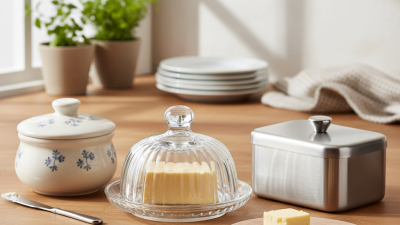
2026 Top Large Butter Dish With Lid Buying Guide
Choosing the right Large Butter Dish With Lid can make everyday breakfasts cleaner, easier, and more attractive. A well-designed dish protects butter from dust, kitchen odors, and accidental contact. It should also fit comfortably in your refrigerator without forcing shelves to move. Small details matter. A heavy ceramic base feels stable, while a clear lid makes the remaining butter easy to check.
This 2026 buying guide examines practical features buyers often overlook. We consider capacity, lid clearance, materials, handle design, sealing performance, and cleaning requirements. Ceramic and glass can offer a refined appearance, but they may chip or break when handled carelessly. Food-grade plastic is lighter, although some products may absorb odors or develop scratches over time. Reliable manufacturers should clearly identify food-contact materials and provide accurate care instructions.
Measure your butter before choosing.
A standard block may fit many dishes, but regional sizes differ. Some families store multiple sticks, softened spreads, or flavored butter. Others need a compact container for a crowded refrigerator. Based on product comparisons and everyday kitchen use, this guide focuses on stable construction, practical storage, and dependable hygiene. Still, no single design suits every household. Even careful measurements can mislead when lids have thick rims or unusual shapes. That is worth remembering. We also consider user feedback, because real handling often reveals weaknesses that product photos hide. By comparing these factors carefully, shoppers can choose a butter dish that performs well, looks appropriate, and remains useful beyond the first purchase.
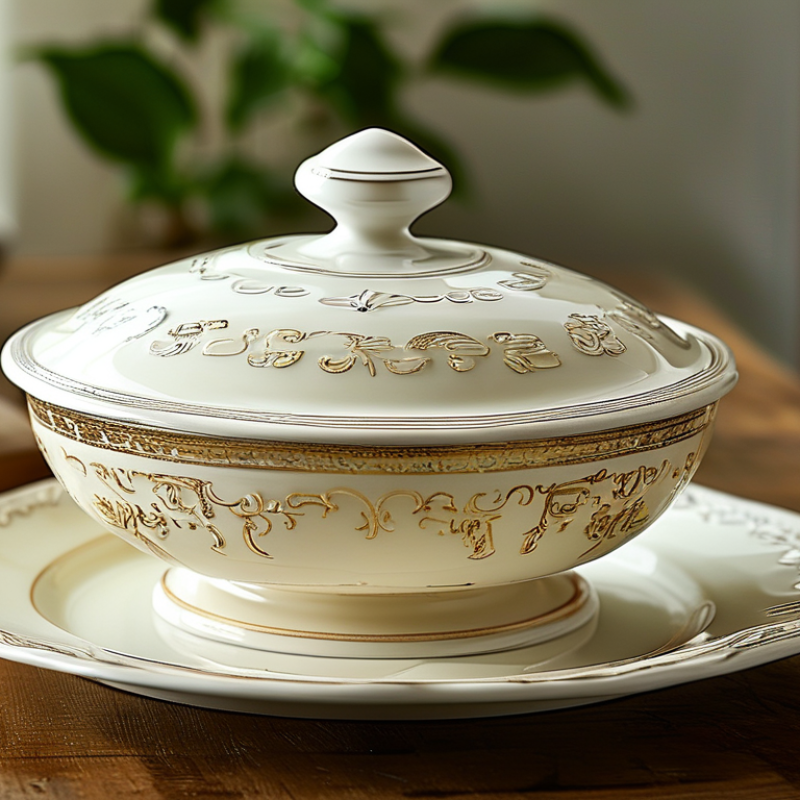
Define Large Butter Dish Capacity: 4–8 Standard 4-Ounce Sticks
A large butter dish should hold four to eight standard four-ounce sticks. That equals 16–32 ounces, or approximately 454–907 grams. The USDA FoodData Central database lists one tablespoon of butter at about 14.2 grams. This makes internal capacity important, especially when a recipe needs several measured portions.
In practical use, a four-stick dish suits everyday cooking and keeps the counter less crowded. An eight-stick dish supports frequent baking, holiday preparation, or larger households. USDA Economic Research Service data places U.S. butter availability at roughly 6.5 pounds per person annually, showing why generous storage can be useful. Still, I would not trust the word large alone. Manufacturers measure capacity differently, and lid clearance is often ignored. Leave room for a butter knife and roughly 1–2 inches of headspace. Check the interior length, width, and height before buying. A dish that technically holds eight sticks may feel cramped after the lid is fitted. That detail is easy to miss.
Compare Ceramic, Glass, Stainless Steel, and BPA-Free Plastic Options
2026 Top Large Butter Dish With Lid Buying Guide
Compare Ceramic, Glass, Stainless Steel, and BPA-Free Plastic Options
Choosing a large butter dish with a lid requires more than checking its appearance. Measure your butter block first, then allow space for the lid and a spreading knife. A dish holding one cup of butter usually needs an interior length near six inches. That extra room prevents softened butter from touching the lid.
Ceramic feels stable and keeps the dish from sliding across a counter. Its opaque surface also hides stains, although chips can develop around the rim. Glass makes the butter visible and cleans easily, but condensation can make the lid slippery. Stainless steel resists odors and breakage, which suits busy kitchens. However, it may feel cold and less inviting during breakfast.
BPA-free plastic is lightweight and practical for picnics or crowded refrigerator shelves. Look for food-contact certification, a secure lid, and clear temperature limits. BPA-free does not mean every plastic is suitable for hot washing or freezing. I initially preferred glass because it looked cleaner. After repeated handling, ceramic felt safer in my kitchen. My mistake was ignoring the lid seal. A loose lid lets refrigerator odors reach butter. Test the fit with one hand, especially if children or older adults use the dish. Rounded edges also matter; sharp corners collect crumbs and require more careful cleaning.
2026 Top Large Butter Dish With Lid Buying Guide
Comparing ceramic, glass, stainless steel, and BPA-free plastic by practical material characteristics.
Scores use a 1–5 comparative scale based on common material properties: 1 indicates lower performance and 5 indicates higher performance. Stainless steel is generally the most impact- and heat-resistant, while BPA-free plastic is usually the lightest. Ceramic and glass offer strong stain resistance but are more prone to breakage than metal or plastic.
Assess Lid Design, Airtight Seals, and FDA Food-Contact Compliance
A large butter dish should protect the butter without trapping moisture against its surface. I look for a lid with enough height for a full stick or block, plus a wide base that leaves finger room. A silicone gasket can reduce air exchange, but “airtight” alone proves little. Press the lid gently. It should close evenly, without rocking or scraping the rim. Removable seals matter because cream residue can hide in narrow grooves. Small detail, big hygiene risk.
FDA Food Code 2022, Sections 4-101.11 and 4-602.11, emphasizes food-contact surfaces that are smooth, durable, and easily cleanable. For this reason, avoid cracked wood, rough glaze, and permanently fixed seals. Check the maker’s compliance statement against applicable FDA food-contact rules, including 21 CFR Parts 174–179. “FDA approved” is often used too loosely. The statement should identify the food-contact material and intended temperature range. Heat resistance does not automatically confirm safe contact. I would also inspect dishwasher claims carefully; repeated heat can distort a loose lid or weaken its seal. A 2023 FDA Total Diet Study reinforces why material contact deserves attention, even when the container holds only butter. Cold storage still requires clean, non-porous surfaces and honest labeling.
Check 41°F Cold-Holding Guidance, Dimensions, and Refrigerator Fit
A large butter dish with a lid should support safe, practical cold holding, not just attractive serving. The FDA Food Code 2022 sets 41°F (5°C) or below for refrigerated time-temperature control foods. Plain butter is relatively stable, but compound butter, dairy spreads, and shared servings deserve greater caution. The USDA FoodKeeper database lists refrigerated butter at about one to two months for best quality. Check the refrigerator thermometer, because a dial marked “cold” proves very little.
Measure the storage area before choosing a dish. Record interior width, depth, and height, then allow space for the lid knob and hand clearance. A dish measuring 8 by 6 inches may need nearly 9 inches of shelf depth when opened. That small difference matters. Measure twice. Some refrigerator shelves narrow near the door, while upper shelves may have less vertical room. A low, transparent lid makes the butter easier to inspect without repeated opening.
Look for a heavy base that stays stable when softened butter is scraped. Ventilation is less important than a secure cover, cleanable surfaces, and a lid that does not touch the butter. NSF food-equipment guidance emphasizes smooth, cleanable construction for food-contact items. I would still question oversized designs: extra capacity can encourage longer storage and more temperature exposure. For frequent entertaining, choose a dish that fits one week’s expected use, not an imaginary banquet.