

65337edc2x

Leave Your Message

2026 Best Butter Dish With Lid for Global Buyers

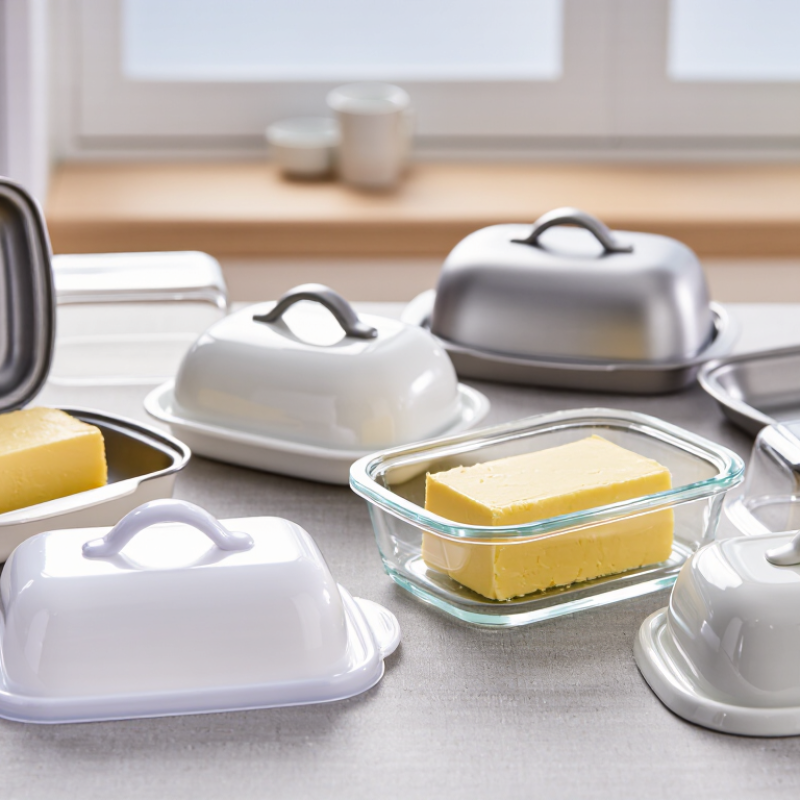
Choosing the best Butter Dish With Lid for global buyers requires more than attractive styling. Butter sits on breakfast tables, kitchen counters, and restaurant service trays. Its container must protect freshness, reduce mess, and fit everyday routines. A lid that slides smoothly matters when hands are wet. A broad base matters when cutting firm butter.

Market evidence supports this practical focus. Grand View Research’s Food Storage Containers Market report highlights continued demand for reusable, durable household storage products. The report also connects purchasing decisions with material quality, convenience, and sustainability. Mordor Intelligence’s Kitchenware Market analysis points to wider interest in functional, easy-clean products across international markets. These findings do not prove that every premium dish performs better. They provide useful buying context.

This guide compares ceramic, glass, stainless steel, and food-grade plastic designs. It considers lid security, capacity, dishwasher compatibility, temperature guidance, and packaging strength. Global buyers also need clear dimensions. A dish sized for a 250-gram block may not suit larger regional butter packs. Small details matter.

No ranking is flawless. That deserves honest attention. Some attractive lids are difficult to grip. Some heavy ceramic bases can crack during transit. Some “airtight” claims remain vague without testing details. The USDA FoodKeeper resource offers general storage guidance, but manufacturers still control product instructions. Buyers should check those instructions carefully. The strongest choice balances protection, usability, verified materials, and dependable delivery. This 2026 review aims to make that decision clearer, while admitting that kitchen habits differ across countries, households, and serving traditions.
2026 Best Butter Dish With Lid for Global Buyers

What Is a Butter Dish With Lid and How Does It Work?

A butter dish with lid is a small kitchen container designed to store butter neatly and protect it from dust, odors, and accidental contact. It usually has two parts: a flat base and a fitted cover. The base keeps butter stable, while the lid creates a simple barrier around it.

How does it work?

A regular covered dish reduces exposure to air, light, and kitchen moisture, helping butter keep its flavor. It does not create a completely airtight seal.

A water-seal butter keeper works differently. Its lower cup holds butter, while water in the outer base blocks air from entering. This design can keep butter softer at room temperature, but the water needs frequent changing.

Warm climates require extra care. Butter may spoil faster than expected.

Tips: Choose a food-safe, non-porous material and a lid that sits firmly without crushing the butter.

Check the dish’s size before buying; a narrow base can make spreading awkward. Clean away old crumbs and oily residue regularly.

In practice, a heavy base feels more secure, but it may be harder to lift with wet hands. That small inconvenience matters.

If your kitchen is hot, refrigeration is often the safer choice, even when the dish looks attractive on the counter.
Key Types of Butter Dishes for Different Household Needs

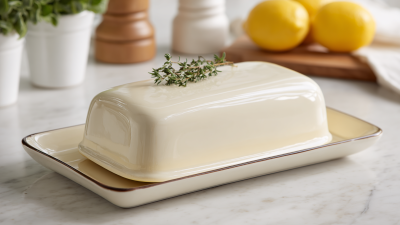
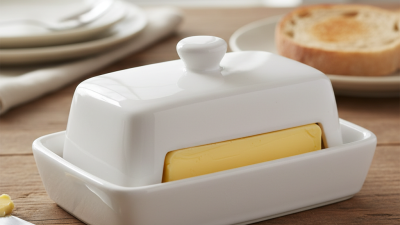
Butter dishes vary more than many buyers expect. The right type depends on climate, serving habits, and refrigerator space. A covered ceramic dish suits families using butter daily. Its heavy base stays steady during breakfast preparation. The lid blocks dust and reduces light exposure. Choose a dish with a wide handle. Small handles become awkward with wet fingers.

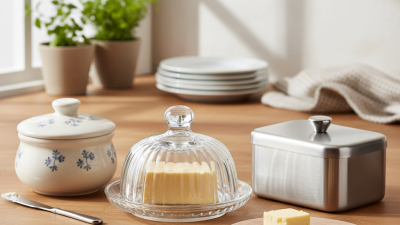
A glass butter bell works well for households wanting quick visual checks. It shows the remaining portion without opening the lid. A water-sealed butter crock keeps butter soft at room temperature. It needs fresh water changes and careful cleaning. This option may be unsuitable for very warm kitchens. Stoneware models provide stronger insulation and a cooler touch. They are useful when the dish moves between the counter and refrigerator. Yet, thick stoneware can occupy more shelf space.

For shared homes, select a larger rectangular dish with a firm lid. A narrow dish fits compact refrigerators and smaller butter blocks. Families with children may prefer rounded edges and dishwasher-safe construction. I once chose a beautiful shallow dish, but the butter overflowed after one warm afternoon. That choice was wrong. Measure your usual butter size before buying. Check the lid seal, base grip, and cleaning instructions. Uncovered trays look elegant, but they offer little protection from kitchen odors. A reliable dish should feel stable, open easily, and match the household’s daily rhythm.

2026 Best Butter Dish With Lid for Global Buyers

Key Types of Butter Dishes for Different Household Needs

Capacity benchmarks are based on commonly sold butter pack sizes of approximately 125 g, 250 g, and 500 g. Smaller covered dishes suit individuals and couples, standard dishes fit most family kitchens, while large dishes are practical for entertaining or bulk storage.

Materials, Sizes, Lids, and Features to Compare

For global buyers, a butter dish should match local habits, not just kitchen style. Glass and glazed ceramic resist odors and show remaining butter clearly. Stainless steel is durable, light, and suitable for frequent transport. Silicone offers grip, but soft surfaces can retain grease if cleaning is rushed. The USDA FoodKeeper guidance lists refrigerated butter at about one to two months, so an airtight lid still matters. It slows odor transfer and protects the surface from dust.

Size affects daily use. A dish holding 125 to 250 grams suits many households, while larger families may need 500 grams. Measure the inner tray, not the outer rim. Some butter blocks are wider than expected. A flat lid works under low shelves, while a tall dome allows room-temperature serving. However, room temperature requires careful hygiene and cooler conditions. The U.S. FDA Food Code uses 5°C or below as a cold-holding benchmark for temperature-controlled foods. Butter storage is more nuanced, and buyers should check local guidance.

Tips: Choose a lid with a silicone seal, broad handle, and dishwasher-safe construction. Check whether the base has non-slip feet. For export purchasing, request food-contact compliance documents, washing instructions, and carton drop-test results. A plain ceramic lid may look elegant but chip during shipping. I have also found oversized dishes waste refrigerator space. A smaller, well-sealed model is often more practical. The best choice depends on portion size, climate, cleaning habits, and shelf clearance.

2026 Best Butter Dish With Lid for Global Buyers - Materials, Sizes, Lids, and Features to Compare

Comparison guide for selecting a butter dish with lid by material, capacity, lid design, care requirements, and international-use considerations.
Dish Type Main Material Typical External Size Approximate Butter Capacity Lid Design Base Features Care and Durability Best Use Case Important Buying Checks
Classic Ceramic Dish Glazed ceramic or stoneware 17–20 cm L × 10–13 cm W × 8–11 cm H Standard 100–125 g butter block Removable ceramic dome with top handle Flat serving base; raised rim helps keep butter in place Non-porous glaze is easy to wipe clean; may chip or break if dropped; dishwasher use depends on the glaze and maker’s instructions Everyday countertop storage and traditional table service Confirm internal clearance, glaze quality, base stability, and packaged breakage protection
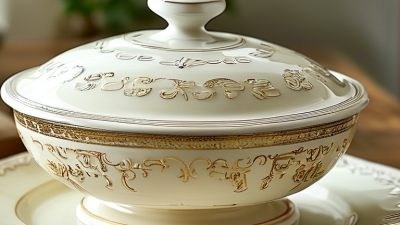
Porcelain Covered Dish Fired porcelain with glazed surface 16–19 cm L × 9–12 cm W × 7–10 cm H Standard 100–125 g butter block Lightweight porcelain cover, often with a knob Smooth flat base; refined appearance for dining tables Low water absorption and easy cleaning; resistant to staining but vulnerable to impact and thermal shock Formal dining, hospitality, and gift-oriented packaging Check whether the lid is interchangeable, whether the knob is firmly attached, and whether dishwasher use is permitted
Glass Butter Keeper Pressed or borosilicate glass 17–20 cm L × 10–13 cm W × 8–12 cm H Standard block or up to approximately 250 g, depending on shape Transparent glass dome or fitted glass cover Visible contents; some versions include a shallow recessed base Does not retain food odors; borosilicate glass handles temperature changes better than ordinary glass, but all glass can break Buyers who want product visibility and a neutral material appearance Verify glass type, wall thickness, lid fit, edge finishing, and safe packing for international shipment
Stainless Steel Dish Food-contact stainless steel, commonly 18/8 or 18/10 grade 16–20 cm L × 10–13 cm W × 7–10 cm H Standard 100–125 g butter block Fitted metal lid or transparent plastic lid with steel base Lightweight base; some models use a non-slip underside Rust-resistant when properly made and maintained; generally durable and easy to clean; may show fingerprints or scratches Commercial kitchens, outdoor dining, travel, and high-use households Check food-contact grade, weld quality, lid sharp edges, surface finish, and resistance to denting
Bamboo-Fiber or Wood-Lid Dish Ceramic or glass base with bamboo, acacia, or other wood lid 17–20 cm L × 10–13 cm W × 8–12 cm H Standard 100–125 g butter block Flat wood lid, sliding lid, or wood lid with a small handle Warm natural appearance; some bases include a recessed butter area Wood should usually be hand-washed and dried promptly; prolonged soaking may cause swelling, cracking, or odor retention Natural-style kitchens, gift sets, and home décor-focused buyers Confirm wood species, food-safe finish, moisture instructions, lid ventilation, and compliance with destination-market rules
Refrigerator-Safe Plastic Dish Food-grade polypropylene, Tritan, or other specified food-contact plastic 16–19 cm L × 10–12 cm W × 7–10 cm H Standard 100–125 g butter block Snap-on, hinged, or press-fit transparent lid Low weight; non-slip feet or molded grip areas may be included Resistant to impact and suitable for refrigerator storage; plastic can scratch, discolor, or retain odors depending on the resin Families, travel, shared kitchens, and low-breakage shipping requirements Check food-contact declaration, temperature range, BPA-related claims, odor resistance, and whether the lid seals securely
Butter Keeper with Water Seal Ceramic or stoneware body with a removable lid 13–16 cm L × 9–12 cm W × 10–14 cm H Approximately 100–125 g softened butter Inverted lid or cover designed to hold a small amount of water around the butter chamber Water channel or reservoir helps create a barrier against air; requires regular water changes May keep butter spreadable at room temperature when used correctly; requires frequent cleaning and is not intended to replace refrigeration for long-term storage Users who prefer spreadable butter at the table Check reservoir depth, lid stability, cleaning access, recommended water-change frequency, and room-temperature guidance
Large Family-Size Dish Ceramic, glass, stainless steel, or durable food-grade plastic 20–25 cm L × 12–15 cm W × 8–12 cm H Approximately 250–500 g butter or multiple small portions Deep dome, hinged cover, or large removable lid More interior clearance; may include divider or separate butter compartment Material-specific care applies; heavier ceramic and glass versions require stronger packaging and careful handling Large households, restaurants, breakfast buffets, and catering service Measure the intended butter pack, confirm lid clearance, assess shelf space, and check carton dimensions and shipping weight
Compact Travel Dish Food-grade plastic, stainless steel, or silicone with a rigid base 12–16 cm L × 8–11 cm W × 5–8 cm H Approximately 50–125 g butter Locking, screw-top, or tight press-fit lid Compact footprint; some designs include a silicone gasket or internal grip Impact-resistant options are suitable for transport; silicone components may absorb odors if not cleaned thoroughly Picnics, camping, lunch bags, caravans, and short-distance transport Check leak resistance, locking strength, temperature range, ventilation, and whether the size fits common butter portions
Global buyer checklist: Food-contact compliance Metric dimensions Lid fit and clearance Dishwasher instructions Packaging strength Import labeling
Product dimensions and capacities are typical market ranges rather than universal standards. Buyers should verify the final specification, test reports, care instructions, carton dimensions, and destination-country requirements with the supplier before purchase.

How to Choose the Best Butter Dish for Global Buyers

Choosing the best butter dish for global buyers starts with temperature, material, and daily handling. The FDA Food Code 2022 recommends cold holding at 41°F (5°C) or below. A covered dish should therefore protect butter from dust, odors, and repeated hand contact. However, not every household wants hard butter from the refrigerator. That trade-off matters.

Choose a lid with a stable grip and enough clearance for a standard 250-gram block. The base should resist sliding when a knife presses against the butter. Food-grade glass, ceramic, and stainless steel offer different advantages. Glass shows the remaining quantity clearly. Ceramic provides weight and insulation. Stainless steel is lighter and less likely to chip. Plastic can be practical, but buyers should verify food-contact compliance for their destination market. The European Commission’s food-contact materials guidance stresses that materials must not transfer harmful substances into food.

Cleaning also deserves attention. The World Health Organization’s Five Keys to Safer Food emphasizes cleanliness and preventing contamination. Select a dish with rounded corners, a removable lid, and no deep grooves. Dishwasher compatibility helps, but hand washing may preserve printed surfaces and delicate finishes. Market research from Grand View Research identifies convenience and reusable food storage as continuing consumer priorities, yet reports vary by region and product definition. I would not treat one market forecast as universal. My own preference is a heavy base and a transparent lid, though that choice may feel excessive in a small kitchen. Keep it simple. A good butter dish should open easily, seal reasonably well, and survive ordinary mistakes.

Cleaning, Storage, and Safe Everyday Use Guidelines

2026 Best Butter Dish With Lid for Global Buyers

A butter dish with a lid protects flavor, reduces dust, and keeps serving areas cleaner. Choose a stable base with a lid that closes without scraping the butter. Ceramic and glass are practical choices because they resist odors and are easy to inspect. A heavy base also helps prevent spills when the knife is used.

Wash the dish after each refill with warm water and mild dish soap. Remove butter films from corners and the lid rim. Dry every surface before adding fresh butter. Moisture can encourage unpleasant odors. Use a clean knife, and avoid returning crumbs to the dish. It sounds simple. Many households forget this step.

For daily use, keep only a small amount at room temperature, especially in warm kitchens. Store extra butter in its original wrapper or a sealed container inside the refrigerator. Keep it away from raw meat, seafood, and strong-smelling foods. Salted butter often keeps its quality longer, but refrigeration remains the safer general choice. Check local food-safety guidance because climate and household conditions differ. Discard butter with mold, sour odors, unusual color, or a sticky texture. Do not freeze a dish unless its material is specifically rated for freezing. A perfect routine is unrealistic; checking the lid, temperature, and cleanliness regularly is more dependable.