

65337edc2x

Leave Your Message

China Top 10 Ceramic Bone Ash Jar Suppliers?

Choosing a reliable Ceramic Bone Ash Jar supplier in China requires more than comparing catalog prices. Product consistency, material safety, respectful design, and dependable communication all matter. This guide introduces ten suppliers worth reviewing for professional buyers, memorial service providers, retailers, and distributors.

The evaluation considers factory experience, ceramic craftsmanship, glaze quality, customization, packaging, export history, and customer support. Clear product specifications can reveal important details, including dimensions, capacity, firing temperature, finish, and closure design. Some suppliers may offer hand-painted patterns, matte surfaces, engraved plaques, or protective velvet interiors. Small details matter.

Compliance and traceability also deserve attention. Responsible suppliers should provide accurate material information, stable production records, and suitable export documentation. Buyers should confirm testing requirements for their destination markets before placing large orders. A polished website is not enough. Real evidence matters.

This overview is practical, but it is not a permanent ranking. Supplier capabilities change, and online information can become outdated. That is worth remembering. Direct factory communication, sample inspection, and independent verification remain essential steps. We also acknowledge that pricing data and production claims are not always equally transparent. Some conclusions may need further checking.

The selected companies are presented as potential partners, not guaranteed recommendations. Readers can use this framework to compare quality, lead times, minimum order quantities, and after-sales service. With careful review, buyers can reduce avoidable risks and select a Ceramic Bone Ash Jar supplier that matches their market, budget, and service expectations.
China Top 10 Ceramic Bone Ash Jar Suppliers?

What Are Ceramic Bone Ash Jars and How Are They Used?

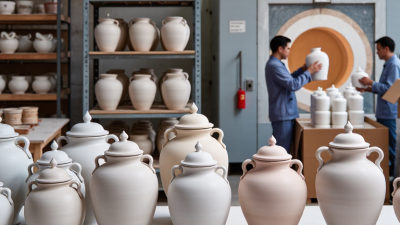
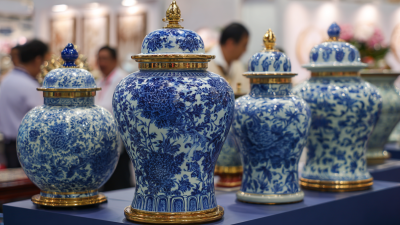
Ceramic bone ash jars are commonly made from bone-ash porcelain, a refined ceramic material known for its smooth surface, light color, and delicate translucency. Bone ash is processed under controlled conditions and blended with minerals before firing. The result feels elegant, yet it can be more fragile than stoneware. The term is not always precise. Some sellers may use it for ceramic urns designed to hold cremated remains, rather than jars made with bone-ash porcelain.

These jars are mainly used as memorial containers for cremated remains. Their sealed interiors help protect ashes from moisture, dust, and accidental contact. Many families place them on a shelf, inside a columbarium, or in a private memorial space. A practical design often includes a threaded lid, a gasket, and a stable base. Capacity matters too. A beautiful jar that cannot hold the intended remains is still a poor choice. Check dimensions carefully.

When comparing suppliers in China, buyers should request material details, firing temperature, glaze safety information, and closure specifications. Product photos can hide hairline cracks, uneven glaze, or weak lid threads. I have found that careful sample inspection prevents expensive misunderstandings. Still, ceramic quality can vary between batches. Ask for inspection records and protective export packaging. Respectful handling also matters, especially when the jar is used for human memorial purposes. Local rules may govern transport, placement, and storage, so confirm them before ordering.
Ceramic Bone Ash Jars: Typical Capacity by Use

Ceramic bone ash jars are commonly used as cremation urns to preserve, display, bury, or transport cremated remains.

The chart uses representative capacity benchmarks in cubic inches. A standard adult urn is generally designed for about 200 cubic inches, based on the common planning guideline of approximately one cubic inch of urn capacity per pound of pre-cremation body weight. Keepsake jars hold a small portion of ashes, while companion jars are designed for two adults.

Capacity ranges vary by vessel design and crematory requirements; confirm the required size before purchase.

How to Evaluate Ceramic Bone Ash Jar Suppliers in China

Evaluating ceramic bone ash jar suppliers in China requires more than comparing catalog prices. Begin with product specifications, including capacity, wall thickness, glaze finish, lid fit, and dimensional tolerance. Ask for recent production samples, not only polished showroom pieces. A well-made jar should sit evenly, close securely, and resist visible pinholes under direct light. Small flaws matter when families expect a dignified, lasting product.

Request evidence of factory capability and quality controls. A reliable supplier should explain its clay preparation, firing temperature, inspection process, and packaging method. Ask whether production is handled in-house or partly outsourced. Factory photographs are useful, but an independent audit or live video inspection offers stronger evidence. Check test records for glaze safety and confirm that materials meet the destination market’s requirements. Documentation should include invoices, packing lists, and accurate product descriptions.

Communication reveals practical reliability. Give suppliers a detailed drawing with measurements, color references, logo rules, and carton requirements. Compare how clearly they answer technical questions. Delayed replies can become costly later. Order a small trial batch before accepting large quantities. Inspect ten pieces from different cartons, then record chips, color variation, and broken lids. Perfect consistency is unrealistic with ceramic production; ignoring variation is the real mistake. A supplier may promise “zero defects,” but that phrase needs a written inspection standard. Clear terms for replacements, lead times, and payment protection reduce avoidable disputes.

China’s Top 10 Ceramic Bone Ash Jar Suppliers

China’s Top 10 Ceramic Bone Ash Jar Suppliers

A credible list of China’s top 10 ceramic bone ash jar suppliers should reflect more than factory size. Buyers should examine ceramic experience, glaze consistency, sealing quality, and export records. A reliable supplier can provide workshop photographs, material details, sample approvals, and clear production schedules. Ask whether each jar is fired at a stable temperature. Uneven firing may cause hairline cracks during transport.

Practical experience matters. Request a physical sample before placing a large order. Check the lid fit, base stability, surface smoothness, and packaging strength. Suppliers serving memorial and funeral markets should also explain customization options, including color, engraving, shape, and protective inserts. Their documents should match the actual product. Small mismatches can create costly disputes. I would not rank suppliers using online reviews alone; some reviews lack dates, product details, or independent verification.

Tips: Compare at least three samples. Confirm minimum order quantities and replacement policies in writing. Use moisture-resistant inner packaging and drop-tested cartons. Ask for a pre-shipment inspection, especially for handmade pieces. Keep communication records. This sounds basic, but it prevents confusion. Also, review destination-country rules for cremated remains, labeling, and customs clearance before ordering. A beautiful jar is not enough if the shipment cannot move legally or safely.

China Top 10 Ceramic Bone Ash Jar Suppliers
Rank Anonymous Supplier Profile Primary Product Focus Common Material Customization Capability Typical Quality Documents Export Support Recommended Verification Points
1 Large-scale ceramic manufacturer with dedicated molding and glazing lines Decorative bone ash jars and memorial urns High-fired ceramic, porcelain, or stoneware Shape, color, glaze, logo placement, packaging, and private-label production Material specification, inspection report, production samples, and packing record Usually available Confirm kiln capacity, moisture protection, drop-test procedures, and sample consistency
2 OEM-oriented factory serving memorial-product distributors Standard-size and customized cremation ash containers Glazed ceramic with metal, wood, or silicone accessories Custom dimensions, surface artwork, color matching, and accessory combinations Commercial invoice, packing list, pre-shipment inspection, and product drawings Usually available Request written confirmation of minimum order quantity, tooling fees, and lead time
3 Craft-focused ceramic workshop with small-batch production capability Hand-finished memorial jars and artistic urns Stoneware, porcelain, and hand-glazed ceramic Hand-painted patterns, limited editions, custom textures, and color variations Sample approval record, glaze specification, and workmanship inspection checklist Project dependent Evaluate color consistency, surface defects, production repeatability, and replacement policy
4 Factory specializing in ceramic religious and memorial articles Urns, keepsake vessels, remembrance ornaments, and altar ceramics High-temperature ceramic with glazed or matte finishes Relief patterns, inscriptions, decals, and protective inner fittings Product specification sheet, artwork approval, inspection photos, and carton details Commonly available Verify closure security, internal capacity, inscription durability, and export packaging
5 Mid-sized manufacturer focused on wholesale ceramic home and memorial goods Cost-efficient standard ceramic ash jars Glazed earthenware, stoneware, or porcelain Selected colors, standard molds, label application, and carton customization Basic quality inspection report, packing list, and batch photographs Available on request Compare wall thickness, net weight, internal volume, glaze coverage, and breakage rate
6 Premium ceramic producer with emphasis on design and finishing quality Luxury memorial urns and display-quality keepsake vessels Fine porcelain or high-grade stoneware Complex forms, premium glazing, metallic accents, and presentation boxes Detailed specification sheet, sample approval, color reference, and final inspection report Generally available Check finish uniformity, abrasion resistance, packaging presentation, and replacement terms
7 Custom-mold supplier combining ceramic production with product development services New designs, exclusive shapes, and retailer-specific collections Porcelain, stoneware, and custom ceramic bodies 3D drawings, prototype development, mold production, and functional revisions Technical drawing, prototype approval, mold documentation, and production inspection Available Clarify ownership of molds, prototype charges, revision limits, and tooling maintenance
8 Export-oriented ceramic supplier with consolidated packing and logistics support Bulk orders for funeral-service and memorial-product wholesalers Commercial-grade glazed ceramic Bulk color selection, barcode labels, retail cartons, and mixed-SKU orders Commercial invoice, packing list, carton markings, inspection photos, and shipping documents Strong export support Confirm container loading method, carton compression protection, insurance terms, and claims process
9 Small-to-medium supplier offering flexible minimum order quantities Trial orders, boutique collections, and personalized memorial pieces Glazed ceramic and porcelain Small-batch colors, basic decals, limited engraving, and packaging adjustments Sample confirmation, order specification, packing photos, and batch checklist Order dependent Confirm production scheduling, spare-unit policy, color tolerance, and small-order pricing
10 Integrated memorial-product supplier combining ceramic jars with accessories Ceramic urn sets with stands, plaques, bags, or keepsake containers Ceramic combined with wood, metal, fabric, or silicone components Complete sets, coordinated packaging, accessory sourcing, and gift-ready presentation Component list, assembly instructions, inspection report, and packaging specification Usually available Verify component compatibility, assembled dimensions, accessory quality, and package drop protection
Note: The ranking is a category-based purchasing reference rather than an independently verified corporate ranking. Supplier names, certifications, capacity, pricing, minimum order quantities, and delivery times should be confirmed directly before placing an order.

What Products and Services Do These Suppliers Offer?

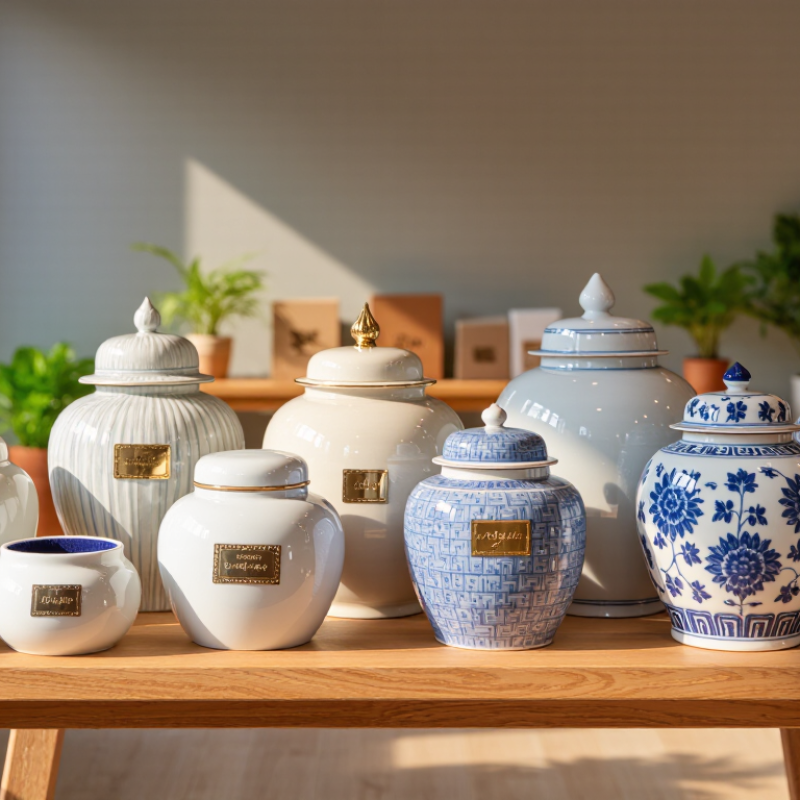
Ceramic bone ash jar suppliers usually offer more than finished memorial containers. Their products may include hand-thrown jars, molded ceramic vessels, keepsake sizes, and matching display boxes. Buyers can often choose matte, glazed, textured, or softly colored surfaces. Some suppliers provide custom shapes, engraved names, dates, symbols, or short remembrance messages. Interior capacity matters too. A beautiful jar is not useful if it cannot hold the required amount of ash.

Reliable suppliers explain clay composition, firing temperature, glaze safety, and quality inspection methods. They may provide sample photos, digital proofs, packaging tests, and replacement support for transit damage. Some also manage small orders, bulk production, private labeling, and export documentation. Ask whether dimensions are measured externally or internally. This small detail causes confusion. Delivery estimates should include production time, inspection, and shipping delays.

Tips: Request a physical sample before placing a large order. Check the lid fit by gently turning the jar upside down. Review the engraving proof carefully, especially names and dates. Confirm ethical handling, lawful shipping requirements, and respectful packaging for memorial use. Suppliers should answer clearly, not hide behind vague promises. A polished catalog is helpful, but consistent workmanship matters more. Even experienced buyers can overlook color differences between screen images and finished ceramic.

How to Select the Right Chinese Supplier for Your Needs

China Top 10 Ceramic Bone Ash Jar Suppliers: How to Select the Right Chinese Supplier for Your Needs

Demand is becoming more specialized. The National Funeral Directors Association’s 2024 Cremation and Burial Report projects a 61.9% cremation rate in the United States for 2024. This shift increases interest in durable, well-finished memorial containers. However, a supplier list is only a starting point. Your buyer profile, order volume, decoration needs, and delivery market should guide the decision.

Request a complete sample before discussing large production. Check the lid fit, wall thickness, glaze consistency, base stability, and internal capacity. Measure twice. Ask for written tolerances, firing temperatures, packaging specifications, and batch inspection records. ISO 9001 certification can indicate process discipline, but it does not guarantee every shipment will meet your requirements. Independent pre-shipment inspection adds stronger evidence. Ceramic breakage often begins with weak cartons, not poor clay.

Compare suppliers using landed cost rather than unit price. Include tooling, inspection, export packing, freight, customs handling, and replacement allowances. The International Trade Centre recommends examining supplier reliability, product conformity, and delivery performance when assessing international sourcing risks. That framework is practical here. Ask how defects are recorded and resolved. A clear corrective-action process matters. I would also request two production samples from different batches. They may not match perfectly, and that is worth confronting early. Photographs can hide slight color variation, uneven glazing, or hairline cracks. Use a written specification sheet, signed sample, and realistic delivery schedule before placing a deposit.