Top 10 Ceramic Mug Designs in China You Need to Check Out?
In recent years, the ceramic mug market has seen significant growth, particularly in China. According to a report by Statista, the global ceramic mug market size reached USD 15 billion in 2022 and is projected to expand steadily. The craftsmanship behind ceramic mugs plays a crucial role in this expansion. Many manufacturers focus on elegant designs and functional features that cater to diverse consumer tastes.
Chinese ceramics have a rich history that influences modern designs. Contemporary ceramic mugs often blend traditional artistry with modern aesthetics. This combination enhances their appeal in domestic and international markets. Yet, one must reflect on the sustainability of these products. The environmental impact of ceramics production remains a concern. Innovations are needed to ensure responsible sourcing and manufacturing.
Exploring the top ceramic mug designs in China reveals a landscape full of creativity. Each design embodies culture and individual expression. These mugs not only serve utility but also tell a story. However, consumers should be aware of quality variations among manufacturers. Understanding these nuances is essential for making informed choices.
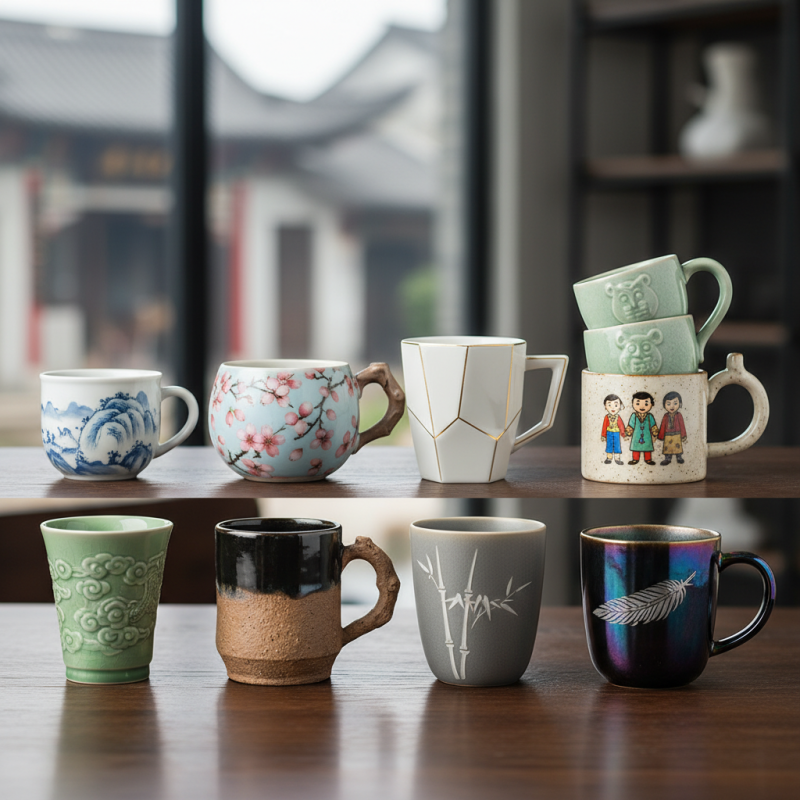
Top Ceramic Mug Designs: Understanding Trends in Chinese Pottery
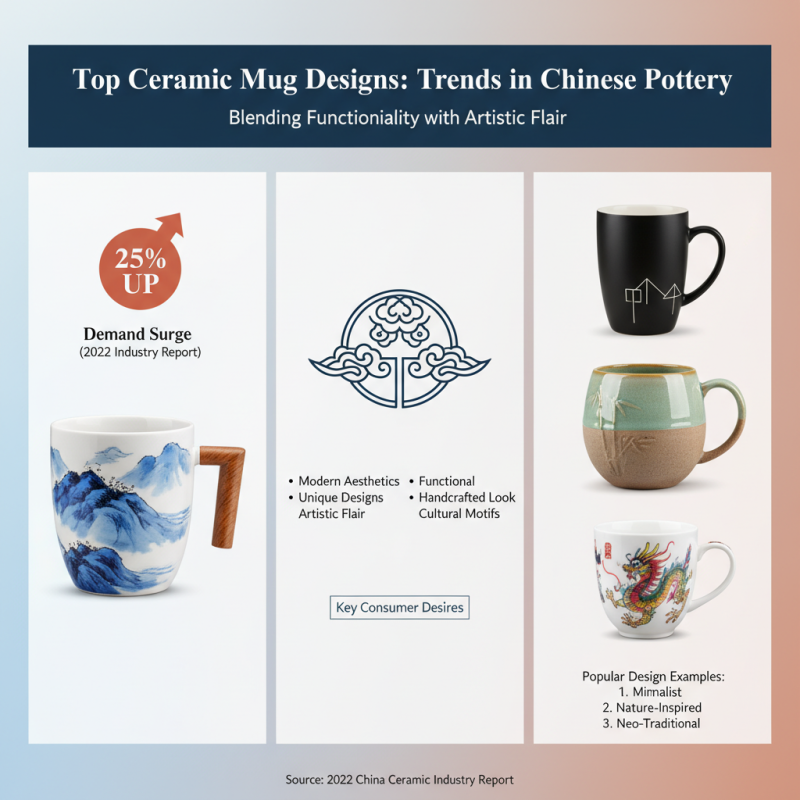
The ceramic mug market in China is thriving, reflecting modern aesthetic trends. According to a 2022 industry report, demand for unique mug designs surged by 25%. Consumers are looking for pieces that blend functionality with artistic flair.
One emerging trend is the use of traditional techniques in contemporary styles. Many artisans incorporate ancient glaze methods, merging heritage with modern designs. This fusion appeals to younger buyers who value both history and innovation. However, there's a risk of over-commercializing this craft, potentially diluting its authentic value.
Sustainability is another growing trend in ceramic mug design. Eco-conscious consumers are prioritizing mugs made from local materials. A recent survey indicated that 70% of participants prefer products that support environmental initiatives. Still, the challenge remains in balancing aesthetic appeal with sustainable practices. Many designers strive to create stunning pieces while addressing environmental impacts. This reflects the ongoing dialogue between art and responsibility in Chinese pottery today.
Historical Significance of Ceramic Mugs in Chinese Culture
Ceramic mugs hold a unique place in Chinese culture, tracing back over a thousand years. They are not just vessels but symbols of artistry and craftsmanship. Historical reports indicate that ceramic production in China began during the Shang Dynasty (1600-1046 BC). By the Song Dynasty (960-1279 AD), ceramics reached a sophisticated level, reflecting the nation's rich heritage.
In modern times, a report by the China Ceramics Industry Association highlighted that the ceramic mug market is worth over $9 billion. This growth showcases the enduring appeal of ceramic designs, from classic blue and white patterns to contemporary styles. However, the rise of mass production presents challenges. Many artisans struggle to compete with cheaper, low-quality mass-produced mugs.
**Tip:** When choosing a ceramic mug, look for handcrafted items over mass-produced ones. The artistry often tells a story and carries a sense of history. It's also wise to check if the materials used are food safe.
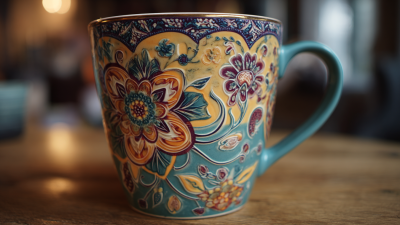
In addition, ceramic mugs often feature imagery that reflects cultural stories or landscapes. Some artisans incorporate traditional Chinese motifs, like dragons or cherry blossoms, which hold specific meanings. Yet, as globalization progresses, preserving these unique designs is becoming more difficult. Balancing tradition and innovation is essential for the future of ceramic mugs in China.
Top 10 Ceramic Mug Designs in China
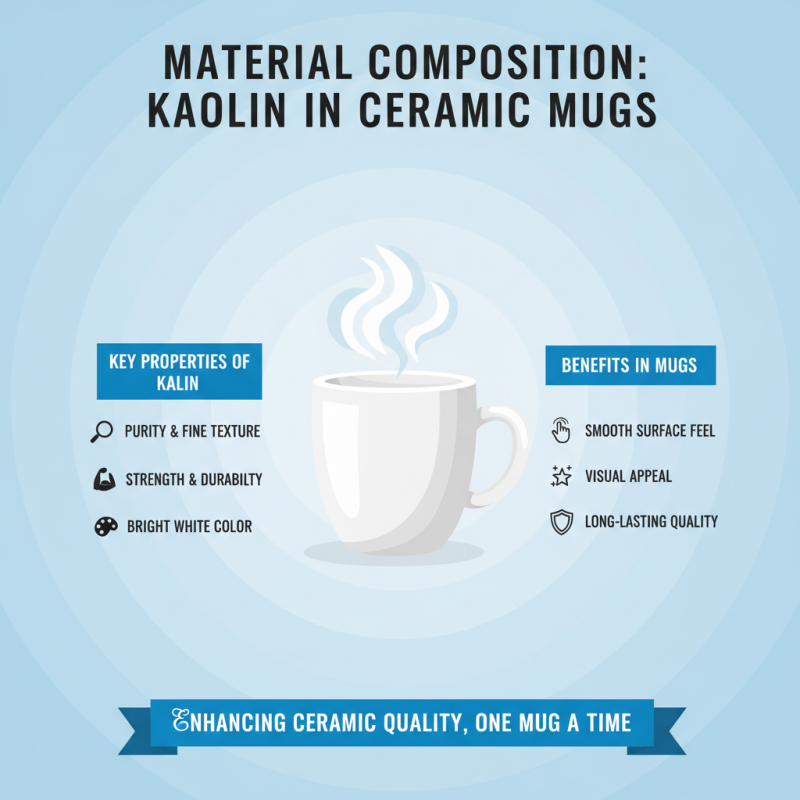
Material Composition: The Role of Kaolin in Quality Ceramic Mugs
In the world of ceramic mugs, kaolin plays a crucial role. Kaolin, a type of clay, is known for its purity and fine texture. It significantly enhances the quality of ceramic products. Mugs made with kaolin have a smooth surface, which feels great against the lips. They also boast a bright white color, making them visually appealing. The unique properties of kaolin improve the strength and durability of these mugs.
However, not all kaolin is created equal. The sourcing and processing of this clay can impact the final product's quality. Some manufacturers may not prioritize high-quality kaolin, leading to mugs that chip easily. Additionally, ceramics with insufficient kaolin may lack the vibrant glaze finish. These imperfections can affect the overall experience. It is essential for consumers to pay attention to the materials used in ceramic mugs. Focusing on kaolin can help ensure that you choose mugs that stand the test of time and enhance your daily coffee ritual.
Innovative Techniques: Craftsmanship Behind Popular Chinese Mug Designs
Chinese ceramic mugs stand out due to their unique craftsmanship. Artisans blend traditional techniques with modern aesthetics. Many designs showcase intricate patterns that often tell a story. The use of vibrant glazes adds depth, enhancing the visual appeal.
Hand-painting is a common method, which reflects an artist's skill and emotion. It involves a meticulous process, where every brushstroke counts. Sometimes, imperfections add character, making each mug distinctive. The challenge lies in maintaining consistency while embracing spontaneity. Techniques like celadon or blue-and-white porcelain offer a glimpse into China's rich history.
Despite the precision in techniques, some mugs might have minor flaws. A slight unevenness may appear in the glaze or pattern. These imperfections provoke thought about the craftsmanship behind each piece. They remind us that even in art, perfection is subjective. Such intricacies make these mugs not just vessels but stories waiting to be told.
Market Analysis: Consumer Preferences for Ceramic Mugs in China
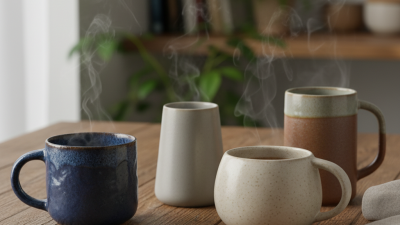
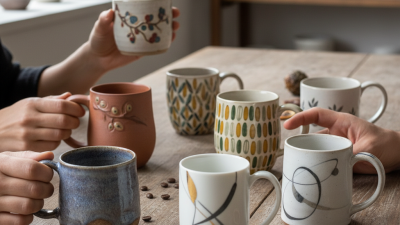
Consumer preferences for ceramic mugs in China have evolved significantly. According to recent industry reports, 65% of consumers prioritize design over functionality. This indicates a strong inclination toward aesthetics. Functional mugs are still essential, but consumers prefer unique styles that reflect their personal tastes. Popular designs include minimalist patterns, vibrant colors, and nature-inspired motifs.
Research shows that around 70% of Chinese consumers enjoy personalized mugs. Customization allows for individual expression. Additionally, the rising trend of eco-consciousness is impacting choices. Many consumers are now opting for mugs produced from sustainable materials. The growing awareness about the environment is shaping how manufacturers develop new products.
However, there are challenges. The market is flooded with options, making it tough for consumers to choose. Many feel overwhelmed by available designs. Moreover, price sensitivity remains an issue, particularly among younger buyers. They seek quality but often have limited budgets. Balancing affordability with artistry is crucial for producers. This evolving landscape reflects a complex interplay between trends, preferences, and challenges facing consumers in China today.
Top 10 Ceramic Mug Designs in China
| Design Name |
Color Palette |
Style |
Capacity (ml) |
Price (RMB) |
Popularity Rating (1-5) |
| Floral Elegance |
Pastel Pink, Green |
Vintage |
350 |
95 |
4.7 |
| Modern Minimalist |
White, Grey |
Minimalist |
400 |
85 |
4.5 |
| Artistic Abstract |
Bold Blue, Red |
Abstract |
300 |
110 |
4.8 |
| Traditional Chinese |
Red, Gold |
Cultural |
450 |
150 |
5.0 |
| Nature Inspired |
Earth Tones |
Organic |
350 |
70 |
4.3 |
| Cute Animal |
Bright Colors |
Cute |
300 |
60 |
4.2 |
| Galaxy Design |
Black, Purple, Blue |
Cosmic |
400 |
120 |
4.6 |
| Geometric Patterns |
Monochrome |
Geometric |
350 |
80 |
4.4 |
| Elegant Script |
Gold Accents |
Elegant |
380 |
130 |
4.9 |
| Personalized Mugs |
Custom Colors |
Customizable |
400 |
160 |
4.6 |