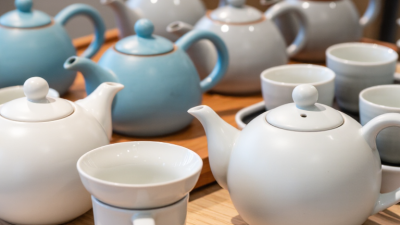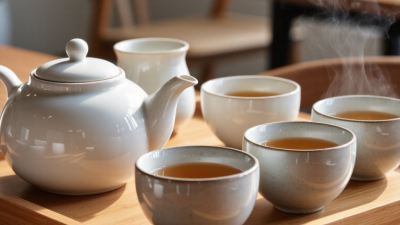




Choosing a Ceramic Tea Pot Set in 2026 is not only about matching cups to a kitchen shelf. The right choice should suit how you brew, pour, clean, and share tea. Small details matter. A pot that looks elegant online may feel heavy when filled or drip from its spout. Those are ordinary problems, but they shape daily use.
Start with capacity. A small pot works well for one or two people, while a larger one may keep a group served without constant refilling. Check the handle’s grip, the lid’s fit, and whether the spout pours smoothly. Product photos rarely reveal balance, so read dimensions and buyer feedback carefully. If you can inspect the set in person, lift the pot and test its lid gently. It should feel secure, not awkward. A beautiful glaze cannot fix a poor pour.
Material and care deserve equal attention. Look for clear information about the ceramic, glaze, and suitability for food contact, along with practical washing instructions. Glazed surfaces are often easier to clean, while unglazed interiors may need more specific care. Do not assume every ceramic set is microwave- or dishwasher-safe; check the maker’s guidance. Color, texture, and cup shape are personal choices, and preferences can change after a few weeks of use. I would not treat any checklist as a guarantee. Consider your routine, compare details, and choose a set you will enjoy using—not just displaying.
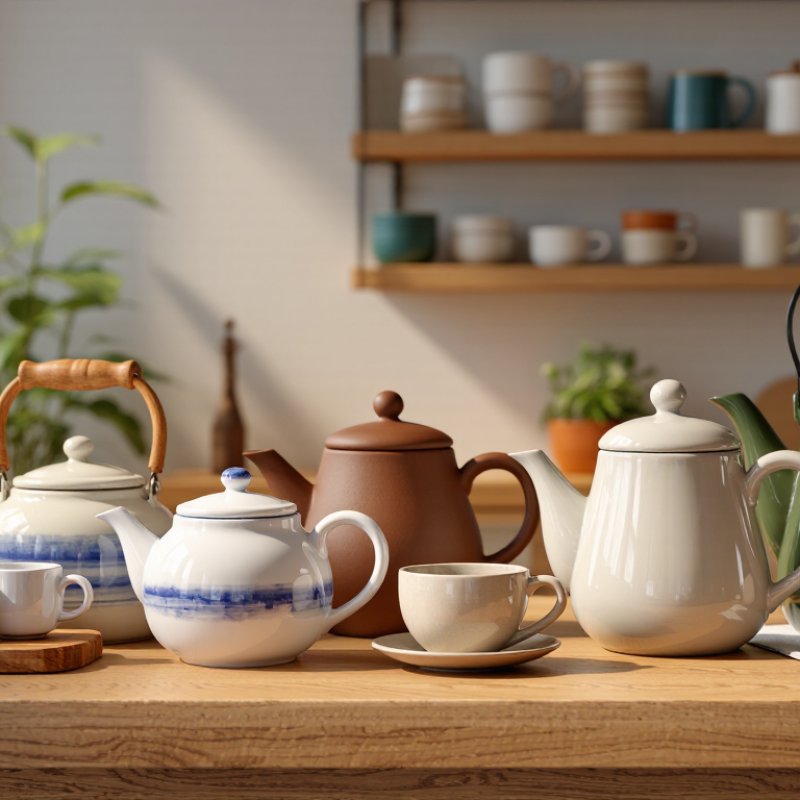
Before choosing a ceramic tea pot set, decide what you brew most often and how you like to drink it. Green tea usually benefits from cooler water and a shorter steep, while many black teas tolerate hotter water and longer contact. For white and oolong teas, leaf style and personal taste matter; one fixed recipe rarely fits every cup. A useful professional benchmark is ISO 3103:2019, which specifies 2 grams of tea per 100 milliliters of water and a six-minute infusion for sensory comparison. It is a testing method, not a universal home-brewing rule. Still, it shows why pot capacity and a roomy infuser matter: tightly packed leaves cannot open evenly.
Match the set to your routine. A small pot suits concentrated, repeated infusions; a larger one works better when several people share tea. Choose a removable infuser if you switch between fine green leaves and larger rolled oolong. Check that the lid sits securely and that the spout pours cleanly over a cup. Small details matter. I still sometimes buy a pot that looks right, then discover its infuser holds too little leaf. Measure your usual serving before shopping, and consider whether you want to stop the brew by removing the leaves or pouring the liquor into another vessel. (ISO 3103:2019, Tea—Preparation of liquor for use in sensory tests)
Start with the teas you drink most, the number of people you serve, and how much control you want over steeping. The suggestions below are practical starting points; tea quantity, water temperature, and steeping time can be adjusted to suit the tea and your taste.
| Tea-Brewing Need or Tea Type | Useful Teapot Features | Ceramic Considerations | Starting Brew Guidance | Set-Choosing Tip |
|---|---|---|---|---|
| Green tea; delicate flavor and lower-temperature brewing | A roomy basket or built-in infuser that lets leaves expand; a lid that can be lifted easily to check the leaves | Glazed porcelain or glazed stoneware is easy to clean and does not readily retain the flavors of previous brews. | Try water around 70–85°C (158–185°F) and a short initial steep; adjust according to the specific tea. | Choose a pot with a removable infuser if you want to stop steeping promptly and reduce the chance of over-steeping. |
| Black tea; stronger flavor or milk-and-tea service | A stable handle, a well-fitting lid, and a spout that pours cleanly; a moderate-to-large capacity may suit serving several cups. | Glazed stoneware and porcelain are both practical options. A thicker stoneware pot may feel more substantial, while porcelain is often lighter. | Try water around 90–100°C (194–212°F); steeping for about 3–5 minutes is a common starting point. | Match capacity to the number of servings rather than choosing the largest set; smaller batches can be easier to serve fresh. |
| White tea; gentle, lightly flavored infusions | A smaller or medium pot with enough room for loose leaves to open; a removable infuser helps with shorter steeps. | Glazed porcelain offers a smooth, easy-to-clean surface. Glazed stoneware is also suitable for everyday brewing. | Try water around 75–90°C (167–194°F), then adjust steeping time and temperature to the tea’s style. | Look for a lid and infuser that are easy to handle, especially if you plan to make several short infusions. |
| Oolong tea; repeated infusions and varied leaf shapes | A wide-bodied pot or spacious infuser that allows rolled or larger leaves to unfurl; a lid that stays secure while pouring | Glazed ceramic is a versatile choice for brewing different teas. Unglazed porous surfaces can retain aroma and may be less suitable for frequent tea changes. | Try water around 85–100°C (185–212°F). Use short initial infusions and adjust across subsequent steeps. | Prioritize leaf-expansion space over decorative extras if loose-leaf oolong is your regular choice. |
| Herbal infusions; larger leaves, flowers, or mixed ingredients | A broad, removable basket or infuser with openings suited to the ingredients; a generous pot opening makes filling and cleaning easier. | Glazed surfaces are practical because they are generally easier to rinse clean after aromatic blends. | Many herbal infusions are prepared with freshly boiled water and a longer steep; follow the ingredient or blend directions. | Check that the infuser is easy to remove and that fine ingredients will not pass through its openings. |
| One-person brewing or limited counter space | A compact pot, comfortable grip, and a capacity suited to one or two cups; a removable infuser can make single servings simpler. | Porcelain is often relatively lightweight; compare the filled weight and handle comfort where possible. | Use the temperature and steeping guidance for your chosen tea type, scaled to the smaller quantity. | Check the stated usable capacity, not only the pot’s outer dimensions. |
| Serving several people at once | A larger capacity, balanced handle, steady base, and spout designed for controlled pouring | Stoneware may feel heavier, so consider the full pot’s weight and whether the handle is comfortable when pouring. | Prepare an amount that can be served soon after brewing to keep the tea from steeping longer than intended. | Compare the pot’s capacity with the cups included in the set; cup sizes and pot capacities vary. |
| Easy everyday care | A wide opening, removable infuser, and simple lid design with few hard-to-reach areas | Confirm care instructions before purchase. Ceramic pieces may be dishwasher- or microwave-safe only when the maker specifically says so; metallic decoration can affect microwave suitability. | Rinse the pot and infuser after use, and let them dry fully before storage. | Do not assume that every ceramic teapot or cup is suitable for a dishwasher, microwave, or stovetop. |
Before buying: Check the stated capacity, included pieces, infuser material, care instructions, and whether the set is intended for direct stovetop use. Most ceramic teapots are designed for brewing with hot water poured into them, not for heating directly on a burner.