

65337edc2x

Leave Your Message

Why Choose a Ceramic Tea Pot Set for Your Business?

Choosing the right tableware can quietly shape how customers remember your business. A Ceramic Tea Pot Set offers more than a vessel for hot tea. It creates a visible ritual, from the first pour to the final empty cup.

In cafés, hotels, and specialty tea shops, ceramic provides a warm tactile experience. Its solid walls can help maintain serving temperature, while glazed surfaces support easier cleaning. Customers also notice weight, balance, lid fit, and the smoothness of the handle. Small details matter. A poorly fitted lid can damage service speed and customer confidence.

Ceramic artist and author Edmund de Waal has observed, “I am interested in the way that objects carry meaning.” This idea applies directly to commercial tea service. A thoughtfully selected Ceramic Tea Pot Set can express calmness, craftsmanship, cultural character, or modern simplicity. Shape, color, and finish can also support a brand’s interior design and menu concept.

However, ceramic is not automatically the perfect choice. It may chip when handled carelessly, and some finishes show stains more clearly than expected. Businesses should test capacity, heat performance, dishwasher tolerance, and replacement availability before purchasing in volume. We learned this through practical use: attractive pieces do not always perform well during busy service.

The strongest choice balances beauty with repeatable operation. It should feel distinctive, yet remain easy to clean, store, and replace. That balance deserves careful attention.
Why Choose a Ceramic Tea Pot Set for Your Business?

What Is a Ceramic Tea Pot Set?

Why Choose a Ceramic Tea Pot Set for Your Business?

What Is a Ceramic Tea Pot Set?

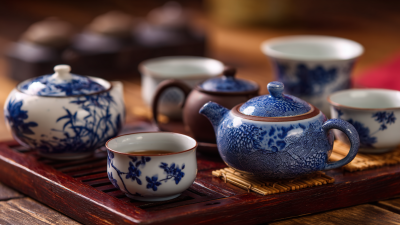
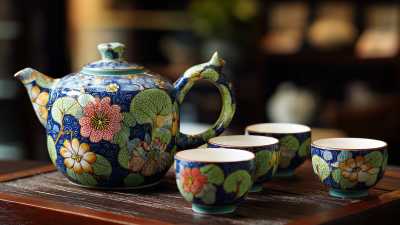
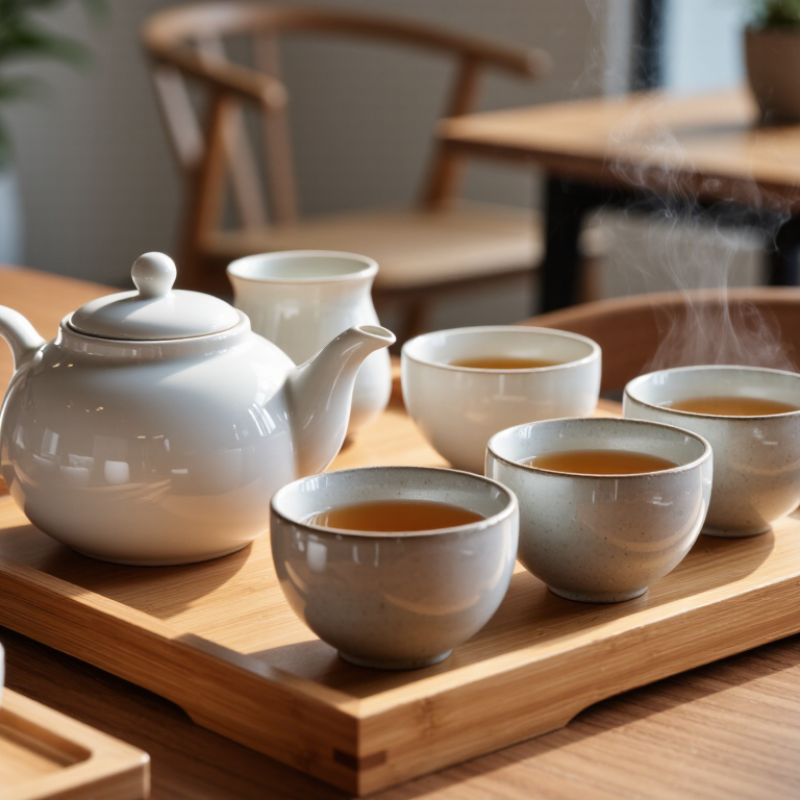
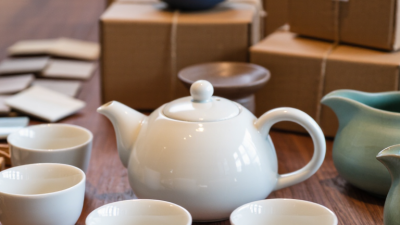
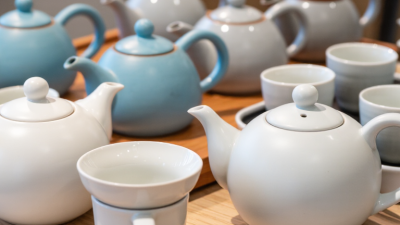
A ceramic tea pot set combines a teapot with matching cups, a lid, and sometimes a strainer or serving tray. Each piece is usually fired clay with a glazed surface. The glaze helps resist stains and supports easier cleaning between services. It also creates a smooth, warm visual experience on a café table.

For businesses, the set is more than decoration. A well-made ceramic pot retains heat reasonably well and pours with controlled flow. Its weight can make service feel stable, especially beside pastries or a light lunch. According to Grand View Research, the global ceramic tableware market was valued at approximately USD 10.84 billion in 2023. The report also projects continued growth through 2030, reflecting strong demand for durable, presentation-focused dining products.

Practical details matter. A business should check handle comfort, lid fit, glaze consistency, and dishwasher guidance before ordering. Small flaws can become expensive. Some ceramic pieces chip when stacked carelessly, and darker glazes may hide hairline damage. I have found that matching sets improve table presentation, but uniformity can feel less personal. The better choice depends on service style, washing capacity, and replacement needs. Market reports can also classify ceramic products differently, so their figures deserve careful reading rather than blind acceptance.
How Ceramic Tea Pot Sets Support Business Needs

A ceramic tea pot set can support daily business operations in practical ways. In a café, hotel, or office, matching pots create a consistent serving experience. Guests notice small details, such as a balanced handle or a smooth pour. These details influence comfort and perceived quality.

Ceramic holds heat steadily and protects tea from metallic tastes. A well-designed pot can serve several cups without constant refilling. This helps staff during busy breakfast periods or client meetings. The material also offers useful customization through shapes, colors, and surface finishes. Food-contact glazes should be tested and maintained according to relevant safety requirements.

Durability matters more than appearance alone. Thick walls may resist minor temperature changes, but ceramic can still chip or break. It needs careful storage. I have seen attractive sets become costly when handles loosen or lids fit poorly. Businesses should test pouring, cleaning, stacking, and replacement availability before ordering in volume. Dishwasher compatibility can save labor, although repeated washing may affect some finishes. A thoughtful purchasing decision considers both presentation and the less glamorous work behind it.

Key Features to Evaluate Before Buying

A ceramic tea pot set can improve a business’s serving ritual, but appearance should not lead the buying decision. Grand View Research estimates that the global ceramic tableware market reached about USD 10.8 billion in 2023. That growth increases supplier choice, but quality varies widely. Test the pot before placing a large order.

Evaluate heat retention, capacity, glaze safety, and pouring control. A dense ceramic body should keep tea warm without becoming dangerously hot to handle. Ask suppliers for water absorption and thermal shock data. ASTM C373 provides a recognized method for measuring ceramic water absorption. Low absorption usually supports better durability and easier cleaning. Check the lid fit with a filled pot. A loose lid becomes a daily inconvenience.

Business buyers should also inspect handle balance, spout flow, stackability, and replacement availability. Foodservice operations need sets that survive repeated washing and busy table service. Euromonitor’s consumer research continues to show strong interest in at-home tea preparation, yet commercial settings demand greater consistency. Customer preferences can change quickly. I have learned that a beautiful pot may still pour poorly. Request production samples, measure actual capacity, and compare ten repeated pours. Small defects often appear later. Do not rely on photographs alone.

Why Choose a Ceramic Tea Pot Set for Your Business? - Key Features to Evaluate Before Buying

Evaluation Dimension Typical Business Requirement Recommended Specification Business Benefit What to Check Before Buying
Material Safety Safe contact with hot water and tea for regular commercial use Food-contact-safe ceramic with a lead- and cadmium-compliant glaze Supports customer safety and helps meet applicable food-contact requirements Request food-contact documentation and verify that the glaze is fully fired and intact
Capacity Serve individual customers, small groups, or tea-tasting sessions Approximately 400–1,200 ml, depending on the service format Makes portion planning easier and reduces unnecessary tea waste Compare stated capacity with usable capacity below the lid and infuser
Heat Retention Keep tea warm during normal table service without continued heating Medium- to thick-wall ceramic with an even, fully fired body Improves the drinking experience and reduces repeat brewing during service Ask for wall-thickness details and conduct a practical warm-water retention test
Thermal Shock Resistance Withstand routine changes from warm rinsing to hot brewing Uniformly fired ceramic designed for hot beverage service Can lower the risk of cracking caused by abrupt temperature changes Follow the supplier’s temperature guidance; avoid pouring boiling water into a chilled pot
Pouring Performance Deliver a controlled pour with minimal dripping at the table Balanced handle, shaped spout, secure lid, and stable base Improves speed, presentation, and staff handling consistency Test the pour from different fill levels and check whether the lid stays secure
Infuser Design Brew loose-leaf tea while limiting leaves in the serving cup Removable stainless-steel or ceramic infuser with fine, evenly distributed openings Supports multiple tea types and simplifies cleaning between orders Check opening size, fit, removal method, and compatibility with dishwasher cleaning
Durability Maintain appearance and function through frequent daily handling Even glaze, no visible pinholes, stable foot ring, and reinforced high-stress areas May reduce replacement frequency and protect the business’s tableware investment Inspect rims, handles, spouts, lids, and bases for chips, warping, or glaze defects
Cleaning and Maintenance Allow fast cleaning between service periods and minimize tea-stain buildup Smooth, non-porous glazed interior with removable components Reduces labor time and supports consistent hygiene procedures Confirm dishwasher suitability, stain-cleaning instructions, and whether parts are replaceable
Set Components Create a consistent presentation across tables or service stations Teapot with matching lid, infuser, cups, saucers, and serving tray when required Simplifies purchasing and creates a coordinated customer experience Confirm the exact piece count, dimensions, packaging, and replacement availability
Ergonomics and Stability Enable staff and customers to lift, pour, and place the set safely Comfortable handle clearance, balanced weight, non-slip base, and cool-touch lid knob Helps reduce spills, burns, and service interruptions Perform a filled-weight and one-handed pouring test before placing a bulk order
Customization Potential Match the tableware with a café, restaurant, hotel, or retail concept Available color, shape, size, decoration, and packaging options Can strengthen visual consistency and support themed service presentation Check minimum order quantities, decoration durability, sample approval, and lead time
Packaging and Logistics Receive fragile ceramic sets with minimal transit damage Individual protective packing, reinforced master cartons, and clear carton markings Helps control damage-related costs and inventory delays Review drop-test practices, insurance terms, carton dimensions, and inspection procedures
Total Cost of Ownership Balance purchase price with breakage, cleaning, replacement, and freight costs Evaluate unit price together with expected service life and replacement-part cost Supports a more accurate purchasing decision than comparing price alone Calculate landed cost per set and request written terms for defects and replacements

Benefits for Hospitality, Retail, and Corporate Use

Why Choose a Ceramic Tea Pot Set for Your Business?

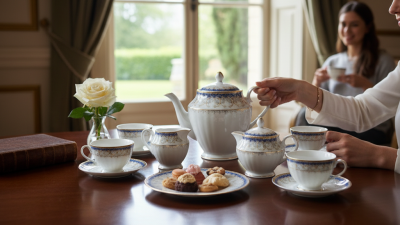
For hospitality venues, ceramic tea pot sets create a calm, tactile service moment. A warm pot, textured handle, and visible tea leaves feel more personal than a disposable cup. The National Restaurant Association’s 2024 industry report projected United States restaurant sales above $1 trillion. That scale makes small service details commercially meaningful. Ceramic also holds heat steadily and supports repeated table presentation.

However, thick pots may be heavy for busy staff. The benefit depends on practical design.

Retailers can sell ceramic sets as complete lifestyle products, not simple drinkware. Customers often want a coordinated pot, cups, strainer, and gift box. The Global Wellness Institute reported that the global wellness economy reached $6.3 trillion in 2023. Tea rituals fit this growing interest in mindful daily habits. Corporate offices can use durable sets in meeting rooms, reception areas, and employee lounges. A shared pot can make a ten-minute break feel intentional. Still, some offices may prefer dishwasher-safe materials and stackable shapes. That limitation deserves attention.

Tips: Choose lead-free, food-contact-safe ceramics with clear care instructions. Test the lid, handle, and pouring angle before ordering. Keep one sample set in daily use for a week. Record breakage, cleaning time, and staff feedback. A beautiful set that slows service is not a smart investment. The best choice balances appearance, safety, durability, and actual workflow.

How to Choose the Right Set for Your Business

Choosing the right ceramic tea pot set starts with service conditions, not appearance. A café serving twenty tables needs different equipment from a boutique gift shop. Measure average pours, table size, washing temperature, and replacement speed. A 700-millilitre pot suits two or three cups. A 1.2-litre pot supports shared service, but becomes heavy when full. Small details matter. Check lid fit, spout control, handle clearance, and glaze consistency under bright lighting.

Demand also deserves attention. FAOSTAT recorded global tea production at approximately 6.5 million tonnes in 2022, showing the scale of this beverage sector. The 2024 Grand View Research tableware analysis projects continued market growth through 2030, supported by foodservice and hospitality demand. For business buyers, this suggests choosing durable sets that can handle repeated service, not merely attractive pieces for occasional display. Select food-contact-safe glaze, smooth interiors, and stable bases. These features support cleaning routines and reduce hidden labour.

Run a small trial before placing a large order. Test pouring with wet hands, stack ten sets, and inspect them after repeated dishwasher cycles. Ask staff for honest feedback. They may dislike a beautiful handle. No set is perfect. A slightly thicker pot may retain heat better but increase shipping weight and breakage risk. Record the cost per usable service, including damaged replacements, washing time, and storage space. The cheapest quotation can become expensive later. A thoughtful set should fit your menu, workflow, and customer expectations.