

65337edc2x

Leave Your Message

China Best Ceramic Tea Pot Set Wholesale Supplier

China remains a major sourcing base for ceramic tableware, supported by mature manufacturing clusters and export infrastructure. For buyers, selecting a China Best Ceramic Tea Pot Set Wholesale Supplier requires more than comparing prices. Product consistency, food-contact safety, packaging strength, and delivery reliability directly affect retail performance.

According to Grand View Research, the global ceramic tableware market is expected to grow steadily through the decade, driven by household use, hospitality demand, and premium dining trends. Its analysis also highlights rising interest in durable and visually distinctive tableware. Meanwhile, the International Tea Committee continues to report strong global tea production, reinforcing demand for practical brewing products. These figures provide useful direction, although market forecasts differ by research method. Forecasts are not guarantees.

A dependable Ceramic Tea Pot Set supplier should provide clear specifications for clay composition, glaze quality, firing temperature, capacity, and weight. Buyers should request samples before confirming bulk orders. A smooth glaze, balanced lid, secure handle, and fine pouring edge can reveal production discipline. Testing records for lead and cadmium migration should also be available for the destination market. Packaging deserves equal attention, especially for long-distance shipments involving individual gift boxes and protective inserts.

Experience matters. Details matter. A supplier may offer attractive prices but still fail through inconsistent colors or weak cartons. This is where factory audits, production photos, inspection reports, and transparent communication become valuable. No supplier is perfect, and even experienced buyers can overlook small defects. Careful sampling, realistic lead times, and written quality standards create a safer wholesale decision.
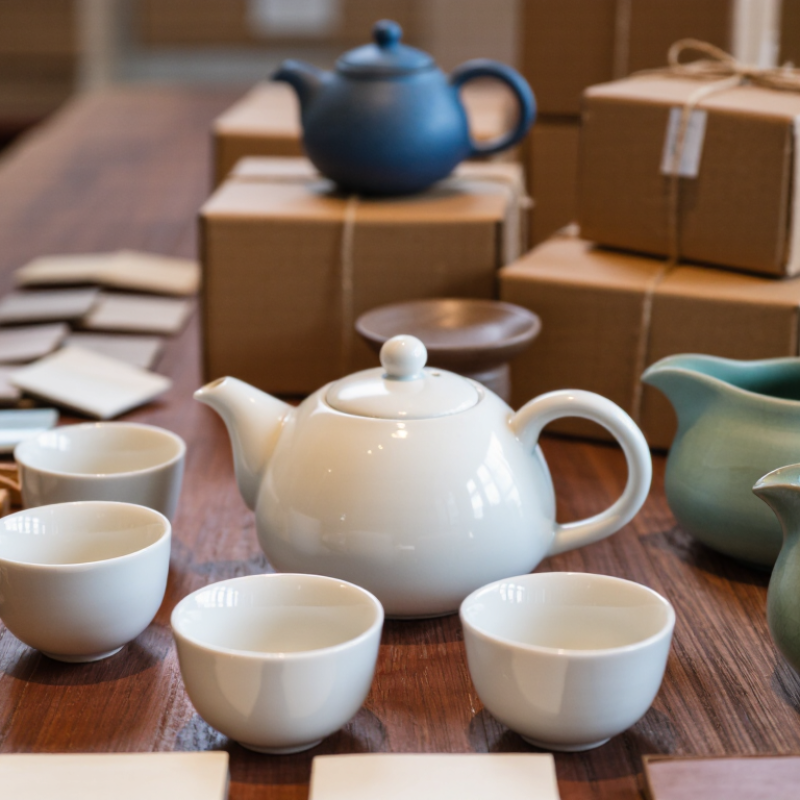
China Best Ceramic Tea Pot Set Wholesale Supplier

Ceramic Tea Pot Sets: Definition, Components, and Uses

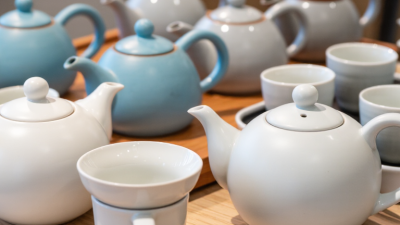
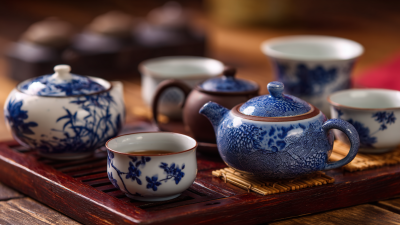
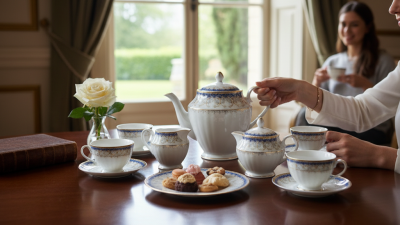
Ceramic tea pot sets are coordinated tableware collections designed for brewing and serving tea. A typical set includes one teapot, several cups, and a matching tray or strainer. Some sets also contain a sugar bowl, milk jug, or spare lid. The teapot usually has a body, handle, spout, lid, and inner filter. Each part affects daily use.

Ceramic retains heat steadily and gives tea a clean, neutral taste. Its glazed surface is easier to wash than unglazed clay. However, thick walls may slow temperature changes and make the pot feel heavy. Small cups often cool tea quickly. That contrast can be useful for tasting, but less practical for long conversations. Different teas need different capacities, from compact pots for concentrated leaves to larger pots for shared service.

In wholesale sourcing, a reliable supplier should explain clay composition, glaze quality, firing temperature, dimensions, and packing methods. Buyers should inspect the lid fit, spout flow, handle balance, and cup rims. A well-made glaze appears even, without pinholes, crawling, or sharp edges. Sample testing matters. One attractive photograph proves very little. We once found that a beautiful set had an inconveniently narrow filter opening, which made cleaning frustrating. That detail deserves more attention than decoration. Packaging should separate each piece with fitted protection, especially during long-distance shipment from China. Steady quality is more valuable than a low quotation.
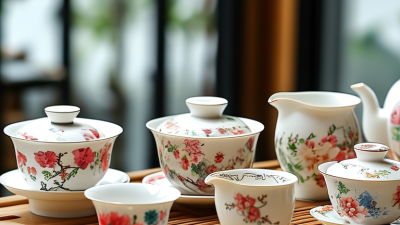
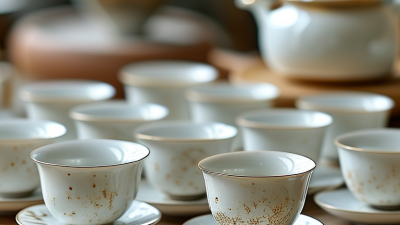
China’s Ceramic Tea Pot Manufacturing Industry

China’s ceramic tea pot manufacturing industry combines traditional craft with modern factory control. Skilled workers shape clay, trim spouts, and inspect every lid fit by hand. Many production areas use high-temperature firing, which improves strength and glaze stability. Still, small differences can appear between batches. That reality matters to wholesale buyers.

Experienced suppliers usually control clay moisture, wall thickness, firing temperature, and glaze coverage. These details affect pouring, heat retention, and breakage rates.

During factory visits, buyers should examine sample teapots under natural light. Check the handle balance. Test the filter holes. A beautiful surface is not enough.

Some suppliers may promise fast production, but rushed drying can create hidden cracks. I have found that clear sample approval prevents many later disputes.

Tips: Request a full material description and food-contact safety documents. Confirm logo, color, packaging, carton strength, and replacement terms in writing. Ask for a pre-shipment inspection, especially for large wholesale orders. Leave space for realistic production time. Ceramic work is precise, yet never perfectly uniform. That is part of its character, but excessive variation needs correction.

How to Evaluate a Wholesale Tea Pot Set Supplier

China Best Ceramic Tea Pot Set Wholesale Supplier

A reliable wholesale supplier should prove quality before discussing price. Grand View Research estimates the global ceramic tableware market will grow at roughly 6% annually through 2030. This growth attracts new factories, but capacity claims can be difficult to verify. Ask for kiln records, monthly output, and recent export documentation. A factory audit, even by video, can reveal crowded storage, poor glazing, or weak packaging.

Samples reveal more. Request three production samples, not one showroom piece. Check lid fitting, handle strength, glaze uniformity, volume accuracy, and staining after repeated use. The European Commission’s food-contact guidance emphasizes migration control for ceramic articles. Suppliers should provide current laboratory reports for lead and cadmium testing. ISO 2859-1 sampling methods can also support a fair inspection plan. Define acceptable defect levels before production begins.

Cost needs careful reading. A low quotation may exclude molds, inner cartons, breakage allowances, or replacement pieces. The World Bank’s 2024 commodity outlook shows continuing volatility in freight and energy costs, which can affect delivered pricing. Compare FOB and DDP quotations on the same specifications. I once treated a polished sample as proof of factory consistency. That was a mistake. Production photos, batch inspections, and a small trial order provide stronger evidence. Numbers can mislead. A supplier who answers slowly may still produce excellent ceramics, but unclear answers create avoidable purchasing risk.

Customization, Quality Control, and Product Standards

A reliable ceramic tea pot set wholesale supplier in China should treat customization as a controlled process, not a simple decoration request.

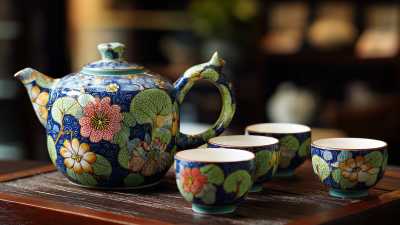
Buyers can adjust pot capacity, handle shape, lid fit, glaze color, logo placement, and packaging. Each change needs a written specification. Small details matter. A lid that shifts during pouring can damage the user experience, even when the set looks attractive.

Quality control should begin with raw clay and continue through firing.

Experienced teams inspect wall thickness, surface pinholes, glaze consistency, spout flow, and handle strength. Test samples should be measured against approved drawings, not personal judgment. Food-contact glaze documentation, firing records, and batch inspection reports also support dependable purchasing decisions. Different markets may require different product standards, so compliance documents should be confirmed before production.

Practical testing reveals problems early.

A supplier may check pouring performance with hot water, inspect cracks after thermal changes, and review cartons after stacking. One sample can pass appearance checks but still leak slowly. That possibility deserves attention. No inspection system is perfect, and production teams should record defects instead of hiding them. Clear corrective actions, retained samples, and traceable batch numbers help buyers manage repeat orders with greater confidence.

Ordering, Pricing, and Export Considerations

China Best Ceramic Tea Pot Set Wholesale Supplier

Ordering a ceramic tea pot set starts with a clear product brief. Specify capacity, clay body, glaze finish, packing method, and target quantity. In my sourcing experience, a 350–500 ml pot suits retail gift sets, while larger pots fit restaurant service. Ask for a pre-production sample. Small glaze differences can affect customer reviews.

Pricing depends on clay, firing temperature, decoration, packaging, and order volume. Request separate prices for the product, inner box, master carton, tooling, and inspection. UN Comtrade classifies many ceramic kitchen articles under HS 6912, helping buyers compare export records and customs codes. Do not rely on one quotation. A low unit price may hide weak cartons or high replacement rates. I have seen “competitive” offers change after artwork approval.

Export planning requires more than factory pricing. UNCTAD’s Review of Maritime Transport reports that over 80% of global merchandise trade by volume moves by sea. Book space early during seasonal peaks, and confirm carton drop-test standards. Use moisture-resistant cartons and dividers around each lid and handle. Check destination duties, labeling rules, food-contact requirements, and required documents with a customs professional. WTO trade data also shows that global merchandise conditions can shift quickly, so freight and currency assumptions need a validity date. That detail is often missed.

China Best Ceramic Tea Pot Set Wholesale Supplier: Ordering, Pricing, and Export Considerations

Indicative FOB China wholesale price ranges for standard ceramic tea sets at an order quantity of approximately 100 sets. Larger orders, simple shapes, standard glaze colors, and consolidated packaging generally reduce the unit price, while hand decoration, custom molds, gift boxes, and export testing can increase total costs. Confirm the final quotation, MOQ, lead time, packaging, and required compliance documents with the supplier before ordering.