Best Porcelain Bone Ash Jar Uses and Care Tips?
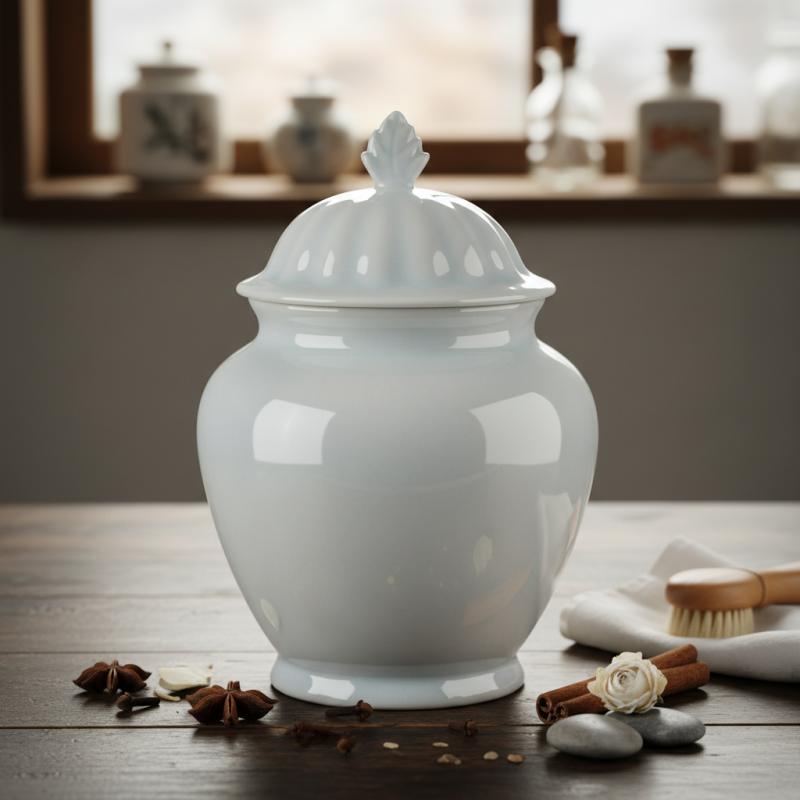
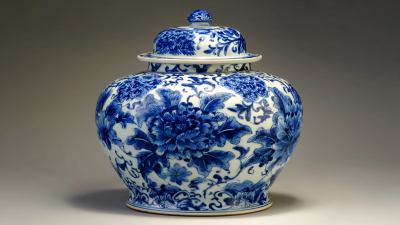
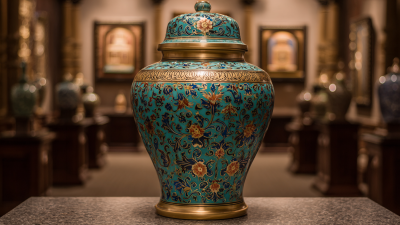
The Porcelain Bone Ash Jar is a unique blend of art and function. Made from refined materials, it embodies elegance and durability. This jar can serve various purposes, enhancing both aesthetics and practicality in your home.
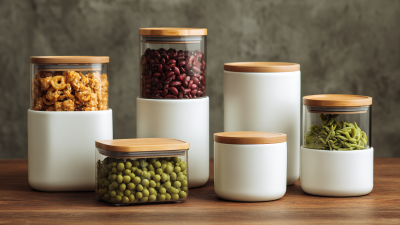
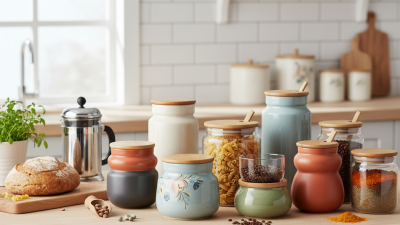
When using a Porcelain Bone Ash Jar, consider its versatility. It can hold everything from spices to decorative items. Proper care is essential to maintain its beauty and longevity. Cleaning it with gentle, non-abrasive agents ensures it remains pristine.
Yet, there's a learning curve. Over time, you may notice slight wear, prompting reflection on its use. Recognizing these imperfections can lead to better maintenance practices. Ultimately, the Porcelain Bone Ash Jar is not just a container; it's a small treasure that requires appreciation and thoughtful care.
Best Uses for Porcelain Bone Ash Jars in Home Decor
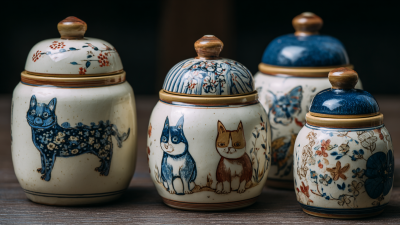
Porcelain bone ash jars are a unique addition to home decor. Their delicate finish and elegant designs make them versatile. You can use them to hold trinkets or as stylish planters. Display them on shelves, coffee tables, or windowsills for an artistic touch.
When using porcelain bone ash jars, consider their placement carefully. Ensure they complement your existing decor. Mixing textures can add depth. Pair these jars with wooden or metal elements for contrast. This combination creates a visually appealing arrangement that draws attention.
Tips for care are essential. Clean them gently with a soft cloth. Avoid harsh chemicals that can damage the surface. Store them in a safe place to prevent breakage. Remember, these jars can be fragile, and repairing them can be tricky. Keeping them safe is a priority.
Best Uses for Porcelain Bone Ash Jars in Home Decor
| Usage |
Description |
Care Tips |
| Storage |
Perfect for storing small items like jewelry or kitchen utensils. |
Keep in a dry place and avoid sudden temperature changes. |
| Display |
Can be used as decorative pieces on shelves or tables. |
Dust regularly with a soft cloth to maintain shine. |
| Plants |
Suitable for small indoor plants, adding elegance to the greenery. |
Ensure proper drainage to avoid root rot. |
| Gift |
Makes an excellent gift for birthdays or housewarming. |
Handle with care to prevent chips and cracks. |
| Candle Holder |
Can be used as a holder for small candles, creating ambiance. |
Avoid direct heat to prevent damage. |
Advantages of Using Bone Ash in Porcelain Production
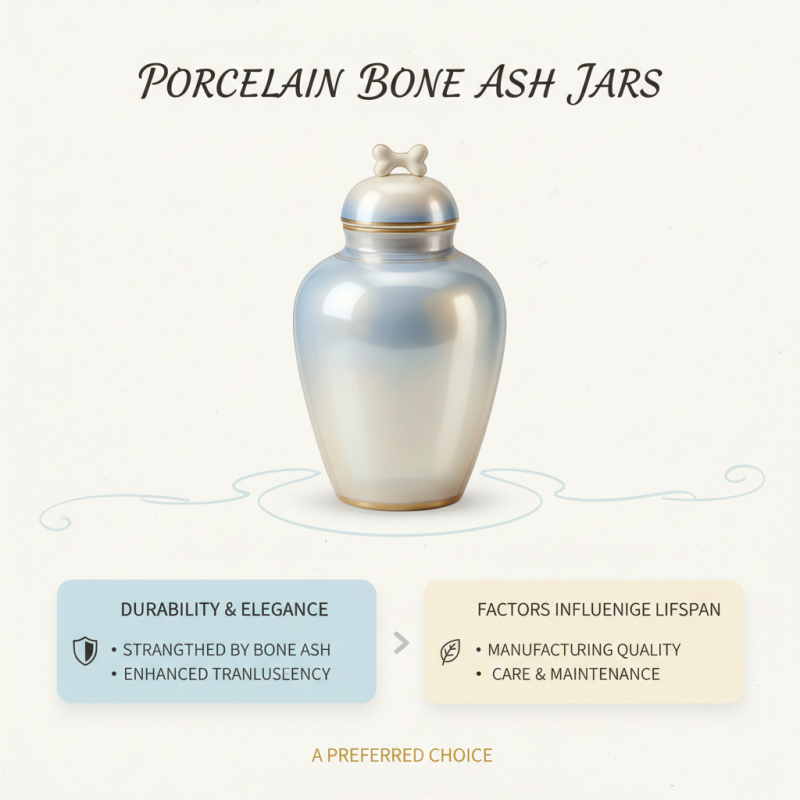
Bone ash is a crucial element in porcelain production. It gives porcelain its characteristic whiteness and translucency. This unique material consists of calcined animal bones. The incorporation of bone ash enhances the strength and durability of porcelain pieces. Often, items like fine china or decorative art are made with this blend.
Beyond aesthetics, bone ash offers practical benefits. It aids in creating a smoother texture, making the surface more refined. When firing, bone ash helps reduce the temperature required for glazing. This can save energy during production. Not all porcelain includes bone ash. Some may find this alarming, as the quality varies. Choosing products with bone ash often leads to better performance.
Caring for porcelain with bone ash requires attention. Regular cleaning ensures longevity, but abrasive materials can cause scratches. Avoid exposing pieces to sudden temperature changes. Using a gentle dish soap is recommended. Bone ash porcelain can be vulnerable if mishandled. A small chip can change its overall appeal.
Embrace the beauty and fragility of these pieces. Their allure lies in both their elegance and the story they tell.
Care Tips for Maintaining the Quality of Bone Ash Jars
Bone ash jars are elegant and useful. They require careful handling to maintain their quality. Optimal care can prolong their lifespan significantly. The right environment is crucial. A temperature variation above 80°F can lead to cracking. Humidity is another factor. High humidity may promote mold growth, creating a less appealing appearance.
Cleaning is essential but needs to be done correctly. Use a soft cloth with mild soap. Avoid abrasive cleaners or scrubbers. These can scratch the surface, diminishing the jar's beauty. Regular dusting is also recommended. A gentle touch is key. Allow the jar to air dry fully. This prevents water marks.
Storage deserves attention as well. Placement shouldn't be in direct sunlight. UV rays may fade colors over time. Clear away any clutter around the jars to avoid accidents. Even slight bumps can chip the edges. Experts suggest creating a dedicated shelf for these jars. This prevents unintentional contact with other items. Proper care leads to long-term satisfaction. However, it requires constant vigilance. Great care sometimes feels overwhelming. Embrace the process. It is worth it.
Environmental Impact and Sustainability of Bone Ash Materials
Bone ash, a key ingredient in porcelain production, raises important questions about sustainability. It is derived from animal bones, predominantly those from cattle. The production process for bone ash can have significant environmental impacts. According to a report by the Environmental Protection Agency (EPA), animal agriculture contributes nearly 14.5% of global greenhouse gas emissions. As a result, the demand for bone ash must be carefully considered within the context of climate change.
Sourcing and processing bone ash can also lead to habitat destruction. Deforestation occurs to make way for livestock farming. This disrupts ecosystems and diminishes biodiversity. A study by the Food and Agriculture Organization (FAO) notes that about 1.3 billion hectares of land are used for grazing, which could otherwise support diverse flora and fauna. Consumers should reflect on these impacts when purchasing porcelain items that use bone ash.
Moreover, while bone ash enhances the quality of porcelain, there are alternatives available. Plant-based materials are emerging as eco-friendly substitutes. Innovations in material sciences continue to explore viable options. By diversifying material sources, we can reduce reliance on bone ash, thus promoting a more sustainable future. However, complete transition is challenging and may take time. Balancing quality and sustainability remains a critical area for ongoing discussion and action.
Best Porcelain Bone Ash Jar Uses and Care Tips