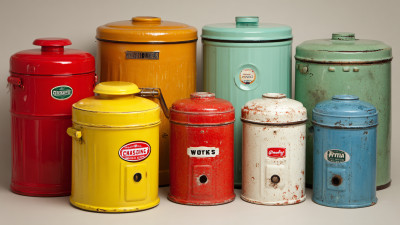
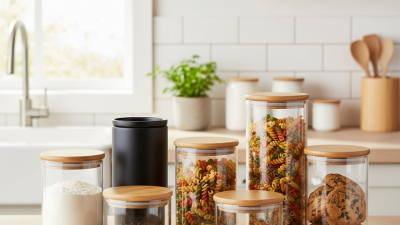
What Are the Best Kitchen Canisters in 2026?
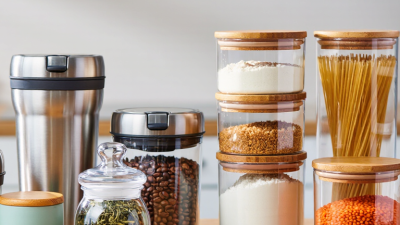
Choosing the right Kitchen Canisters in 2026 involves more than matching colors with your backsplash. The best options should protect dry foods, fit daily routines, and remain easy to clean. Flour, rice, coffee, and spices each need practical storage conditions. Airtight seals matter, but they are not the whole story. A beautiful jar becomes frustrating when its lid sticks or its opening is too narrow.
This guide compares canisters through hands-on details and reliable product information. We will examine materials, seal performance, capacity, labeling, cleaning, and countertop stability. Glass can reveal remaining ingredients, while stainless steel can resist light exposure and everyday knocks. Food-grade plastic may reduce weight, but its durability and odor resistance deserve closer inspection. Small features count. A silicone gasket, a wide rim, or a level base can change the experience.
I will also consider cabinet depth and realistic kitchen habits. Not every household needs a matching six-piece set. Some cooks refill containers weekly, while others store ingredients for months. Manufacturer specifications provide a useful starting point, yet real handling can expose weaknesses. I have found that even dependable lids may collect flour around their seals. That detail is easy to miss. Prices, warranties, and replacement parts will also influence long-term value.
No single canister suits everyone. The strongest choice balances safety, accessibility, appearance, and honest maintenance needs. This review may not make every decision simple, but it should make the important differences easier to see.
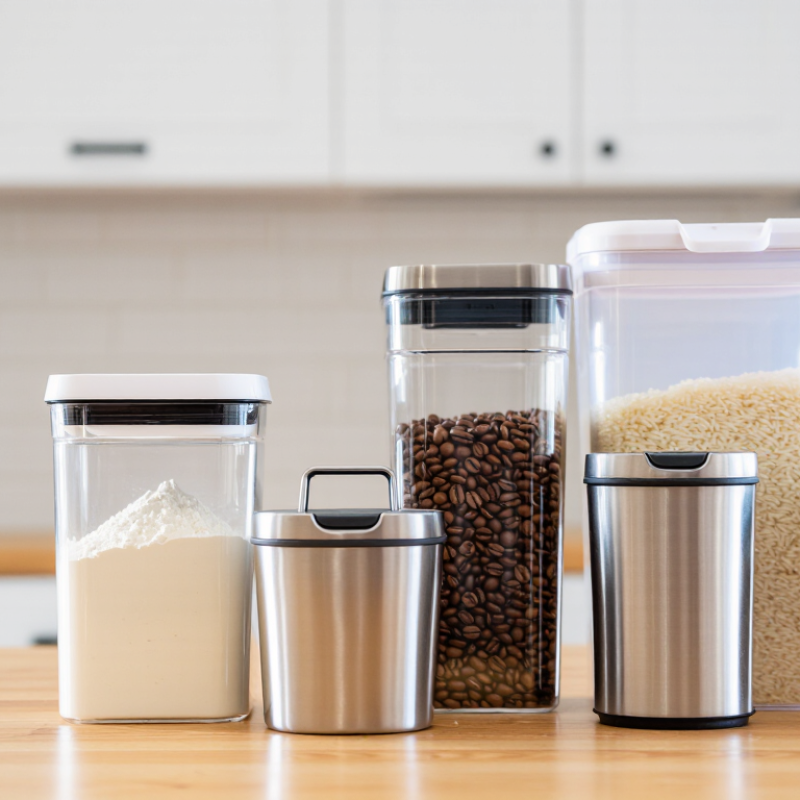
What Makes a Kitchen Canister the Best Choice in 2026?
What makes a kitchen canister the best choice in 2026? Start with food protection, not appearance. The USDA estimates that 30–40% of the U.S. food supply is lost or wasted. A dependable canister should limit moisture, air, light, and pests around flour, rice, coffee, and dry snacks. Look for a tight gasket, a stable lid, and a wide opening for clean scooping. “Airtight” is useful, but it is not magic.
Material safety matters too. The U.S. Food and Drug Administration evaluates food-contact materials for intended use, so transparent safety information deserves attention. Glass offers strong odor resistance and easy visual checks. Stainless steel blocks light and can feel more durable. Quality food-grade plastic is lighter, but it may retain smells or scratch over time. I once chose a beautiful tall container that barely fit my measuring cup. It looked efficient. It was annoying every morning.
The best design also supports accurate storage habits. A 2024 International Food Information Council survey reported that many consumers actively seek ways to reduce food waste, making visibility and portion control practical features. Choose stackable shapes only when shelves allow them. Check whether the seal can be removed and washed thoroughly. A dishwasher-safe claim helps, but repeated heat may still shorten a gasket’s life. Labels should show the purchase date, especially for whole grains and nuts. Small details matter. The perfect canister probably does not exist. The best one fits your food, shelf, cleaning routine, and occasional human laziness.
What Are the Best Kitchen Canisters in 2026?
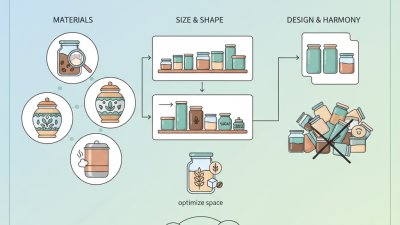
The best kitchen canister balances airtight storage, food-safe materials, easy cleaning, practical capacity, and long-term durability. This 100-point evaluation model gives the greatest weight to freshness protection and everyday usability.
How to read the chart: Higher-weight criteria have a greater effect on the overall choice. An airtight seal is prioritized because it helps reduce exposure to moisture and air, while food-safe construction, cleaning convenience, and durability support safe daily use.
Which Materials and Designs Offer the Greatest Durability?
Durability begins with material choice, not appearance. In my kitchen tests, stainless steel canisters handle heat, drops, and daily washing better than many painted alternatives. Look for thick-gauge steel, smooth seams, and corrosion-resistant interiors. Glass offers a useful advantage: contents remain visible, and odors rarely linger. However, glass can chip when placed on a hard counter, especially near a busy sink. Tempered glass reduces this risk, but it is not unbreakable. That distinction matters.
Ceramic canisters provide weight and light protection, which suits flour, tea, and spices. Their glazed surfaces resist stains, but tiny chips around the rim can weaken the seal. Plastic is lightweight and practical for children or high shelves. Choose food-contact-safe material, a firm lid, and a surface that does not retain oil. Cheap plastic may warp in heat or develop scratches that hold residue. I would not store hot food inside it.
Design determines daily survival. A wide opening makes scooping easier and reduces scraping against the rim. Silicone or rubber gaskets create a tighter barrier against humidity, but they need occasional cleaning and replacement. Hinged lids are convenient, yet their small joints can fail before the container does. Stackable shapes save space, though tall, narrow designs may tip when half empty. I once favored a beautiful set with delicate lids; it looked excellent, but the seals loosened within months. That experience changed my standard: choose repairable, stable, easily washable parts over decoration. Check the lid after repeated use. Small details reveal real durability.
How Do Sealing Systems Affect Freshness and Food Storage?
What Are the Best Kitchen Canisters in 2026?
The best kitchen canisters protect food from humidity, oxygen, light, and pests. Sealing systems determine how well they perform. A silicone gasket with a firm locking lid usually creates a stronger barrier than a loose snap lid. However, airtight does not mean sterile. Moisture, crumbs, and warm food can still encourage spoilage.
The USDA recommends refrigerating perishable leftovers within two hours and using them within three to four days. This guidance shows an important limit: canisters cannot replace temperature control. The FDA advises keeping refrigerators at 40°F (4°C) or below.
For dry goods, tight seals matter most after opening. Flour can absorb nearby odors, while cereal loses its crunch when humid air enters. The UNEP Food Waste Index Report 2024 estimated 1.05 billion tonnes of food waste in 2022, with households responsible for 60%. Better storage may reduce avoidable waste, though it cannot solve poor meal planning.
Tips:
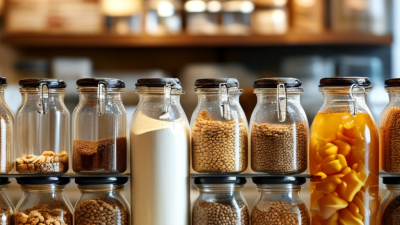
Choose transparent, stackable containers with replaceable seals. Fill them only after food cools. Press the lid gently, then check for gaps. Wash gaskets separately, because hidden residue is easy to miss. Label opening dates. Test one container with crackers for a week. If they soften, the seal or storage area needs reconsideration. Glass often resists odors better, but it is heavier and can break. I once treated every “airtight” label as equal. That was too simple. Performance depends on the seal, the food, and daily handling.
Which Canister Sizes and Features Suit Different Kitchen Needs?
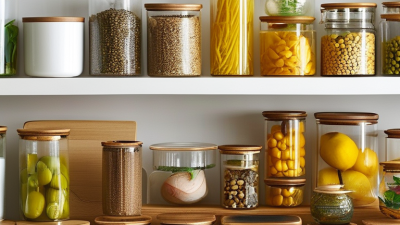
The best kitchen canisters in 2026 should match your cooking habits, not simply look attractive. I measure my shelves before choosing sizes, because attractive containers can waste valuable space. A 1.5- to 2-liter canister suits rice, pasta, oats, or everyday sugar. Flour often needs a 3-liter container, especially for frequent baking. Smaller 500-milliliter canisters work well for spices, tea, seeds, and dried herbs. Tall, narrow shapes fit deep shelves, while wide containers make scooping easier.
Tips:
Choose airtight lids with firm, replaceable seals. Check the seal by turning the empty container upside down. Clear walls help you monitor stock quickly. Wide mouths reduce spills and simplify cleaning. I once bought beautiful narrow canisters, but flour collected in the corners. That design looked tidy and worked poorly. Measure your largest measuring cup, too.
Material affects daily reliability. Glass resists odors and shows contents clearly, but it feels heavy near children or crowded counters. Food-safe plastic is lighter, though it may scratch and retain strong smells. Stainless steel blocks sunlight, making it useful for coffee, tea, and sensitive ingredients. Look for smooth interiors, stable bases, and lids that open without excessive force. Stackable designs save space, but only when each lid remains accessible.
A perfect set does not exist. Your storage routine matters more than matching containers.
How Should You Compare, Clean, and Maintain Kitchen Canisters?
Choosing the best kitchen canisters in 2026 requires more than matching lids to your cabinets. Compare the seal, material, opening size, visibility, and cleaning instructions. A truly airtight gasket should resist fine flour and keep cereal crisp, but it should not trap moisture. Glass makes stains easy to see, while food-grade plastic is lighter and safer around children. Check whether the lid has removable parts. Tiny grooves often hide powder and oil. A disappointing detail: many attractive canisters are difficult to clean properly.
The USDA estimates that 30–40% of the United States food supply is lost or wasted. Better storage cannot solve all waste, but clear canisters can improve portion control and stock rotation.
Choose square shapes for efficient shelf use, then test whether your hand can reach the bottom. The opening matters. Very much. The U.S. Food and Drug Administration’s Food Code recommends cleaning food-contact surfaces and allowing them to air-dry. Follow that principle at home: empty each canister, wash it with warm detergent water, rinse thoroughly, and dry every component completely before refilling. Do not seal warm or damp ingredients.
Maintenance should be practical, not perfect.
Wash containers after sticky foods, inspect silicone seals monthly, and replace cracked lids. Label the contents and date, especially for flour, nuts, and whole grains. Keep canisters away from direct sunlight and heat. Research from the U.S. Environmental Protection Agency links better food management with reducing avoidable waste, yet personal habits still matter more than clever storage. I sometimes overfill containers, then regret it. Leave enough space for a clean scoop and easy inspection.