2026 Best Ceramic Food Storage Containers for Global Buyers
Choosing the right Ceramic Food Storage Container requires more than attractive glazing and polished product photography. Global buyers need practical evidence. They must examine food-contact safety, sealing performance, thermal resistance, capacity, weight, and transport durability. A container may look elegant on a showroom shelf, yet chip after one careless drop.
Dr. Donald W. Schaffner, a food-safety scientist and Rutgers University professor, offers a useful reminder: “Food safety is a shared responsibility.” That principle matters here. Responsible evaluation includes checking glaze quality, declared material specifications, migration testing, and manufacturing consistency. It also means asking whether lids remain secure after repeated washing. Small details matter.
This 2026 guide compares leading Ceramic Food Storage Container options for retailers, distributors, hospitality buyers, and households worldwide. We consider refrigerator storage, microwave use, oven limitations, dishwasher care, and stacking efficiency. We also examine export-friendly packaging, because cracked corners can turn a promising order into an expensive return.
No container is perfect. Our comparison cannot predict every kitchen, climate, or shipping route. Some findings may challenge common assumptions. Heavy ceramic can feel premium, but it increases freight costs. Tight seals preserve freshness, but replacement lids may be difficult to source. Buyers should reflect on those trade-offs before choosing volume.
The strongest products combine safe materials, useful design, dependable workmanship, and clear supplier communication. This guide helps global buyers identify that balance with greater confidence.
What Are Ceramic Food Storage Containers?
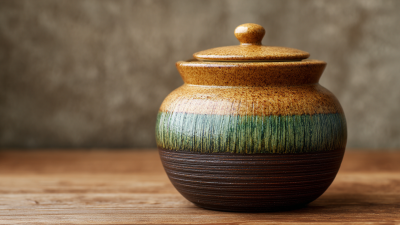
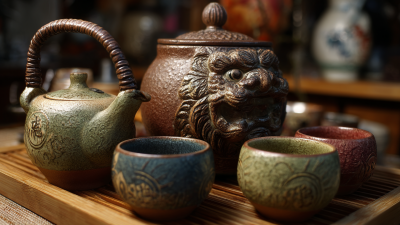
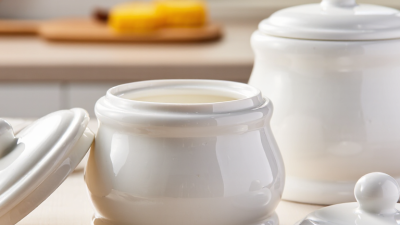
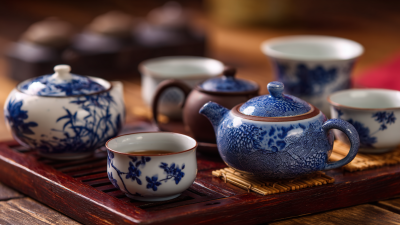
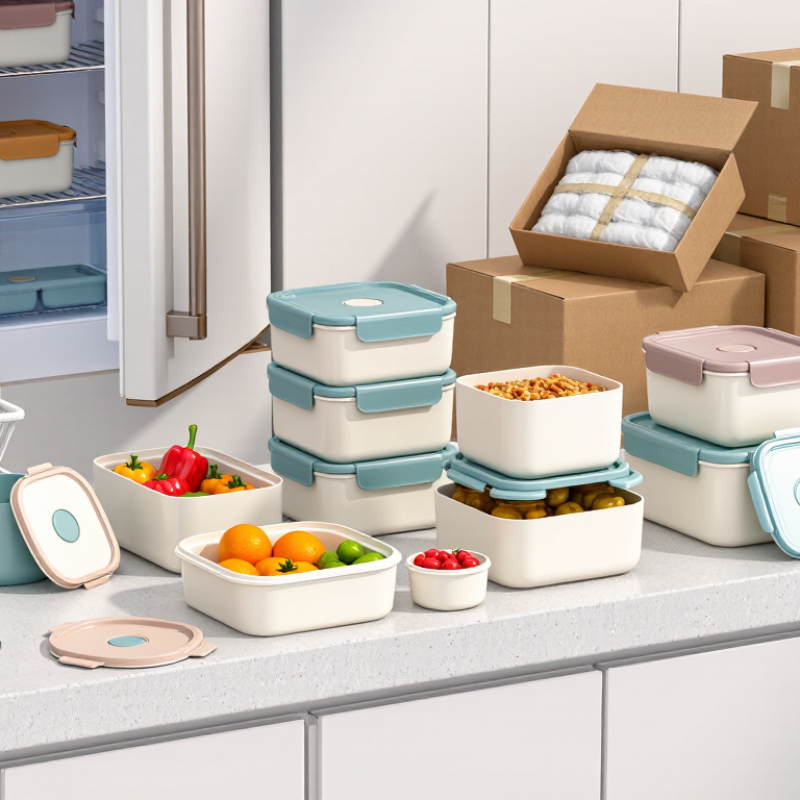
Ceramic food storage containers are reusable vessels made from fired clay, usually finished with a smooth glaze. They hold cooked meals, grains, sauces, fruit, and leftovers in kitchens worldwide. The ceramic body feels solid and resists many food odors. A properly glazed surface also makes cleaning easier.
These containers are not simply decorative bowls with lids. Their weight helps them stay stable on a crowded shelf, while their thick walls can retain warmth for a short time. However, ceramic may crack after sudden temperature changes. Lids are often made from plastic, silicone, or glass, so buyers should check the complete material specification. Food-contact safety should be supported by reliable test documents, not attractive packaging alone.
Tips: Look for a smooth, unchipped glaze and a secure lid seal. Check whether the container suits ovens, microwaves, freezers, and dishwashers. Never move a very hot container directly onto a cold stone surface. Small details matter.
In practical purchasing, capacity markings are useful for comparing suppliers. A 500-milliliter container may suit lunch portions, while larger sizes fit family meals. Measurements can vary slightly between production batches. That part is easy to overlook. Global buyers should request samples, inspect glaze consistency, test stacking, and confirm packaging protection before placing large orders. Ceramic containers offer durability, but they are heavier and more breakable than many alternatives. Their advantages are real, though not universal.
How Ceramic Materials Affect Safety, Durability, and Food Freshness
Ceramic food storage containers can protect freshness, but their performance depends on more than appearance. A dense, well-fired ceramic body resists moisture and food odors. A smooth, intact glaze creates a less absorbent surface for sauces and oils. Unglazed areas may hold smells, especially after storing curry, garlic, or tomato dishes.
In practical kitchen testing, containers with tight-fitting lids kept cut vegetables crisp overnight. Ceramic also blocks light, which may help protect color and quality in some foods. However, freshness still depends on cooling, portion size, and refrigerator temperature. A beautiful container cannot correct poor food handling. The lid matters greatly.
Look for clear food-contact safety information and testing for unwanted substances in the glaze. Reliable suppliers should explain their quality controls, firing process, and temperature limits. Avoid sudden changes from a hot oven to a cold countertop. Thermal shock can cause cracking, even when the container looks strong. Small hairline cracks deserve attention.
Durability has a quiet weakness. Ceramic can chip at the rim when stacked carelessly. I have found that heavier walls feel reassuring, yet they also make daily handling less convenient. That trade-off is easy to overlook. Buyers should check whether the container suits ovens, microwaves, freezers, and dishwashers individually. Claims should be verified, not assumed.
2026 Best Ceramic Food Storage Containers for Global Buyers - How Ceramic Materials Affect Safety, Durability, and Food Freshness
Material comparison for evaluating food-contact safety, service life, thermal performance, and storage suitability.
Ceramic material comparison for food storage containers
| Material type |
Typical firing range |
Typical water absorption |
Food-contact safety profile |
Durability and chip resistance |
Effect on food freshness |
Best use case |
| Porcelain |
Approximately 1,200–1,400°C |
Usually below 0.5% when classified as porcelain |
Very low porosity helps limit absorption of liquids and odors. Safety still depends on a properly formulated, fully matured glaze and compliant decoration. |
Dense and hard with good scratch resistance; thin edges can still chip if dropped or struck. |
Nonporous surfaces help reduce odor and stain retention. Freshness is mainly controlled by the lid seal and storage temperature. |
Premium meal prep, acidic foods, sauces, and repeated daily use. |
| Vitrified stoneware |
Approximately 1,180–1,300°C |
Commonly about 0.5–3%; exact value depends on the body and firing cycle |
A well-vitrified body and compliant glaze provide a strong food-contact surface. Lead and cadmium migration must be verified by laboratory testing where required. |
Generally thick, stable, and impact-tolerant in household use; thermal-shock performance varies by formulation and shape. |
Low-to-moderate porosity supports good odor and stain resistance, especially when fully glazed. |
General refrigerator storage, baking, reheating, and family-size portions when the product is marked for those uses. |
| Standard stoneware |
Approximately 1,100–1,280°C |
Typically about 1–5%, depending on the clay body and glaze |
Suitable for food storage when the glaze is intact, correctly fired, and declared compliant for food contact. Unglazed areas may absorb liquids and odors. |
Good everyday durability, but heavier and more vulnerable to edge chipping than many porcelain products. |
Glazed surfaces preserve flavor well; cracks, crazing, or exposed porous areas can retain stains and food residues. |
Everyday leftovers, dry goods, and oven-to-table storage with verified temperature instructions. |
| Earthenware |
Approximately 1,000–1,150°C |
Often above 3%; some bodies can be substantially more absorbent |
Requires a sound, food-safe glaze for wet or acidic foods. Avoid damaged, crazed, or decorative surfaces unless compliance and intended use are confirmed. |
More porous and generally less resistant to impact, scratching, and thermal shock than vitrified ceramic bodies. |
Higher porosity can increase moisture, odor, and stain retention if the surface is unglazed or damaged. |
Dry ingredients, decorative storage, or short-term use with an intact, tested food-safe glaze. |
Buyer evaluation checklist
| Evaluation dimension |
What to verify before purchase |
Practical purchasing implication |
| Glaze and decoration |
Request food-contact compliance documentation and migration-test results for lead and cadmium where applicable. |
Do not judge safety from appearance alone; bright colors, metallic details, or handmade finishes require additional verification. |
| Lid and airtightness |
Check for a food-contact silicone gasket, secure closure, leak testing, and replacement-lid availability. |
Airtightness has a greater effect on freshness than the ceramic body alone. |
| Temperature compatibility |
Confirm separate instructions for freezer, refrigerator, oven, microwave, and dishwasher use; avoid sudden temperature changes. |
Ceramic can crack from thermal shock even when it appears thick and durable. |
| Surface condition |
Inspect for chips, cracks, pinholes, crawling, and glaze crazing before use. |
Damaged surfaces are harder to clean and may retain food residues; remove damaged pieces from food storage. |
| Cleaning and hygiene |
Verify dishwasher instructions and ensure the container and gasket can dry completely. |
Preventing trapped moisture and residue is essential for safe reuse and odor control. |
| International documentation |
For global purchasing, request material specifications, intended-use instructions, batch traceability, and applicable food-contact test reports. |
Requirements differ by destination market; documentation should match the importing region and product decoration. |
Technical note: Water-absorption categories and firing temperatures are typical industry ranges, not universal specifications. Actual performance depends on the clay formulation, firing cycle, glaze, wall thickness, lid design, and manufacturing quality.
Food-safety note: Ceramic composition alone does not prove food-contact safety. Buyers should verify applicable regional requirements, including restrictions or migration limits for lead and cadmium, and follow the maker’s temperature and cleaning instructions.
Which Ceramic Container Types Suit Different Storage Needs?
2026 Best Ceramic Food Storage Containers for Global Buyers
Which Ceramic Container Types Suit Different Storage Needs?
Ceramic containers work best when their shape matches the food. Tall, airtight jars suit rice, flour, coffee, and dried beans. Their narrow openings reduce exposure to humidity and kitchen dust. Wide-mouth bowls suit leftovers, sliced fruit, and prepared meals. They are easier to scrape and wash. Lidded ceramic dishes also move neatly from refrigerator to dining table. However, heavy walls can be inconvenient for frequent carrying. That trade-off is often missed.
For baking and reheating, choose glazed ceramic marked for oven and microwave use. Avoid sudden temperature changes, such as moving a cold dish into a hot oven. Unglazed ceramic may absorb oils and odors. For global buyers, check food-contact compliance, glaze testing, and temperature instructions in the destination market. The FDA Food Code 2022 emphasizes cleanable, nonabsorbent food-contact surfaces. This supports choosing a smooth, intact glaze. The FAO’s State of Food and Agriculture 2019 reported that about 14% of food is lost before retail. Household containers cannot solve that loss, but better visibility and sealing may reduce avoidable waste at home. UNEP’s Food Waste Index Report 2024 estimated 1.05 billion tonnes of food waste in 2022.
Tips: Select stackable jars for pantry storage. Use wide bowls for leftovers. Check the lid seal by tilting the empty container. Do not use chipped glaze. Ceramic is durable, but not careless-proof. A silicone-sealed lid improves freshness, though silicone quality still deserves inspection.
How to Compare Suppliers, Costs, Packaging, and Shipping in 2026
For global buyers, supplier comparison should begin with factory evidence, not attractive samples. Request kiln capacity, food-contact test reports, quality records, and recent export references. Ceramic quality varies with firing temperature, glaze control, and cooling speed. A supplier may quote 100,000 pieces, yet deliver inconsistent lids or warped bases. I would inspect ten samples from different production batches. That extra step feels slow. It can expose hidden failure costs.
Compare landed cost, not unit price. Include tooling, inspection, inner cartons, pallets, insurance, duty, and port charges. The World Bank’s Logistics Performance Index 2023 shows major differences in customs, infrastructure, and shipment reliability across markets. Shipping plans should reflect those gaps. UNCTAD’s Review of Maritime Transport 2024 states that over 80% of world merchandise trade moves by sea. Container delays can therefore change the real purchase price. I allow a contingency budget, although my estimate is never perfect.
Packaging deserves physical testing. Use molded pulp or strong corrugated inserts around each container and lid. Ask suppliers for drop-test results at realistic heights. Smithers’ packaging outlook reports continued growth in global packaging demand, driven partly by e-commerce and distribution complexity. More packaging can reduce breakage, but it also raises freight volume and waste. Compare breakage rates after pilot shipments, not only laboratory claims. A spreadsheet may look precise while ignoring one cracked pallet.
2026 Best Ceramic Food Storage Containers: Landed-Cost Comparison
Indicative 2026 procurement benchmarks for standard ceramic food storage containers with lids.
Higher order volumes generally reduce unit, packaging, and shipping costs. Actual costs vary by
capacity, glaze, lid material, destination, duties, and Incoterms.
Planning basis: USD per finished unit, excluding destination taxes and local delivery. Compare suppliers
using the same specifications, packaging standard, order quantity, and shipping terms.