

What Are the Top Types of Ceramic Cups?
Choosing a Ceramic Cup involves more than color or shape. The clay body, firing temperature, glaze, and construction all affect how a cup feels and performs. A thick stoneware mug may keep hands warm, while a fine porcelain cup feels light at the rim. Small details matter.
This introduction previews the main cup types: earthenware, stoneware, porcelain, and bone china, alongside handmade and specialty designs. Each offers different strengths in weight, appearance, durability, and everyday use. Ceramic artist Bernard Leach wrote, “The potter’s art is the oldest of the arts, and has always been concerned with the basic needs of mankind.” That idea suits cups well: they are useful objects, but their comfort and character matter too.
Material names alone do not tell the whole story. Two stoneware cups can differ because of their clay blends, glaze, firing, and handle design. A glossy finish may look smooth but feel slippery when wet. A handmade cup may have charming irregularities, though its shape may not suit every hand. Not always. The best choice depends on how you drink, clean, store, and hold your cup. This guide compares practical features and visual styles, while noting where personal preference complicates any simple ranking. A cup can be beautiful and still feel wrong after one long morning.
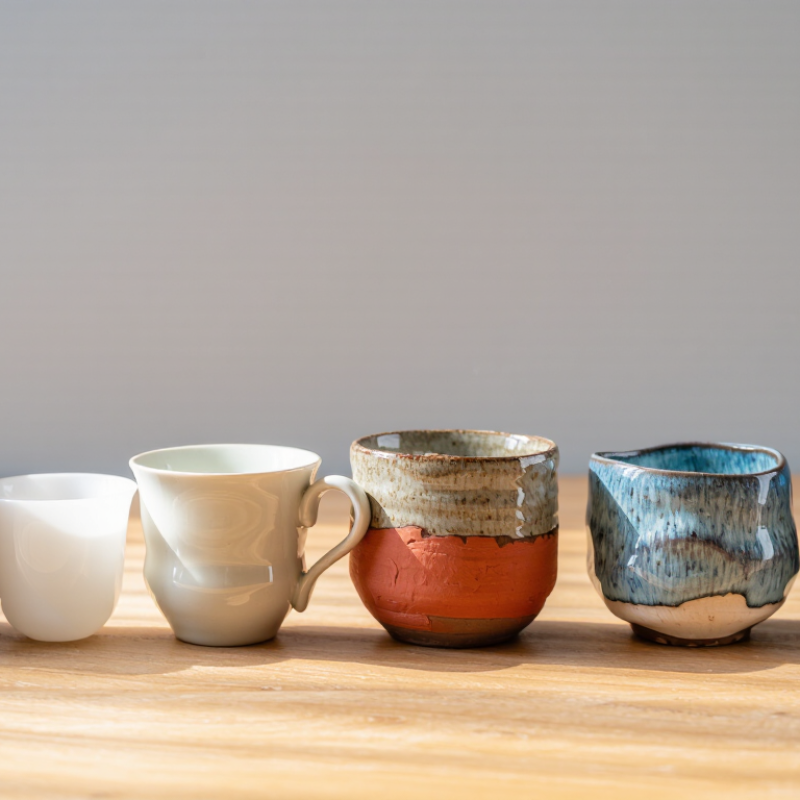
Ceramic cups are best classified by silhouette and the drink they serve, not by decoration alone. A small, thick-walled demitasse keeps espresso portions compact and warm; a broad, shallow cappuccino cup leaves room for milk foam. Straight-sided mugs suit longer drinks, while handleless, gently tapered cups work well for tea. The shape changes how a cup feels in the hand and how easily its contents can be sipped. Small details matter.
Use also reflects real drinking habits. The National Coffee Association’s 2024 National Coffee Data Trends report found that 67% of U.S. adults had coffee in the past day. That figure does not dictate a particular cup shape, but it helps explain why everyday mugs remain common alongside smaller coffee cups. For tea, a wider opening can release aroma sooner, while a narrower rim may help retain heat; neither design is universally better. Capacity labels vary between makers, so check the volume with water before choosing a cup for a specific recipe. A cup can look perfect on a shelf and still feel awkward at breakfast.
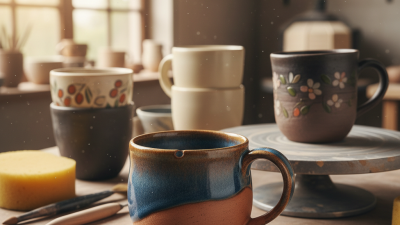
Capacity is one practical way to compare cup types: smaller cups suit concentrated espresso, while larger mugs and latte cups accommodate bigger servings. These are common approximate ranges; actual capacity varies by design.
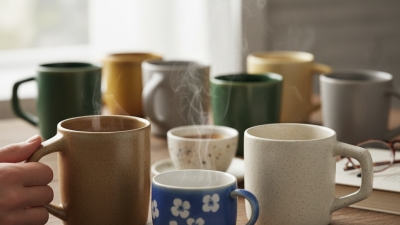
Stoneware cups are popular for everyday use because their fired clay bodies are relatively dense and substantial. They often feel reassuringly heavy in the hand. A thick rim can make coffee feel warmer and more comforting, though it may not suit everyone. Glazes range from smooth and glossy to speckled or softly textured. Check care instructions, since heat resistance and dishwasher safety depend on the specific cup and glaze.
Porcelain cups have a finer, lighter feel and are often made with thin walls. They suit tea or coffee when you want a delicate-looking cup that still feels sturdy. Earthenware is usually thicker and more porous, with a relaxed, handmade appearance; chips and glaze wear can be more noticeable over time. Bone china is another ceramic type, known for its light weight and slight translucence. That matters. A thin cup may feel elegant, but it can be less comfortable for someone who prefers a solid grip. Shapes, handles, and finishes affect daily use as much as the clay itself. No type is automatically best. A broad handle may be easier to hold, while an uneven handmade rim can be charming but less practical.
Clay sets the cup’s basic character before the glaze adds color or shine. Porcelain can be thin and light, making delicate rims and fine details possible. Stoneware usually feels denser in the hand and suits sturdy, everyday forms. Earthenware often has a warmer, more visibly earthy body. These are tendencies, not rules; clay blends and firing temperatures change the result. A thick handle may balance a heavy cup, but it can also feel clumsy. Small details matter.
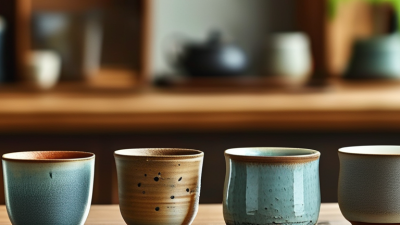
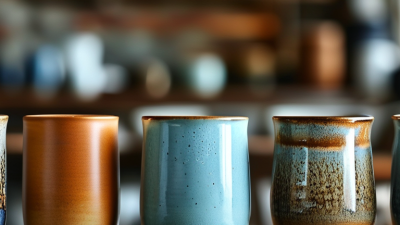
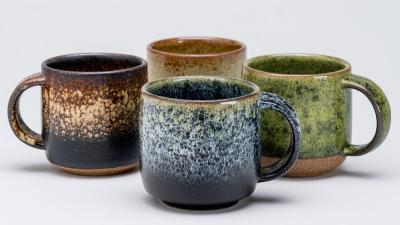
Glaze shapes both appearance and touch. A glossy glaze catches light and can make deep colors look vivid, while a matte surface feels softer but may show marks more readily. A glaze can pool in carved lines, creating darker edges, or break thinly over raised texture. The same glaze may look different on different clay bodies, so test tiles are useful. Color samples can still mislead; a full cup reveals curves and shadows that a flat tile cannot. Glaze also needs to suit the vessel’s intended use and firing.
Tips: Check the rim for a comfortable sip and the handle with a filled cup. Ask about care instructions. Notice whether the glaze feels smooth inside; a beautiful surface is not automatically practical. A slight unevenness can add character, though it may bother someone seeking a matched set.
| Cup Type | Typical Ceramic Body | Firing Characteristics | Common Glaze Choices | How the Material and Glaze Shape the Design | Practical Considerations |
|---|---|---|---|---|---|
| Porcelain | Fine, pale clay body commonly made with kaolin, feldspar, and silica. | High-fired; the body vitrifies and becomes dense. Exact firing temperatures depend on the clay recipe and kiln process. | Clear, white, colored, or translucent glazes; some porcelain is left unglazed on parts of the surface. | Its fine texture supports thin walls, crisp shapes, and delicate details. A clear glaze can preserve the bright body color, while colored glaze creates a smooth, refined finish. | Often lightweight and nonporous when properly fired and glazed. Thin forms can feel delicate and may chip if handled roughly. |
| Stoneware | Dense, often iron-bearing clay body; fired stoneware may range from light to dark depending on its composition. | Typically fired to a high temperature until the body becomes dense and water-resistant; the precise range varies by clay body. | Glossy, satin, matte, reactive, or salt-glaze finishes, depending on the materials and firing method. | The body can give cups a substantial, sturdy appearance. Glaze color and surface texture can emphasize either a clean contemporary shape or a more varied, handmade look. | Common for everyday cups because of its strength. A properly fired body is dense, but cracks or unglazed areas can affect water resistance. |
| Earthenware | Lower-fired clay body, often red, buff, or cream in color. | Fired at a lower temperature than typical stoneware or porcelain; it usually remains more porous unless covered with a suitable glaze. | Often finished with a glaze over the interior and exterior; colored and opaque glazes are common. | The warmer body colors and thicker-looking forms suit rustic, traditional, and brightly decorated designs. Opaque glaze can conceal the clay color, while transparent glaze lets it show through. | Glazing is important for a water-holding cup. Unglazed earthenware can absorb water, and the finished cup may be more vulnerable to chipping than denser wares. |
| Bone China | Porcelain-type ceramic body containing bone ash along with clay and other ceramic materials. | Firing schedules vary by formulation; production commonly involves a high-fired body and a separate glaze firing. | Usually clear or lightly tinted glaze, often paired with printed or painted decoration. | The pale, fine body can create thin, light cups with a soft translucency. A smooth glaze gives decoration a crisp finish and helps create an even surface. | Lightweight and refined in appearance. Although it can be strong for its thinness, delicate handles and rims still require careful handling. |
| Terracotta | Iron-rich earthenware clay that typically fires to a reddish or orange-brown color. | Generally fired at earthenware temperatures and remains porous if unglazed. | May be left unglazed for a natural surface or glazed to seal the body and add color or sheen. | The visible red-brown clay gives cups an earthy, handmade character. A transparent glaze can retain the clay’s color; an opaque glaze can create a stronger color contrast. | For a cup intended to hold liquids, the interior needs an appropriate, food-safe glaze and a properly fired, intact surface. Unglazed terracotta can absorb liquid. |
Note: Firing temperatures, strength, porosity, and glaze appearance depend on the clay recipe, firing schedule, and finished surface. Use cups with food-contact-safe glazes and follow the maker’s care instructions.
Ceramic cup shape changes how a drink feels, cools, and releases aroma. For espresso, a small, tapered cup helps preserve crema and keeps the short pour concentrated. A broad cappuccino bowl leaves room for milk foam and makes latte art easier to see. The Specialty Coffee Association’s Golden Cup guidance recommends about 55 grams of coffee per liter of water, with a 10% tolerance. That ratio is a useful brewing reference, but cup capacity still matters: an oversized mug can make a carefully brewed coffee seem weak. Small details count.
Tea benefits from a different shape. A straight-sided mug suits everyday black tea, while a small, wide cup lets green tea cool faster and makes its color visible. ISO 3103 specifies 2 grams of tea per 100 milliliters of water and a six-minute infusion for its standardized preparation method. This is a testing standard, not a rule for every home brew. For thick hot chocolate, choose a sturdy cup with a wide opening; the surface is easier to stir and inspect. A narrow cup may hold heat longer, yet its shape can make stirring awkward. I would not choose by appearance alone. Ceramic thickness and handle comfort matter too, and they are easy to overlook.
For everyday use, compare ceramic cups by weight, durability, and how they feel in your hand. The National Coffee Association’s 2024 National Coffee Data Trends report found that 67% of U.S. adults had coffee the previous day. That makes a comfortable, easy-care cup a practical choice for many households. Stoneware is usually thicker and feels sturdy, though its weight may not suit everyone. Porcelain is often lighter, with a smooth surface and a more delicate feel. Earthenware can offer a relaxed, handmade look, but may chip more easily if handled roughly. Bone china is light and refined, yet its thin walls may feel less reassuring for busy kitchens. Small details matter.
For daily coffee or tea, check whether the cup is labeled microwave- and dishwasher-safe; not every ceramic glaze or handle tolerates both. The ISO 6486 standard tests lead and cadmium release from ceramic foodware, so safety claims tied to recognized testing are worth checking. A thicker cup may feel warmer to hold, but thickness alone does not guarantee better heat retention. I would also consider the rim: a broad, rounded edge can feel pleasant, while a narrow one may be awkward for some people. One drawback is easy to miss. Beautiful finishes can show scratches, stains, or wear over time, and care instructions are not always clear.