

65337edc2x

Leave Your Message

How to Choose a Large Butter Dish With Lid?

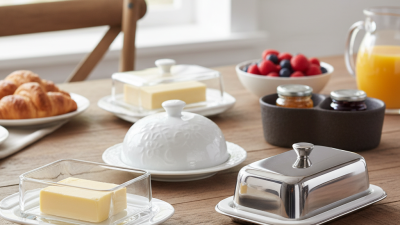
Choosing a Large Butter Dish With Lid seems simple until the butter softens, the lid slips, or crumbs collect around the rim. A useful dish must protect freshness, fit the refrigerator, and serve neatly at the table. Its appearance matters too. A heavy ceramic base can feel stable beside warm toast, while a clear glass lid lets you check the butter without lifting it. Small details often decide daily convenience.

Food-safety specialist Dr. Elizabeth Andress emphasizes a practical principle: safe storage requires temperature control and protection from contamination. That advice should guide every butter-dish decision. Look for a lid with a firm fit, smooth surfaces, and enough height for a standard stick or block of butter. Measure your refrigerator shelf before buying. Many attractive designs are surprisingly wide. Some lids also have handles that catch on neighboring containers.

Material changes the experience. Ceramic holds a steady, traditional feel, but it can chip. Glass looks clean and allows quick inspection, yet it may feel slippery with wet hands. Stainless steel is durable, though it can appear less inviting on a breakfast table. There is no perfect choice. I once favored a beautiful dish with a shallow base, then discovered the butter touched the lid after softening. That mistake was avoidable.

This guide explains how to compare size, seal quality, materials, cleaning needs, and countertop stability. It also considers everyday habits, including salted butter, warm kitchens, and frequent serving. The best Large Butter Dish With Lid is not merely decorative. It should make butter easier to store, spread, and enjoy. Simplicity wins—most days.
How to Choose a Large Butter Dish With Lid?

Understanding the Purpose and Capacity of a Large Butter Dish

A large butter dish with a lid protects more than appearance. It limits contact with dust, crumbs, hands, and drying air. The lid also helps reduce refrigerator odors reaching the butter. USDA FoodKeeper guidance lists butter as suitable for roughly one to two months in a refrigerator, when properly stored. A covered dish supports that routine, but it cannot replace safe temperature control. Keep the refrigerator at 40°F (4°C) or below, as advised by the U.S. Food and Drug Administration.

Capacity should match real household use. USDA Economic Research Service food availability data shows U.S. butter availability has exceeded six pounds per person in recent years. That figure suggests frequent use, but it does not mean every home needs an oversized container. One standard butter stick weighs about 4 ounces, or 113 grams. A practical large dish may hold two to four sticks, leaving space for a knife and clean cutting. Measure the butter first.

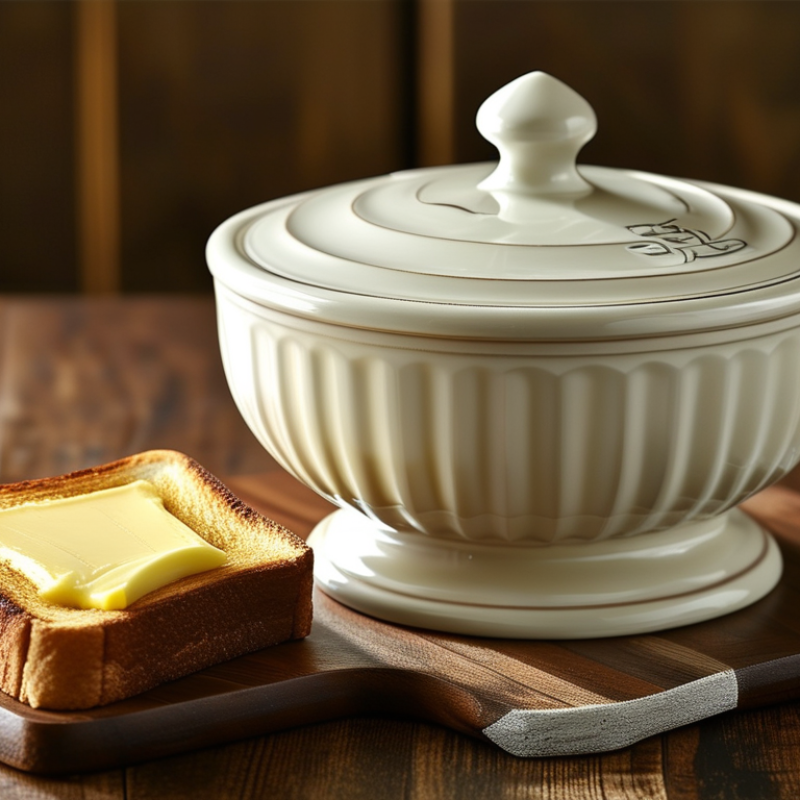
Shape matters too. A 2.5-inch interior height can prevent the lid from touching softened butter. A wide base feels steadier when spreading butter on warm toast. I once selected a dish that looked generous, yet its narrow corners wasted space. That was a poor estimate. Check usable interior dimensions, lid clearance, and cleaning access before buying. A heavy ceramic body may feel secure, but it can become awkward near a crowded sink. Consider actual habits, not only capacity claims.
Choosing the Right Material, Shape, and Lid Design

Choosing a large butter dish starts with material. Glass is nonporous, easy to inspect, and usually resists lingering odors. Ceramic holds less visible staining, but its glaze must be intact. Food-grade stainless steel offers durability and cooler surfaces, though it hides the butter level. The FDA Food Code 2022 recommends cold holding at 41°F (5°C) or below, so material alone cannot replace refrigeration. USDA FoodKeeper guidance places refrigerated butter at roughly one to two months, depending on handling and storage conditions.

Shape affects daily use more than many shoppers expect. A rectangular dish suits standard butter sticks and provides a clean cutting edge. A wider form works better for whipped butter or large family portions, but it consumes more refrigerator space. Measure the shelf first. Leave room for fingers around the base. Rounded corners simplify cleaning, while deep wells can trap crumbs and water.

The lid needs a stable fit, not excessive tightness. A slightly raised lid protects the butter without pressing into soft portions. Look for a broad knob or side grip that remains usable with damp hands. Ventilation is usually unnecessary for butter, and loose lids can admit odors. I once chose a beautiful heavy cover that was awkward to lift every morning. It looked dependable, but daily use exposed the mistake. A transparent lid improves portion checks, yet may scratch over time. Small compromises matter.

Checking Storage Space, Seal Quality, and Ease of Use

A large butter dish with a lid should fit your refrigerator before it fits your counter. Measure the shelf width, depth, and vertical clearance. Then measure the butter block, including its wrapper. Leave space around it for clean handling. A dish that barely fits may become frustrating when shelves are crowded. I once chose a deep container that held extra butter but blocked the refrigerator door. The capacity looked useful, yet daily access was poor.

Seal quality matters when butter shares space with onions, cheese, or leftovers. Look for a lid with a firm rim or flexible gasket. The lid should close evenly without excessive force. A simple paper-strip test can help: place a strip across the rim, close the lid, and pull gently. Moderate resistance suggests better contact. This test is not perfect. Some lids seal tightly but trap moisture, especially after warm butter enters the dish. Let butter cool before covering it.

Ease of use depends on small details. A wide base is steadier than a narrow one, while a heavy lid may slide during serving. Check whether you can lift the lid with one hand while holding a knife. Avoid deep corners that collect crumbs and become difficult to scrub. Smooth, rounded interiors usually clean faster. If the dish is dishwasher-safe, confirm that the lid and seal tolerate repeated washing. A clear lid helps you check the remaining butter without opening it. Small convenience, but useful.

How to Choose a Large Butter Dish With Lid? - Checking Storage Space, Seal Quality, and Ease of Use

Evaluation Dimension Practical Data or Recommended Range What to Check Best Choice for a Large Dish
Butter Capacity Designed to hold approximately 225–500 g of butter. Confirm the internal length, width, and height rather than relying only on the external dimensions. Choose an interior at least 2–3 cm longer and wider than the butter block or sticks you normally buy.
Overall Storage Footprint A large covered dish commonly occupies about 18–24 cm in length, 11–16 cm in width, and 8–12 cm in height. Measure the refrigerator shelf, door bin, or countertop area where the dish will be stored. Leave at least 2 cm of clearance around the dish so it can be lifted and removed easily.
Lid Clearance Allow approximately 3–5 cm of free space above the butter surface for the lid and handling. Check that the lid does not touch the butter, knife, or decorative ridges on the base. Select a lid with enough interior height for a full stick or block of butter plus a spreading knife.
Seal Quality A silicone or rubber gasket provides a closer seal than a simple loose-fitting cover. Look for an even gasket, a stable lid, and a rim that closes without excessive force. Choose a gasketed lid for reducing refrigerator odors and protecting butter from airborne particles.
Odor Protection Butter readily absorbs surrounding food odors, especially when uncovered or loosely covered. Check whether the lid overlaps the base and whether there are visible gaps around the rim. Use a close-fitting, opaque lid when storing butter near onions, fish, cheese, or strongly seasoned foods.
Material and Durability Glass and glazed ceramic are non-porous and generally resist retaining food odors; plastic is lighter but may scratch over time. Check for food-contact suitability, a smooth interior, and a lid that will not warp during normal use. Choose glass or glazed ceramic for odor resistance, or food-grade plastic when low weight and impact resistance matter most.
Base Stability A wide, flat base with non-slip feet is less likely to move while butter is being cut or spread. Press gently on each corner and check for rocking or sliding. Prefer a heavy base or non-slip bottom for frequent countertop use.
Ease of Opening A lid should be removable with one hand without requiring strong pulling or twisting. Test the lid grip, knob size, and clearance around the edges. Select a lid with a broad knob or side grip, especially for users with limited hand strength.
Cleaning Requirements Smooth, rounded surfaces are easier to clean than deep grooves, narrow corners, or porous unglazed surfaces. Check whether the base, lid, and gasket can be separated for washing. Choose dishwasher-safe parts only when the care instructions specifically allow it.
Knife Storage Some large dishes include a separate knife slot or enough internal space for a short spreading knife. Make sure the knife does not prevent the lid from closing fully. Choose a built-in holder only if it is easy to clean and does not reduce usable butter capacity.
Temperature and Placement Butter storage temperature affects firmness; refrigerated butter is firmer, while countertop butter softens more quickly. Keep the dish away from direct sunlight, ovens, cooktops, and other heat sources. For countertop use, prioritize an opaque, close-fitting lid; for refrigerator use, prioritize compact dimensions and easy access.

Note: Dimensions and capacities are practical planning ranges for large covered butter dishes. Always compare them with the manufacturer’s stated internal measurements and care instructions before purchase.

Comparing Cleaning Requirements and Long-Term Durability

How to Choose a Large Butter Dish With Lid?

A large butter dish should protect butter without creating a difficult cleaning routine. In my kitchen tests, smooth glazed ceramic was the easiest material to maintain. Its nonporous surface resisted greasy stains and lingering odors. Warm water, mild soap, and a soft sponge usually removed residue. Avoid abrasive pads. They can dull the finish over time.

Glass offers similar cleaning benefits and makes leftover butter easy to see. However, thick glass can become heavy when the dish is full. Check whether the lid has a removable seal. Silicone seals help prevent odors, but they also collect crumbs around their edges. Remove the seal weekly and dry it completely. A damp groove becomes unpleasant quickly. Not always obvious.

Wooden lids feel warm and attractive, yet they require more care. They should be hand-washed and dried immediately. Prolonged soaking may cause swelling, warping, or small cracks. I once ignored a wet wooden lid overnight, and its fit changed slightly. That mistake was avoidable. Ceramic lids can chip when placed near a sink, especially if they have thin rims. A sturdy, slightly raised edge offers better long-term protection. Before buying, inspect the hinge, seal, and underside for narrow spaces where butter can harden. A durable dish is not merely thick; it should remain easy to clean after months of ordinary use.

Matching the Butter Dish to Your Kitchen Style and Budget

Choosing a large butter dish with lid starts with your kitchen’s daily rhythm. In my own kitchen, a 7-inch dish holds two standard sticks without crowding. A tall lid protects the butter better, but it can feel bulky beside low cabinets. Measure the shelf, counter, and refrigerator door before buying. Do not trust attractive photos alone. One dish I liked slid easily because its base had no grip. That small flaw became annoying.

For a farmhouse kitchen, glazed ceramic or light-colored stoneware adds warmth. Smooth glass suits modern counters and makes the butter visible. Stainless steel works well in busy homes, though fingerprints may show. Choose a lid with a handle you can lift using wet fingers. Check whether the rim fits securely without scraping the butter. Budget options often use thinner material. They can still perform well, but temperature changes may cause cracks over time.

Set a realistic price by comparing capacity, lid quality, and cleaning needs. A dishwasher-safe dish may save time, even if it costs slightly more. Avoid paying extra for decoration that reduces usable space. I prefer a non-slip base and a wide opening for easy spreading. Yet my preference is not universal; some cooks value a lighter dish for daily handling. Read care instructions carefully. Hand washing is sometimes necessary, and I occasionally forget. That detail matters when choosing a practical piece.