Top Kitchen Canisters to Elevate Your Kitchen in 2026?
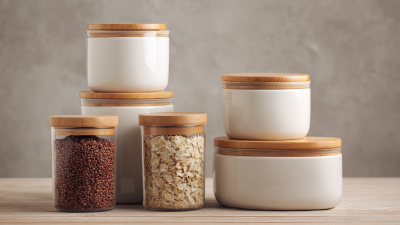
In the evolving world of kitchen design, Kitchen Canisters are more than mere storage solutions. They serve as stylish accents that enhance functionality. Renowned kitchen designer, Emily Henderson, once stated, “A well-organized kitchen elevates the cooking experience.” This sentiment captures the essence of Kitchen Canisters, as they blend practicality with aesthetics.
As we anticipate kitchen trends for 2026, Kitchen Canisters take center stage. Their designs range from rustic ceramics to sleek glass, fitting any decor style. They not only keep ingredients fresh but also provide a visual focal point. However, choosing the right canisters can be daunting. With an overwhelming variety in materials and designs, it’s easy to feel lost.
Many overlook the importance of size and labeling. Did you know that clear canisters enhance visibility? Yet, opaque options can maintain ingredient freshness better. Striking the right balance is key. Investing in quality Kitchen Canisters can transform your space. These functional pieces can indeed elevate your kitchen’s charm and organization.
Top Trends in Kitchen Canister Designs for 2026
In 2026, kitchen canisters are more than mere storage solutions. These functional items blend style and practicality. We see a significant push towards sustainable materials. Bamboo, glass, and recycled plastics dominate the design landscape. Eco-friendly choices reflect a growing awareness of environmental impact. Kitchen canisters now serve as a conscious lifestyle statement.
Color palettes play a crucial role in modern canister design. Soft pastels and earth tones are trending. They evoke calmness and warmth in kitchen spaces. Minimalist designs are also in vogue. Sleek outlines and simple functions attract today’s home cooks. Yet, there’s a challenge in maintaining individuality. Many may feel lost in the sea of similar styles and colors.
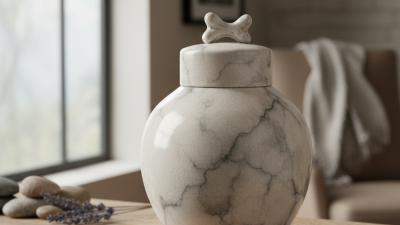
Texture is another important element. Textured surfaces in ceramics or stoneware add depth to kitchen decor. This makes the canisters visually striking. However, finding the right balance can be tricky. Overly ornate designs may clash with minimalist aesthetics. The evolution of kitchen canisters in 2026 reflects diverse tastes and functional needs. It encourages reflection on personal style versus prevailing trends.
Material Choices for Modern Kitchen Canisters
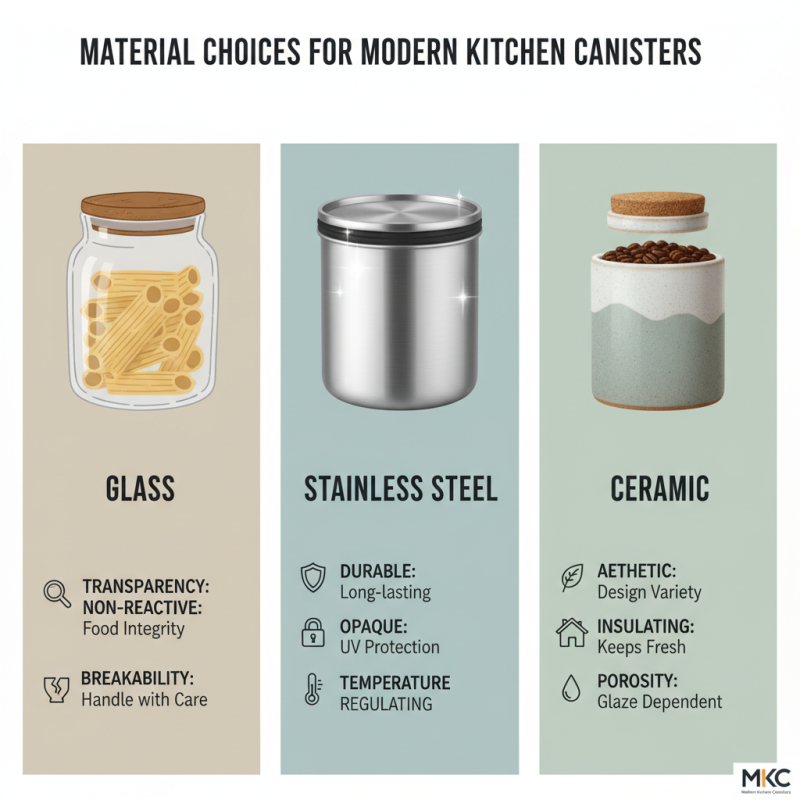
When it comes to modern kitchen canisters, material choice is critical. Many materials provide unique characteristics. Glass canisters offer transparency, allowing easy monitoring of contents. They are also non-reactive, ensuring food integrity. However, be mindful of breakability. A small slip can lead to shattered pieces.
Another popular material is stainless steel. It's durable and typically resistant to stains. Stainless steel canisters often feature airtight seals. This keeps contents fresh for longer. However, absence of visibility can be a drawback, preventing users from easily checking levels.
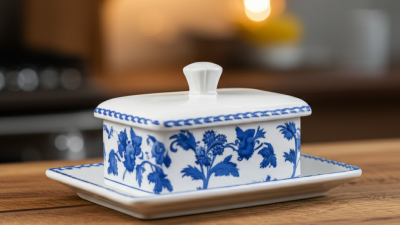
Tips for choosing the right material: consider your kitchen's aesthetic. Wood canisters bring warmth but require maintenance to avoid moisture. Ceramic options come in various colors and designs, giving personality to your space. However, ensure they have a good sealing mechanism to prevent air exposure.
Evaluate your lifestyle too. If you're prone to accidents, opt for sturdier materials. Think about what you'll store inside. Specific materials are better suited for certain types of food. Ultimately, the right choice enhances both functionality and design in your kitchen.
Functionality and Features to Look for in 2026 Canisters
When choosing kitchen canisters for 2026, functionality is key. Look for airtight seals to keep contents fresh. Materials matter, too. Stainless steel and glass not only add style but also durability. Choose canisters that are easy to clean. Some designs allow for easy visibility of the contents, which can speed up meal prep.
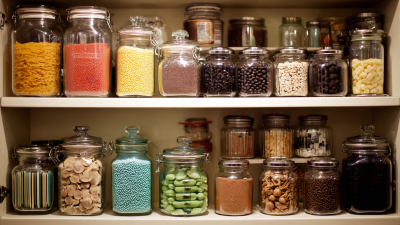
Consider the size of the canisters. They should accommodate various ingredients, from flour to pasta. A couple of larger canisters work well for staples, while smaller ones can store spices. Labeling is still a great feature. It helps avoid confusion, especially with similar-looking items.
Lastly, while aesthetics are important, don’t forget practicality. Some canisters may look stunning but may not hold up under daily use. Reflect on your kitchen habits. What works well now? Will it still suit your 2026 needs? Choose wisely for both beauty and function.
Top Kitchen Canisters to Elevate Your Kitchen in 2026
Styling Tips: Integrating Canisters into Your Kitchen Aesthetic
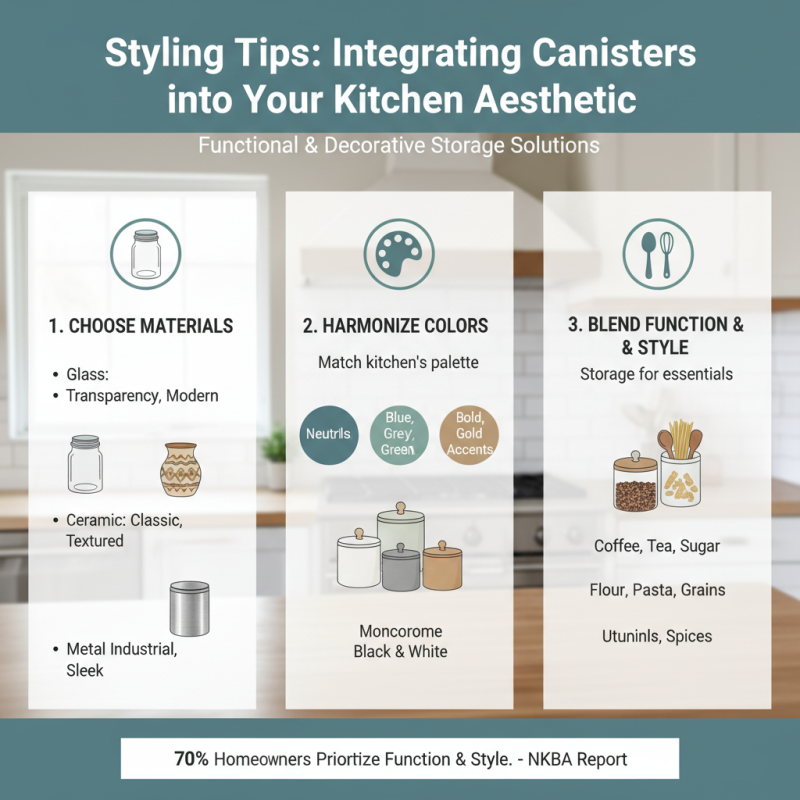
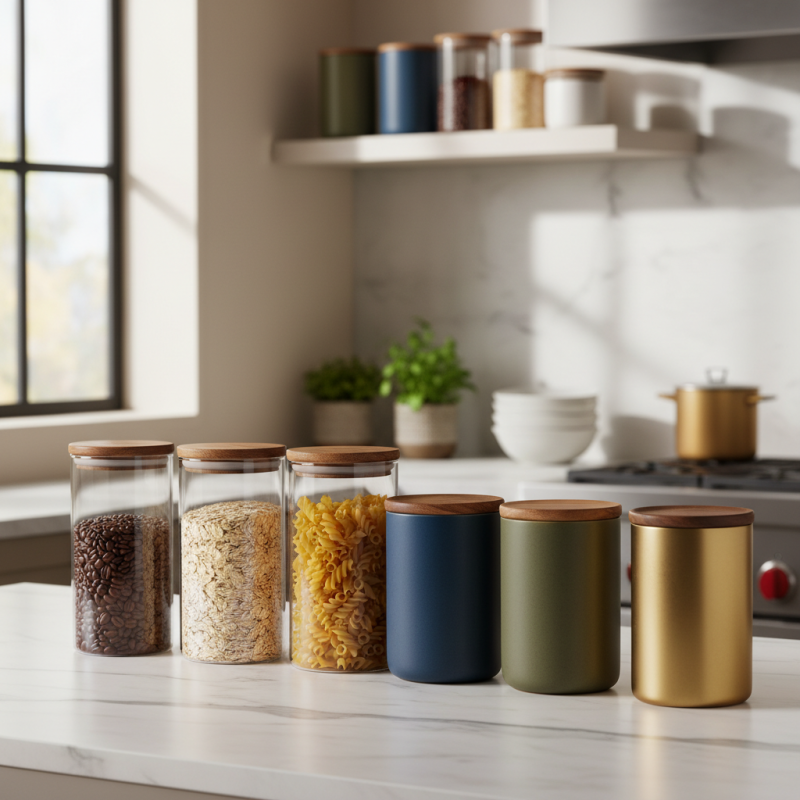
Integrating canisters into your kitchen can profoundly enhance your space’s aesthetic. A report by the National Kitchen and Bath Association highlights that 70% of homeowners prioritize functionality alongside style. Canisters offer a perfect blend of both, serving not only practical purposes but also acting as decorative elements. Opt for materials like glass, ceramic, or metal to create a cohesive look, while ensuring they align with your kitchen’s overall color scheme.
When arranging canisters, consider varying heights for visual interest. Grouping canisters in sets of three can create balance on shelves or countertops. Factoring in an easy-to-clean design can add to your workflow efficiency. A study from the American Journal of Kitchen Design asserts that ease of maintenance can significantly impact a kitchen’s overall functionality.
Remember to think about transparency. Clear canisters allow you to see contents at a glance, facilitating meal prep. However, an abundance of visibility may overwhelm. Some homeowners choose to label canisters to maintain organization. Also, don’t shy away from imperfections. Unique shapes or vintage finds can bring character and provoke conversation. Balancing functionality and aesthetics is key. It invites reflection on the space's purpose while boosting its charm.
Sustainable Options: Eco-Friendly Canisters for the Conscious Cook
When designing a sustainable kitchen, eco-friendly canisters are essential. These containers help store ingredients while also caring for the environment. Look for canisters made from glass, bamboo, or recycled materials. They not only reduce plastic waste but also add style to your kitchen.
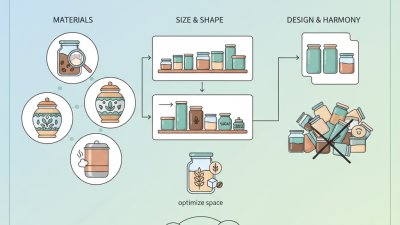
Choosing the right canisters can be tricky. Some options might not seal well, leading to moisture issues. Investing in quality canisters that offer airtight seals is crucial. Additionally, consider the size and shape. Bulky canisters might not fit your kitchen aesthetics. Reflect on how each piece will enhance your space.
Finding the balance between sustainability and functionality can be challenging. You may face choices that prioritize one over the other. Take the time to research different materials. Understanding their impact can lead to better decisions. Use canisters that reflect your values and style, promoting a conscious cooking experience.
Top Kitchen Canisters to Elevate Your Kitchen in 2026 - Sustainable Options: Eco-Friendly Canisters for the Conscious Cook
| Canister Type |
Material |
Capacity (Liters) |
Sustainability Feature |
Price ($) |
| Bamboo Canister |
Bamboo |
1.5 |
Biodegradable |
25 |
| Glass Canister |
Recycled Glass |
2.0 |
Recyclable |
30 |
| Stainless Steel Canister |
Stainless Steel |
1.8 |
Durable & Reusable |
35 |
| Ceramic Canister |
Eco-Friendly Clay |
2.5 |
Non-Toxic |
40 |
| Silicone Canister |
Food-Grade Silicone |
1.2 |
Recyclable |
20 |