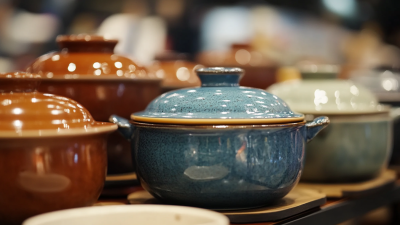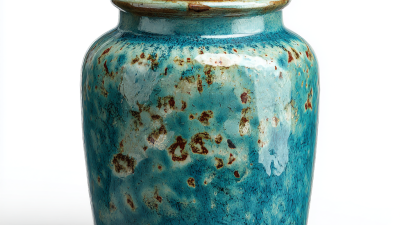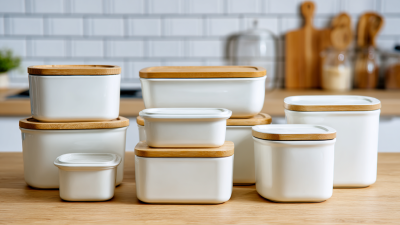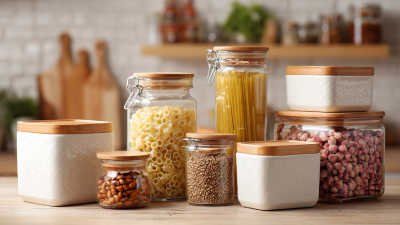


Choosing the right Ceramic Food Storage Container can greatly enhance your kitchen and food organization. These containers are not only stylish but also functional. They keep your food fresh and safe for consumption. However, selecting the perfect container is not as simple as it seems.
Consider your food storage needs carefully. Look for containers that fit your lifestyle. Some users prefer stackable options to save space. Others need larger sizes for batch cooking. Think about the materials as well. Ceramic offers unique benefits. It’s durable, non-toxic, and versatile for various dishes. Yet, it might not be the best choice for everyone.
Quality matters greatly when choosing a Ceramic Food Storage Container. Not all ceramics are created equal. Investing in high-quality containers can save money in the long run. Be sure to read reviews and consider expert opinions before making a purchase. Remember, the right choice can elevate your meal prep experience.
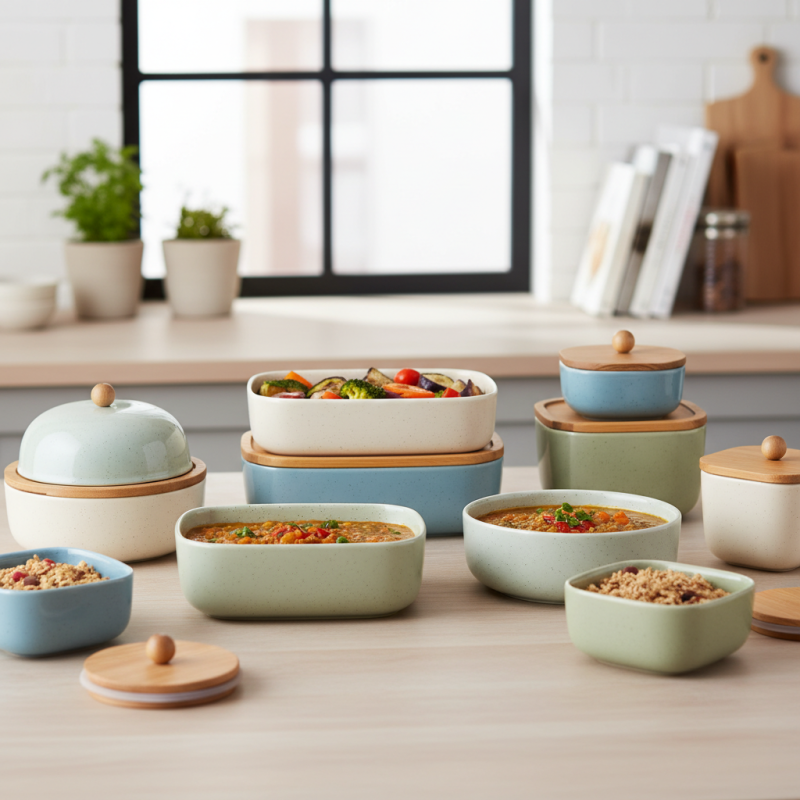
Ceramic food storage containers offer numerous advantages. They are non-reactive, meaning they won’t leach chemicals into your food. This feature helps keep your meals safe. Additionally, ceramic can retain temperature well. Food stored in ceramic stays fresh longer.
When choosing ceramic containers, consider their size. Look for options that fit your kitchen space and storage needs. Too large may waste space, while too small can be inefficient. Ensure a tight lid seal to keep food fresh. A secure fit prevents spills and air exposure. Inspect the quality of the ceramic. Thinner ceramics may chip easily, affecting longevity.
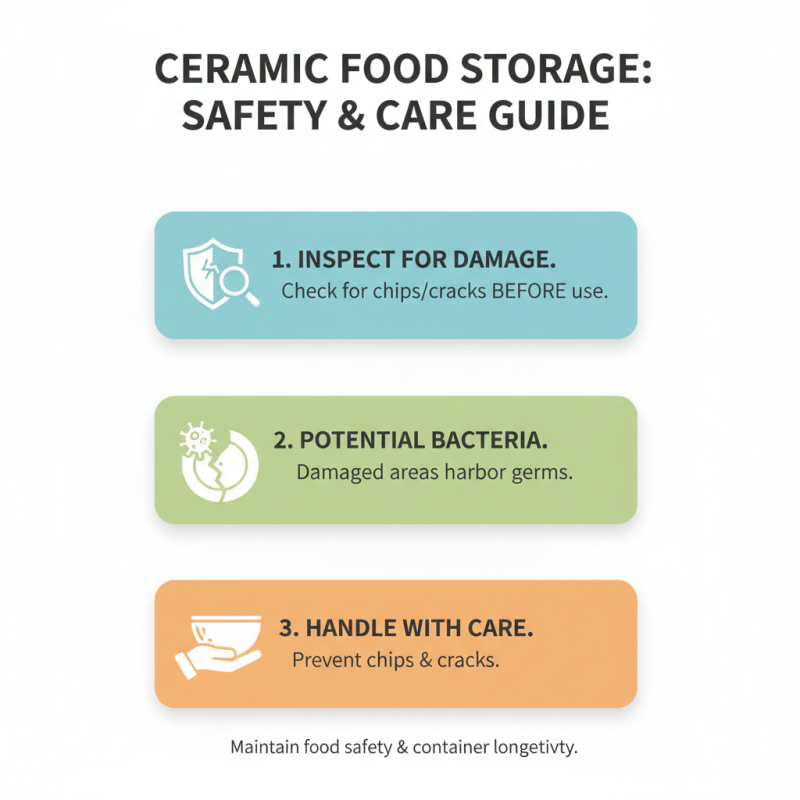
Be aware of the glaze on your containers. Some glazes may contain harmful substances. Opt for ceramic that is labeled food-safe. Always check for any cracks in the ceramic. Cracks can harbor bacteria and lead to food spoilage. Regular maintenance is crucial. Clean your containers properly to ensure they remain hygienic and durable.
| Tip | Description | Benefits |
|---|---|---|
| 1. Consider the Size | Choose a size that fits your storage needs, be it small containers for spices or larger ones for bulk items. | Maximizes storage efficiency and convenience. |
| 2. Look for Airtight Lids | Ensure the containers have lids that provide an airtight seal to keep food fresh longer. | Prevents spoilage and retains flavors. |
| 3. Check for Non-Toxic Materials | Make sure the ceramic is lead-free and food-safe to ensure no harmful substances leach into food. | Ensures safety for you and your family. |
| 4. Opt for Microwave-Safe Options | Select containers that are safe for microwave use for convenient reheating. | Convenience and multifunctionality. |
| 5. Choose Stylish Designs | Pick designs that complement your kitchen décor for aesthetic appeal. | Enhances kitchen aesthetics. |
| 6. Evaluate Durability | Look for high-quality ceramic that withstands daily wear and tear. | Long-lasting investment compared to cheaper alternatives. |
| 7. Assess Weight | Consider whether you prefer lightweight or heavier containers that may offer better stability. | Personal preference for handling and storage. |
| 8. Look for Stackability | Choose containers that can be stacked easily to save space. | Maximizes storage capabilities in cabinets or on shelves. |
| 9. Research Thermal Resistance | Find ceramic that can withstand temperature changes without cracking. | Safety during cooking or storage in extreme temperatures. |
| 10. Read Customer Reviews | Check online reviews for insights into performance and satisfaction from other users. | Informed decisions based on real user experiences. |
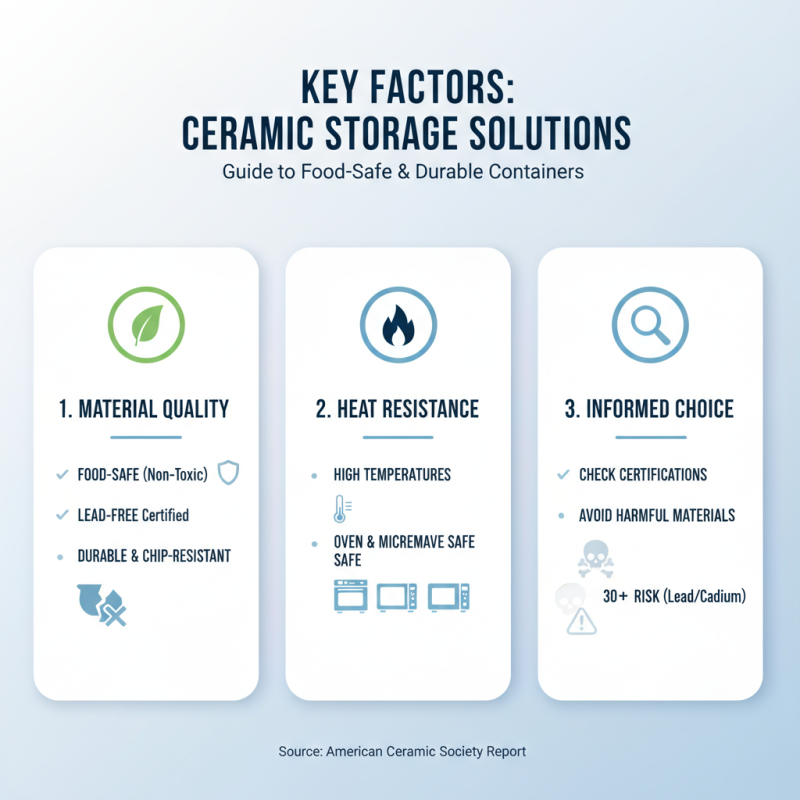
When selecting ceramic food storage containers, certain key factors should guide your decision. The material should be food-safe, durable, and resistant to chipping. According to a report by the American Ceramic Society, ceramics can withstand high temperatures, making them ideal for various uses. Look for products labeled as lead-free to ensure safety. Over 30% of ceramic products may still contain harmful materials, which makes careful selection essential.
Consider the size and shape of containers. They should meet your specific storage needs, whether for leftovers or bulk items. Research shows that stackable designs save space, maximizing kitchen efficiency. Not every container will fit your lifestyle, so you may need to invest time in finding the right ones. Some users may choose aesthetically pleasing designs over functionality, but this can lead to frustration later on.
Lastly, evaluate the sealing mechanism of the containers. A tight seal can prolong the freshness of food, reducing waste. Interestingly, a survey from the Food Storage Institute revealed that improper sealing contributes to 25% of food spoilage at home. Look for containers with silicone or rubber seals, as they provide an airtight environment. Making informed choices based on these factors will ultimately enhance your food storage experience.
When selecting ceramic food storage containers, evaluating size and shape is crucial for functionality. A 2022 report from the International Journal of Food Science indicated that about 40% of food waste occurs due to improper storage. Choosing the right container can significantly reduce waste. For instance, shallow containers are ideal for items like leftovers, while tall ones are better for pasta or cereal.
Consider your pantry or fridge layout when picking containers. A container that's too wide may waste space, while one that's too narrow may require multiple purchases. Container shapes that fit snugly within your shelves promote better organization. It’s important to ensure that the lids fit securely. Loose lids can lead to spills and spoilage. Easy-to-use containers also encourage proper storage practices.
Here’s a tip: always measure the intended storage area before buying. Aim for versatility by selecting sizes that accommodate various food types. Avoid overly complex shapes, as they can make stacking and access cumbersome. Remember, functionality is key; aesthetic appeal should not compromise usability.
When choosing ceramic food storage containers, lid options play a crucial role in maintaining food freshness. A tight seal can greatly hinder moisture and air exposure. Glass-lined lids tend to offer superior sealing compared to plastic ones, creating an effective barrier. However, some may find glass lids heavy and cumbersome. Pay attention to the fit of the lid. A loose fit can lead to spoilage and wasted food.
Consider the materials used in the lid construction. Silicone or rubber gaskets can enhance sealing efficiency, helping to keep food fresher for longer. Many people overlook the impact of these small components. They might appear insignificant but can make a big difference over time. Remember that even the highest quality ceramic can be compromised by a poorly designed lid.
Cleaning and maintenance are also essential. Scratches or wear on the lid can affect the seal. Always inspect lids for damage before use. Storing lids properly will prolong their life. Using labeled containers can help remind you of the correct lid pairings. These details matter, as they contribute to the overall effectiveness of your food storage strategy.
When it comes to ceramic food storage containers, safety and care are paramount. These containers can be prone to chipping or cracking if mishandled. Always inspect them for any existing damage before using them. Small chips might not seem significant, but they can harbor bacteria and compromise food safety.
Cleaning ceramic containers is essential. Use warm, soapy water and a soft sponge. Avoid abrasive cleaners, as they can scratch the surface. Dishwasher use is often safe, yet hand washing is gentler. Ensure they are completely dry before storing to prevent mold growth.
Microwave safety is another consideration. Not all ceramic containers are microwave-safe. Check for labels indicating microwave suitability. A few containers may heat unevenly and could crack during use. It's wise to test them with short heating intervals to avoid surprises. If in doubt, choose glass or stainless steel alternatives, which often have clearer guidelines for use.