How to Choose Kitchen Canisters for Your Business
Choosing the right Kitchen Canisters can quietly improve your business operations. In a bakery, café, restaurant, or retail shop, storage affects freshness, speed, hygiene, and presentation. A loose lid can soften biscuits overnight. A narrow opening can slow service during a busy breakfast shift. Small details matter.
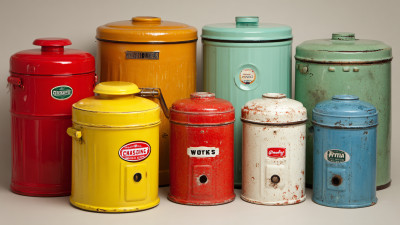
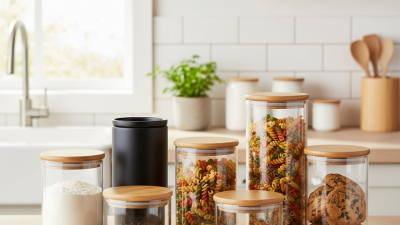
This guide explains how to evaluate canister materials, capacities, seals, shapes, and cleaning requirements. It considers daily handling, staff workflow, shelf space, and customer visibility. Stainless steel may suit demanding kitchens, while clear glass can support attractive product displays. Food-grade plastic may offer lighter handling and reduced breakage risks. The best option depends on your products and working environment.
Measure before purchasing. Check whether a canister fits beneath shelves or beside coffee equipment. Consider flour dust, oil residue, frequent washing, and repeated opening. Reliable suppliers should provide material information, care instructions, and consistent product specifications. These details support safer purchasing decisions and long-term value.
Avoid choosing by appearance alone. It looks good. That is not enough. A beautiful container may become inconvenient when its lid sticks or its base slides. I have seen storage choices that seemed practical during sampling but failed during crowded service. That experience deserves reflection. Testing a small batch before placing a large order can reveal problems early. With careful comparison, Kitchen Canisters can support cleaner storage, smoother routines, and a more professional customer experience.

Define Your Business’s Kitchen Canister Requirements
How to Choose Kitchen Canisters for Your Business
Define Your Business’s Kitchen Canister Requirements
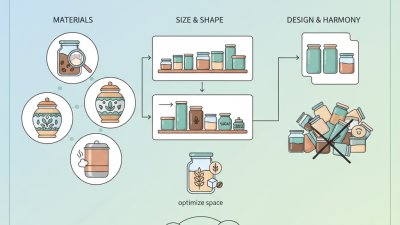
Start with your ingredients, service volume, and kitchen layout. A bakery may need tall canisters for flour, while a café may need smaller units for tea, sugar, and toppings. Measure each storage shelf before choosing a capacity. A container that fits the product may not fit the workspace.
Consider material, closure style, and cleaning demands. Stainless steel offers durability in busy kitchens. Clear food-safe containers improve stock visibility and reduce unnecessary opening. Airtight lids help protect dry ingredients from moisture, odors, and pests. Check whether seals, corners, and lids can be cleaned thoroughly. Small gaps cause trouble. Your first estimate may be wrong.
Tips: Track ingredient usage for seven days. Note peak service periods. Choose canisters that hold slightly more than normal demand, but avoid excessive capacity. Heavy containers may slow staff during rushes. Label every unit with the ingredient name, refill date, and allergen information when relevant. Test one container in the real workflow before ordering several. Watch how staff lift it, clean it, and return it to storage. A neat design can still fail under pressure.
Evaluate Seals, Hygiene, Durability, and Ease of Use
How to Choose Kitchen Canisters for Your Business
For a busy kitchen, a canister must protect ingredients from moisture, dust, and frequent handling. I have found that the seal deserves more attention than appearance. A tight silicone gasket should close evenly around the lid. Test it with dry flour or sugar. If clumps form after several days, the seal may be unreliable. Avoid lids that need excessive force, especially during fast service.
Hygiene depends on simple cleaning. Choose smooth interiors without deep grooves, hidden hinges, or narrow corners. These areas can trap oil and fine particles. Wide openings make scooping easier and allow staff to inspect the bottom. Food-safe materials matter, but material claims should be verified through supplier documentation. Durability also affects hygiene. Cracked plastic and chipped surfaces are difficult to clean properly. Stainless steel can resist heavy use, though it may show fingerprints quickly. That is not a serious problem, but it requires more wiping.
Ease of use should match the kitchen’s rhythm. Clear labels, stable bases, and stackable shapes reduce mistakes during busy shifts. I once selected tall containers to save shelf space, but staff found them awkward to reach. That choice looked efficient on paper. It was not. Review how workers actually lift, refill, and wash each canister. Replace damaged seals promptly, and record cleaning checks when several people share the same storage area.
Balance Purchase Costs, Maintenance, and Long-Term Value
How to Choose Kitchen Canisters for Your Business
Choosing kitchen canisters involves more than comparing shelf prices. Purchase cost is only the first figure. I have found that busy kitchens often spend more on weak lids, cracked containers, and difficult cleaning. Compare capacity, material thickness, seal quality, and replacement availability before placing a large order. A slightly higher price may be sensible when one canister lasts several years. However, expensive does not always mean better. Test a small quantity first.
Maintenance affects labor every day. Choose shapes that staff can wash quickly and inspect easily. Wide openings help remove flour, rice, and sticky ingredients without scraping corners. Smooth surfaces reduce residue and unpleasant odors.
Airtight seals can protect ingredients, but they need regular inspection. A worn gasket may look acceptable while allowing moisture inside. That small failure can damage stock and interrupt service.
Consider stacking stability, shelf space, and the risk of breakage near busy preparation areas. My own preference is practical, not perfect: some attractive containers simply require too much handling.
Tips: Calculate the cost per usable year, not just the purchase price. Ask staff to test opening, carrying, and cleaning. Record damaged units for three months. This reveals the real maintenance pattern. Review the results carefully. A canister that saves ten seconds per task may create meaningful savings across a large kitchen. Still, durability claims should be verified through samples, supplier specifications, and actual workplace use. Mistakes happen. Reflect and adjust.