

65337edc2x

Leave Your Message

How to Choose a Ceramic Food Storage Container in 2026?

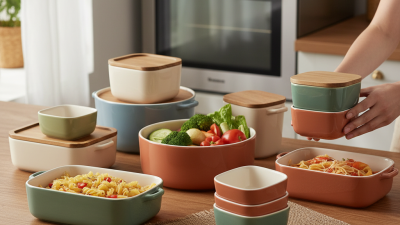
Choosing a Ceramic Food Storage Container in 2026 means looking beyond color and glaze. The right piece should fit your routine: a snug lid for leftovers, a stable base for crowded shelves, and a shape that makes scraping out the last spoonful easy. Small details matter.

The market is growing, but broad figures need context. Grand View Research estimated the global ceramic tableware market at about US$11.2 billion in 2022 and projected continued growth through 2030. That category includes many products, not just food-storage containers. Treat it as market context, not proof that every container offers the same quality. The U.S. Food and Drug Administration also advises consumers to avoid ceramicware that may leach lead, especially damaged or improperly made pieces. Check the maker’s food-use information, inspect the glaze, and look for cracks, chips, or rough spots around the rim.

There is no expert quotation supplied here that can be independently verified, so inventing one would weaken trust. Instead, this guide uses practical checks: container capacity, lid fit, glaze condition, and care instructions. A beautiful jar can still disappoint if its lid rocks or its shape wastes refrigerator space. And “dishwasher safe” does not always mean every component is. Choose with care, then reconsider what you actually store most often.
How to Choose a Ceramic Food Storage Container in 2026?

What Defines a Ceramic Food Storage Container?

A ceramic food storage container is a vessel whose main body is made from fired clay. Its finished surface is often covered with glaze, creating a smooth layer that helps resist stains and makes washing easier. “Ceramic” describes the material, not a guaranteed level of performance. The clay type, firing process, glaze quality, and construction all affect durability. Look for clear information that the glazed surfaces are intended for food contact. A glossy finish alone is not proof.

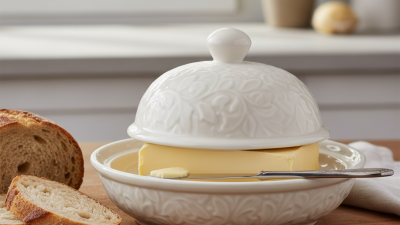
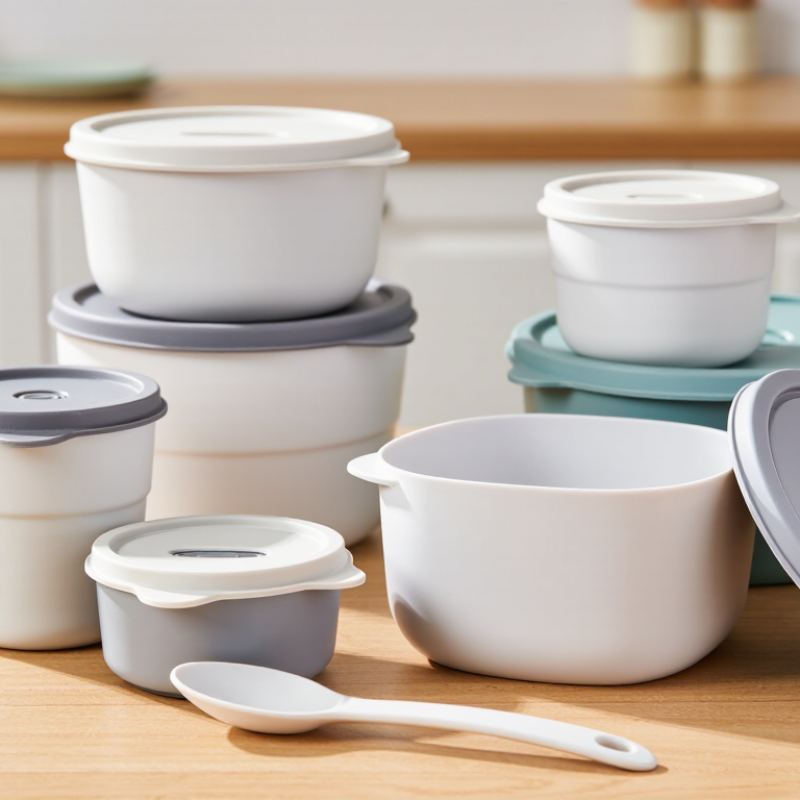
The container may have a ceramic lid, or a lid made from another material, such as wood or silicone. That detail affects how well it seals; ceramic by itself does not make a container airtight. Some lids simply rest on top, while others use a gasket to limit air exchange. Check the fit, especially if you plan to store leftovers with strong aromas. A close seal matters.

In everyday use, ceramic can feel sturdy and resist lingering food odors, but it can chip or crack if dropped. Sudden temperature changes may also damage some pieces, so check the maker’s care guidance before moving a container from a refrigerator to a hot oven. I would not assume every ceramic piece is oven-safe. That distinction is easy to miss. Inspect the rim and glaze for rough spots, and consider whether the container is comfortable to lift when full.
How to Choose a Ceramic Food Storage Container in 2026

A ceramic food storage container is made from fired clay, often with a glaze on its food-contact surface. Choose an intact, food-safe glaze and follow the maker’s instructions for storage, heating, and cleaning. The chart compares U.S. FDA guidance levels for lead released from different types of ceramicware.

Lower values indicate lower FDA action levels for lead leaching. These are U.S. FDA guidance levels, not universal standards or a guarantee that a particular container is safe. Source: FDA Compliance Policy Guide, Sec. 545.450.

How Ceramic Materials and Glazes Affect Food Safety

A ceramic container’s safety depends on more than its smooth, attractive surface. The clay body provides structure, while the glaze creates the food-contact layer. A stable, properly fired glaze helps seal the porous ceramic beneath it. But shine alone proves nothing. A bright finish can still require careful testing.

When choosing a container, look for clear information that its glaze has been tested for food contact, including possible lead or cadmium migration. Ask whether the results apply to the finished product, not just the raw materials. This detail is easy to overlook. A vague “non-toxic” claim does not tell you how the container performs with food. That judgment can be wrong.

Glaze condition matters during everyday use. Fine networks of cracks, called crazing, may trap residue; chips can expose the ceramic body. Be cautious with containers that have damaged surfaces, especially when storing acidic foods such as tomato sauce or citrus. Check care instructions for microwave and dishwasher use, since heat and repeated washing can worsen defects. I would not judge safety by appearance alone. A plain, well-documented container is often a more reassuring choice than a glossy one with unanswered questions.

How to Choose a Ceramic Food Storage Container in 2026? - How Ceramic Materials and Glazes Affect Food Safety
Ceramic Type or Feature Typical Material Characteristics Food-Safety Considerations What to Check Before Buying Practical Suitability
Porcelain Usually fired to a dense, low-absorption body; actual performance depends on the clay body and manufacturing process. A sound, food-contact-compliant glaze provides a smooth surface. Porcelain itself does not guarantee that a glaze or decoration is suitable for food contact. Look for explicit food-contact suitability and care instructions. Check that the rim, interior, and any decorated areas are intact. Often a practical option for everyday storage when the maker confirms food use and the container has a well-fitting lid.
Stoneware Typically thicker and heavier than porcelain. Many stoneware bodies are fired to become relatively dense, but absorption varies by product. Food safety depends on the body, glaze, firing, and condition. A chipped or cracked glaze can be harder to clean and may expose the underlying ceramic. Confirm the item is intended for food storage; inspect for cracks, chips, rough patches, and crazing (a network of fine glaze cracks). Suitable for many foods if intact and labeled for food use. Its weight may make large filled containers less convenient to handle.
Earthenware Generally fired at lower temperatures than porcelain or stoneware and may be more porous, depending on its composition and firing. The glaze is especially important when the body is porous. A damaged or unsuitable glaze can allow the body to absorb moisture and food residues. Choose a container explicitly made for food contact. Avoid storing food in unglazed or visibly damaged areas unless the maker specifically confirms safe use. Can be used for food when properly made and maintained; check cleaning, soaking, and storage instructions carefully.
Glaze and decoration Glazes create a glass-like surface; colors, decorative finishes, and firing methods differ among products. Lead or cadmium can be a concern in some ceramic glazes or decorations if they are not properly formulated or fired. Acidic foods may increase migration from an unsuitable or damaged surface. Ask for confirmation that the finished item complies with food-contact rules applicable where it is sold. Prefer clear documentation over an unsupported “non-toxic” claim. Use only intact, food-contact-suitable surfaces for storing food, especially acidic foods such as tomato-based dishes or citrus.
Unglazed interior An unglazed surface may absorb liquids, oils, odors, or food residues if the ceramic body is porous. Absorption can make cleaning and odor control more difficult. Suitability depends on the ceramic body and the maker’s intended-use instructions. Check whether the interior is intended for direct food contact and whether the manufacturer permits storage of moist or oily foods. For routine food storage, a smooth, intact, food-safe glazed interior is generally easier to clean.
Handmade, vintage, or unknown-origin ceramics Materials, glaze recipes, firing conditions, and previous use may be unknown or inconsistent. Appearance alone cannot confirm that a ceramic item is free from harmful metal migration or suitable for food contact. Use only when food-contact safety is documented or appropriately tested. Do not rely on home tests or visual inspection to establish safety. When safety information is unavailable, choose a documented food-storage container instead.
Lid, seal, and care instructions Lids may be ceramic or made from another material; a lid’s fit and seal vary by design. A lid helps limit spills and exposure but does not make food shelf-stable or replace refrigeration. Dishwasher, microwave, and oven suitability are product-specific. Check the seal, lid material, and stated temperature and cleaning limits. Avoid sudden temperature changes unless the maker says the item can withstand them. Choose a secure, easy-to-clean lid for refrigerated leftovers, and follow the maker’s instructions for heating and washing.

Selection note: Ceramic type alone does not establish food safety. Prioritize a container explicitly intended for food contact, with an intact surface and clear care instructions; requirements and testing rules vary by location.

How to Choose the Right Size and Shape for Your Needs

Choosing a ceramic container starts with the food you actually store, not the prettiest shelf display. Measure the fridge shelf, lunch bag, or cupboard before buying. A wide, shallow dish suits leftovers you want to cool and reheat evenly; a taller, narrow jar uses less shelf width for grains or snacks. Match capacity to one meal or one regular recipe. Oversized containers can leave food buried and forgotten. Small is safer.

Shape matters when space is tight. Rectangular containers usually line up neatly on flat shelves, while round bowls work well for soups and salads but leave corner gaps. Check the lid fit and leave headroom for foods that may shift. UNEP’s Food Waste Index Report 2024 estimates that households generated 60% of global food waste in 2022, about 631 million tonnes. Better portioning cannot solve food waste alone, but visible, meal-sized storage can make leftovers easier to find. USDA estimates that 30–40% of the U.S. food supply is lost or wasted. These figures describe a broad problem, not a guaranteed benefit from ceramic storage. I misjudge this. Measure your most-used shelf and portion before choosing a set; a slightly awkward container may still be the one you reach for daily.

How to Compare Lids, Seals, Durability, and Care

A ceramic container’s lid affects daily use more than its color or shape. Check that it sits flat and stays steady when you lift the container by its sides. A loose lid can let pantry odors in, even when the container looks closed. For dry foods, a close-fitting lid may be enough. For leftovers, look for a replaceable silicone gasket and test whether it seals evenly around the rim. No seal is perfect forever.

Feel the rim for small chips or rough spots, especially where the lid makes contact. Glazed ceramic resists stains and absorbs less moisture, but a hard knock on a counter can still crack it. Heavier pieces may feel sturdy yet become awkward when full. That trade-off matters. I would choose a manageable size over a thick, oversized container, though my own preference may not suit every kitchen.

Check whether the lid and container are both dishwasher-safe; some lids need hand washing. Remove a gasket occasionally, if the design allows, and clean the groove where crumbs or moisture can collect. Let everything dry fully before closing it. A faint stain may remain after tomato sauce, and scrubbing harder is not always the answer. Avoid sudden temperature changes unless the care instructions specifically allow them. The instructions matter.

How to Assess Value and Make a Final Choice in 2026

Assess value by comparing usable capacity, seal quality, and expected lifespan, not price alone. A container that holds one serving neatly may be more useful than a large, awkward bowl. Check the lid’s fit, the glaze for cracks, and the base for a stable, flat finish. A loose lid can let odors escape. Ceramic also weighs more than many alternatives, so consider how often you will lift it from a crowded refrigerator. Confirm microwave or oven suitability on the maker’s care label; lids may have different limits.

There is a practical reason to reduce leftovers lost to poor storage.

The U.S. EPA’s 2019 Wasted Food Report estimated that homes, businesses, and institutions generated 66 million tons of wasted food; about 60 percent went to landfill.

An older USDA Economic Research Service analysis estimated 31 percent of the U.S. food supply was lost at retail and consumer levels in 2010. That baseline is dated, so it is not a current household forecast. Still, it gives useful context: a container earns its cost only when it fits the food you actually save. Picture yesterday’s rice, cooled and portioned, not an idealized pantry. I would also check replacement-lid availability before buying; that detail is easy to overlook.