Why Choose Ceramic Tableware for Global Importing Opportunities?
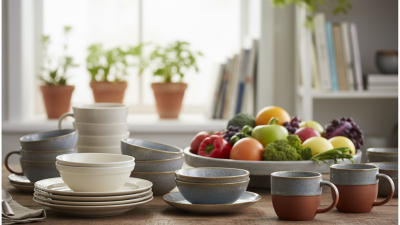
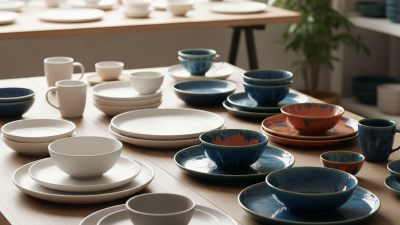
Ceramic tableware has become a cornerstone in the global import market. This material is celebrated for its aesthetic appeal and durability. Importers are increasingly attracted to ceramic tableware due to its wide range of designs, colors, and functionality. These products often reflect cultural artistry, making them desirable in various markets.
Choosing ceramic tableware requires careful consideration. While it holds many benefits, challenges exist in shipping and handling. Importers must navigate quality control, potential breakage, and varying standards across regions. Developing reliable relationships with manufacturers is essential to address these issues.
The growing trend towards sustainable and eco-friendly products enhances the value of ceramic tableware. This shift reflects consumer demand for products that are both beautiful and responsibly sourced. Yet, there remains a need for ongoing assessment of production practices. Understanding the complexities of importing ceramic tableware is crucial for success in this competitive landscape.
Benefits of Ceramic Tableware in Global Markets
Ceramic tableware has gained popularity in global markets for several compelling reasons. A significant advantage is its durability. According to a recent industry report, ceramic products can last over a decade with proper care, making them a wise investment. Importers often seek long-lasting items, ensuring customer satisfaction. This durability contributes to less waste in landfills, appealing to environmentally conscious consumers.
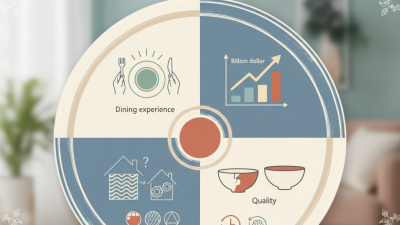
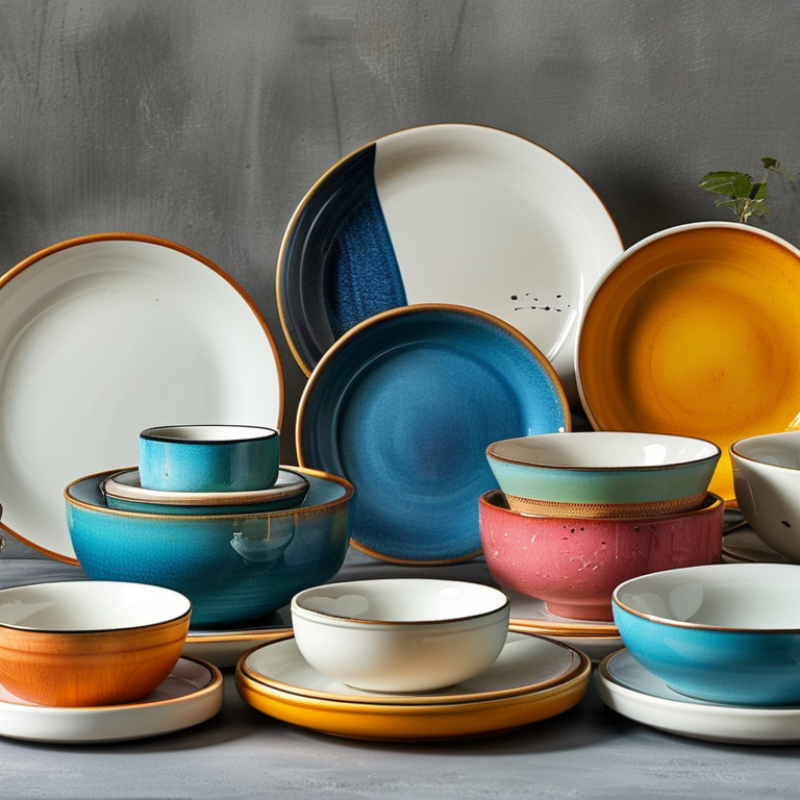
Furthermore, ceramic tableware offers aesthetic appeal. More than 70% of consumers consider design when purchasing dinnerware. Unique glazes and intricate designs add character to any dining experience. This aligns with trends favoring personalized products. However, buyers must also be aware of varying quality levels. Not all ceramics are created equal; some may chip easily or lack vibrancy. Importers should conduct thorough quality checks to mitigate these risks.
The versatility of ceramic tableware enhances its marketability. It is suitable for casual meals and formal occasions. According to market analysis, demand for ceramic items has increased by 15% annually. This growth showcases the opportunity for importers to cater to diverse consumers. Yet, competition is fierce. New entrants must differentiate their offerings to capture market share. Balancing cost and quality presents a challenge that requires careful strategy.
Eco-Friendly Production Practices of Ceramic Tableware
Ceramic tableware is gaining attention, especially for its eco-friendly production practices. The entire process, from raw materials to finished products, can have a low environmental impact. Natural clay and minerals are often sourced locally, reducing transportation emissions. Additionally, many manufacturers implement recycling programs to minimize waste.
The manufacturing process itself can also be eco-conscious. Many ceramic producers use renewable energy sources in their kilns. This shifts reliance away from fossil fuels, which is crucial for a greener future. While more brands are adopting these practices, not every manufacturer is on board, which shows room for improvement.
Sourcing ceramic tableware encourages a shift toward more sustainable consumption. However, buyers must research and evaluate producers. Not all ceramics are eco-friendly; some still use harmful glazes. Consumers must be vigilant in distinguishing quality products. By supporting responsible manufacturers, we can foster a more sustainable global market for ceramic goods.
Cultural Significance and Versatility of Ceramic Tableware
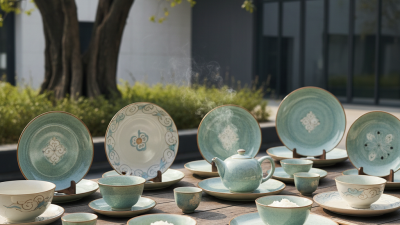
Ceramic tableware holds a vibrant cultural significance across many societies. In Asia, it reflects centuries of artistry and tradition, often used in ceremonies. Its intricate designs showcase local craftsmanship and heritage, making it a prized possession. Similarly, in European cuisines, handmade ceramics are considered essential for presenting dishes beautifully. They elevate everyday dining experiences, offering both function and aesthetics.
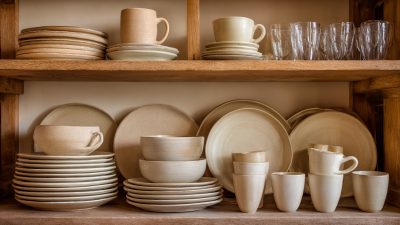
The versatility of ceramic tableware is another reason for its global appeal. It seamlessly transitions from formal events to casual gatherings. This adaptability allows importers to tap into various market segments. However, one must consider the fragility of ceramic items. They require careful packaging for transportation. Mistakes in handling can lead to breaks and losses, potentially harming reputation. This aspect necessitates attention and planning in the importing process.
Ceramic tableware also invites reflection on sustainability. Many manufacturers explore eco-friendly practices to create their products. Importers should prioritize sourcing from brands that prioritize environmental responsibility. This thoughtful approach can resonate with consumers who value sustainable choices. Balancing tradition with modern needs is crucial in this evolving market. Embracing the rich history of ceramics while ensuring practicality will make for a rewarding venture.
Market Trends Driving Demand for Ceramic Tableware
The demand for ceramic tableware is influenced by several market trends. First, the shift towards sustainable products drives consumers to seek eco-friendly options. Ceramic tableware is often made from natural materials. This appeals to environmentally conscious buyers. As awareness of sustainability grows, more individuals prefer items that are reusable and durable.
Moreover, the rise of e-commerce has made global importing easier. Businesses can now access a wider range of ceramic options. This variety caters to diverse consumer preferences. High-quality ceramic pieces often feature unique designs. These artistic elements attract customers looking for something special for their homes.
However, potential challenges exist in this market. Quality control is critical when importing ceramics. Variations in manufacturing processes can affect product consistency. Importers must be vigilant about sourcing from reliable suppliers. Additionally, trends change rapidly. Keeping up with consumer tastes is essential but can be demanding. This complexity adds layers to an already multifaceted industry.
Challenges and Solutions in Importing Ceramic Tableware
Importing ceramic tableware can be a rewarding venture. However, challenges often arise during the process. Quality control stands out as a significant concern. Ensuring that products meet safety and durability standards is vital. Diverse manufacturing practices can lead to variations in quality. This inconsistency demands thorough inspections and quality checks.
Another obstacle is understanding the complex regulations that accompany the import process. Each country has its own set of rules. Familiarity with these regulations is crucial to prevent costly delays. Importers need to stay informed about changing legal requirements. This requires a proactive approach and continuous learning.
Logistics can also present challenges in transporting ceramic items. They are fragile and can break easily. Finding reliable shipping partners is essential to mitigate risks. Proper packaging is key to preventing damage during transit. Importers must invest time in developing strong relationships with suppliers and shipping companies. Flexibility and keen observation are necessary traits in this ever-changing market landscape.