

65337edc2x

Leave Your Message

Top 10 Ceramic Tableware Trends for Global Buyers?

The global ceramic tableware market continues to evolve, driven by changing consumer preferences and advancements in design. According to a recent market analysis, the industry is expected to grow at a compound annual growth rate (CAGR) of 5.8% over the next five years. This growth highlights the increasing demand for high-quality ceramic products that blend functionality with aesthetic appeal.

Ceramic tableware, known for its durability and versatility, is increasingly favored by buyers seeking sustainable options. The rise of eco-friendly practices in manufacturing has made ceramic products more appealing. However, while many companies emphasize sustainable sourcing, not all adhere to these claims.

This evolving landscape presents challenges and opportunities. Buyers must navigate diverse trends, such as minimalist designs and vibrant glazes. Understanding these shifts can enhance purchasing strategies. Embracing new trends in ceramic tableware is crucial for staying relevant in this competitive global market.
Top 10 Ceramic Tableware Trends for Global Buyers?

Emerging Colors and Patterns in Ceramic Tableware Design

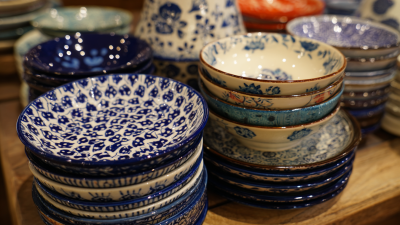
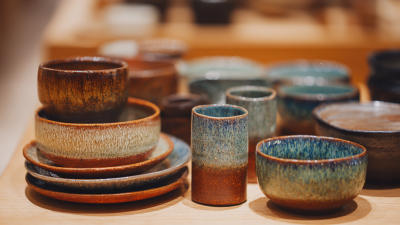
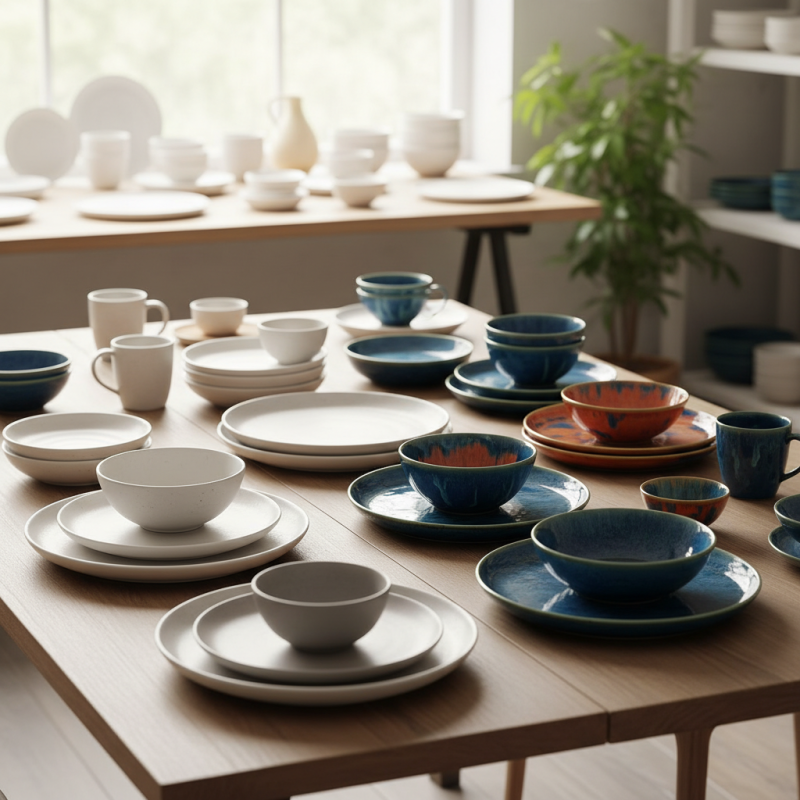
The ceramic tableware market is evolving rapidly, focusing on innovative colors and patterns. Reports indicate that 2023 has seen a significant rise in earthy tones such as terracotta, sage green, and muted blues. These shades evoke a sense of calm and connection to nature. According to industry data, over 45% of global buyers are prioritizing sustainability in their choices, favoring colors that reflect natural elements.

Patterns are also undergoing transformation. Hand-painted designs and organic shapes are gaining popularity. These elements add a personal touch to table settings. Research shows that buyers increasingly seek uniqueness. In fact, around 38% of consumers prefer artisanal pieces that showcase craftsmanship. This move toward individuality highlights a shift from mass-produced items to more personalized collections.

However, the market does face challenges. Supply chain issues can affect the availability of certain colors and patterns. Artisans may struggle with consistent production due to material shortages. A growing emphasis on eco-friendly practices can also complicate sourcing. Brands must navigate these complexities while catering to evolving consumer preferences.

Top 10 Ceramic Tableware Trends for Global Buyers

Sustainable Materials and Eco-Friendly Practices in Tableware Production

The demand for sustainable materials in tableware production is growing. Many buyers are seeking ceramic tableware made from natural and eco-friendly materials. This trend highlights a shift toward sustainability in everyday dining.

Eco-friendly practices in production include the use of non-toxic glazes. These glazes minimize harmful chemical releases. The process of sourcing raw materials also needs to be evaluated. Local sourcing reduces carbon footprints in transportation. However, ensuring a stable supply chain remains a challenge.

There is also a focus on durability and design. Buyers prefer tableware that lasts, reducing waste over time. Innovative designs can use less material while still looking appealing. But balancing aesthetics with eco-consciousness can be difficult. Many producers are still figuring out the right approaches. The market is evolving, and continuous reflection is necessary.

Influence of Cultural Trends on Ceramic Tableware Styles

Top 10 Ceramic Tableware Trends for Global Buyers?

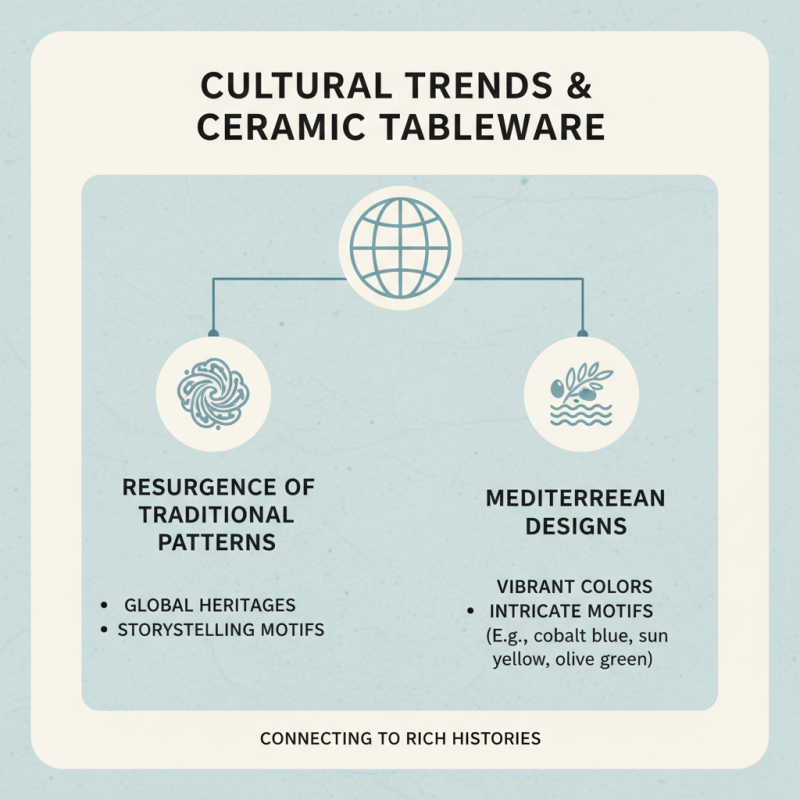
Cultural influences shape ceramic tableware styles in profound ways. In recent years, we have seen a resurgence of traditional patterns that harken back to various global heritages. For instance, Mediterranean designs often showcase vibrant colors and intricate motifs. These patterns tell stories, connecting buyers to the rich histories of the regions they represent.

On the other hand, minimalism remains a strong contender. Clean lines and neutral tones dominate modern design preferences. This trend may reflect a collective desire for simplicity and mindfulness. Yet, it raises questions about the loss of cultural identity in favor of global uniformity. While these sleek designs appeal to many, they may lack the emotional resonance found in more elaborate styles.

Furthermore, sustainability plays an ever-growing role in consumer choices. Many buyers now seek ethically made ceramic ware. They appreciate craftsmanship that honors traditional methods. However, balancing innovation with tradition can be challenging. Some artisans struggle to modernize their practices without losing their cultural essence. This ongoing dialogue between the old and new continues to shape the future of ceramic tableware.

Innovative Functionalities: Multi-Purpose Ceramic Items for Modern Dining

Top 10 Ceramic Tableware Trends for Global Buyers?

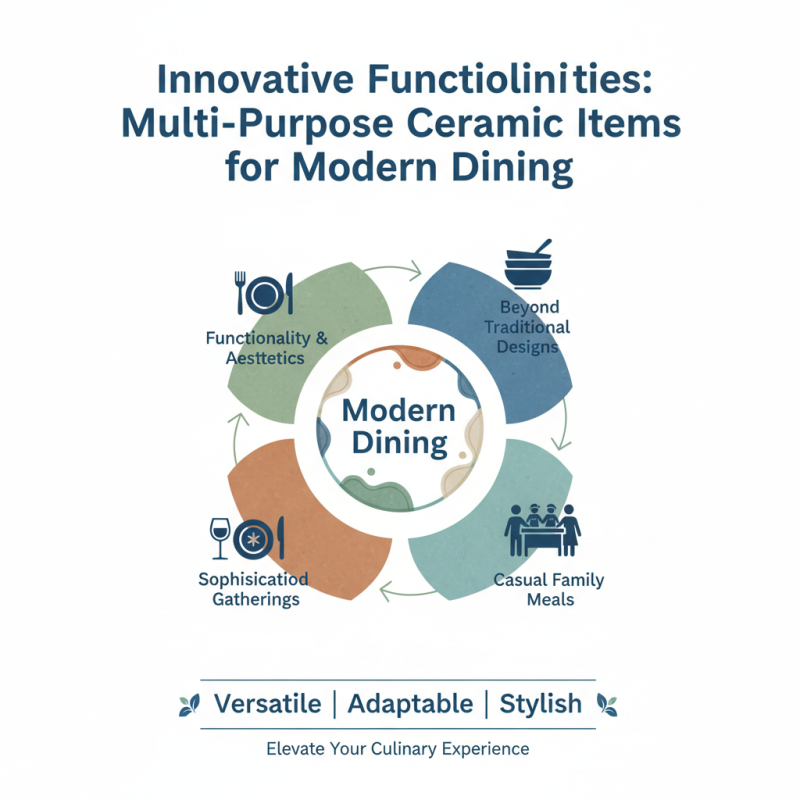
In recent years, ceramic tableware has evolved beyond traditional designs. Modern dining demands multi-purpose ceramic items that blend functionality and aesthetics. These innovative pieces cater to various dining experiences, whether casual family meals or sophisticated gatherings.

For instance, consider a ceramic serving dish that doubles as a baking pan. It’s a convenient solution for busy hosts. Creative shapes and sizes enhance visual appeal. Look for items that can be used in the oven and then elegantly presented on the table. This versatility saves space and boosts your overall dining experience.

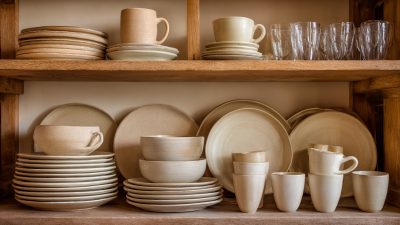
When exploring new ceramic tableware, bear in mind the importance of texture. Matte finishes can add depth to your dining setup, while glossy glazes offer a polished look. Don’t be afraid to mix and match styles. This can create a unique, personalized table setting. Remember, imperfections in handmade ceramics tell a story, making each piece distinctive. Aim to embrace these irregularities. They can spark conversations during your meals, adding an extra layer to your dining experience.

Customization and Personalization Trends in Ceramic Tableware for Consumers

In the world of ceramic tableware, customization and personalization are taking center stage. Buyers now seek unique pieces that reflect their individual tastes and lifestyles. This trend goes beyond mere aesthetics; it's about creating a connection between the tableware and the consumer.

Tips: Consider incorporating personal symbols or initials into your designs. This adds a layer of meaning that can resonate with buyers.

Today, many consumers appreciate handmade ceramics. These pieces showcase the artist's dedication and skill. Flaws, like uneven glazing or slight asymmetry, can add character. Such imperfections often tell a story and make each item special.

Tips: Encourage customers to share their ideas. Custom orders can help them feel involved in the creation process.

Many ceramics now feature vibrant colors and innovative forms. These eye-catching designs attract buyers looking for statement pieces. However, a balance is essential. Too many bold elements can overwhelm. A simple, thoughtful approach often yields greater satisfaction.

Top 10 Ceramic Tableware Trends for Global Buyers

Trend Description Customization Options Target Consumer Forecast Growth (%)
Sustainable Materials Use of eco-friendly materials in ceramics. Biodegradable glazes, recycled clay. Environmentally conscious consumers. 15%
Personalized Designs Custom artwork and monograms on tableware. Custom name engraving, unique patterns. Millennials and Gen Z. 20%
Mixed Materials Combining ceramics with other materials like wood or metal. Ceramic with bamboo or metal accents. Design enthusiasts. 10%
Artisanal Craftsmanship Handmade pieces showcasing unique craftsmanship. Custom shapes, hand-painted finishes. Consumers valuing heritage and craftsmanship. 25%
Bold Colors Vibrant color palettes for modern table settings. Custom color choices, gradient effects. Fashion-forward consumers. 18%
Minimalist Design Sleek, simple designs focusing on functionality. Custom size options, varied texture finishes. Minimalist lifestyle advocates. 12%
Unique Shapes Non-traditional shapes and sizes for tableware. Custom geometrical shapes, asymmetrical designs. Trendsetters and influencers. 22%
Cultural Inspirations Designs inspired by global cultures and traditions. Custom patterns inspired by various cultures. Culturally curious consumers. 17%
Functional Art Tableware that doubles as decorative art pieces. Custom artistic elements, sculpture-like structures. Art lovers and collectors. 19%