Best Ceramic Food Storage Container Guide for 2026?
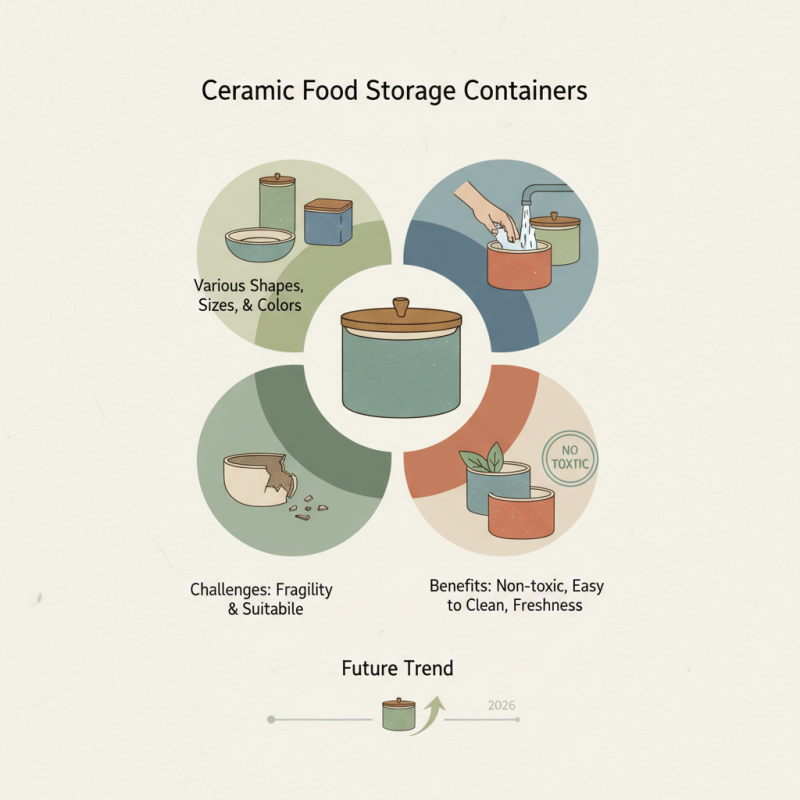
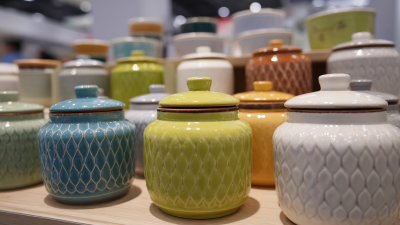
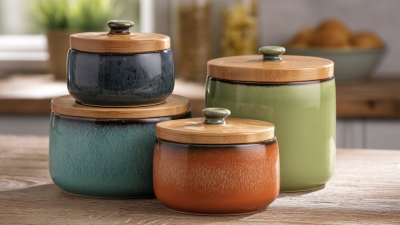
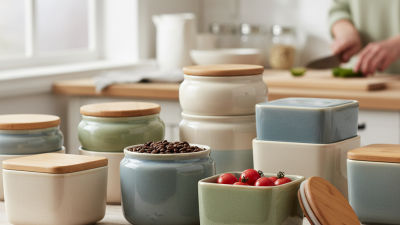
In recent years, the popularity of the Ceramic Food Storage Container has soared. These containers not only offer practicality but also enhance kitchen aesthetics. They are available in various shapes, sizes, and colors, making them a stylish choice.
Choosing the right ceramic container can be challenging. Some might crack or chip easily, which can frustrate users. Furthermore, specific items might not be suitable for all types of food. These considerations can complicate your purchase decisions.
Despite these challenges, the benefits of ceramic storage cannot be ignored. They are non-toxic, easy to clean, and perfect for preserving freshness. The ideal Ceramic Food Storage Container can transform your kitchen experience. As we explore various options for 2026, keep these factors in mind.
What to Look for in Ceramic Food Storage Containers
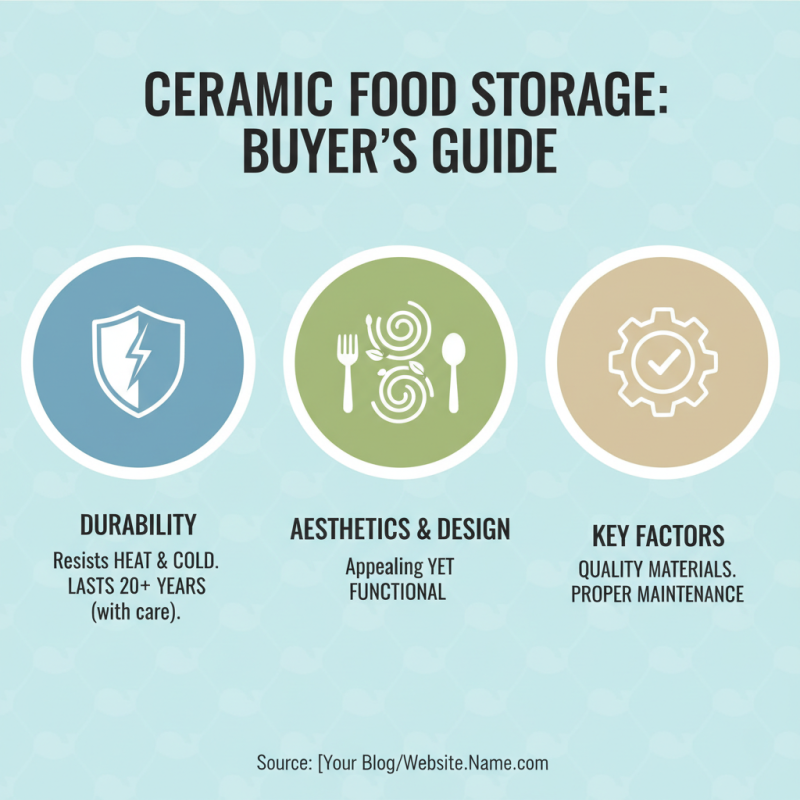
When choosing ceramic food storage containers, several key factors matter. Durability is one of them. A quality ceramic container should withstand heat and cold. Reports indicate that ceramic can last up to 20 years if properly maintained. While aesthetics play a role, ensure the design also contributes to functionality.
Another aspect is the lid seal. Containers with airtight lids are essential for preserving food. Leakage can lead to spoilage. Studies show that food stored in airtight conditions lasts longer by up to 50%. Users may find that some lids may not fit perfectly, leading to potential issues in food preservation. Check the lid performance before making a purchase.
Size and shape are equally important. Consider what you will store. A container too big or too small can lead to waste. Data suggests that optimal storage usually saves 25% more space than poorly chosen containers. Observe how different shapes stack and fit in your storage area. Make sure they use your space efficiently.
Benefits of Using Ceramic Over Other Materials for Food Storage
When considering food storage options, ceramic containers offer distinct advantages. They are non-porous, which means they won't absorb odors or stains. This quality keeps your food fresher for longer. With a wide variety of colors and designs, they also serve as attractive kitchen décor. However, it's important to choose the right ceramic to avoid chips and cracks. Not all ceramics are created equal.
Ceramic's ability to withstand temperature changes is noteworthy. It can go from the refrigerator to the oven without cracking. Many users appreciate this versatility. They can heat meals and serve them in the same container. Yet, they should be cautious with sudden temperature shifts. Ignoring this can lead to unexpected breaks. Food stored in ceramic also remains free from harmful chemicals found in some plastics. This gives peace of mind for health-conscious individuals.
While ceramic containers require a bit more care during handling, this drawback can be mitigated. Storing them in a safe place may prevent accidental damage. They can be heavy compared to alternatives, but their durability often outweighs this factor. Overall, ceramic food storage containers blend functionality with style, making them a worthy consideration.
Best Ceramic Food Storage Container Guide for 2026
| Feature |
Ceramic |
Glass |
Plastic |
| Durability |
Very Durable |
Moderately Durable |
Less Durable |
| Chemical Resistance |
High |
Moderate |
Low |
| Heat Resistance |
Excellent |
Good |
Poor |
| Weight |
Heavier |
Moderate |
Lightweight |
| Aesthetic Appeal |
High |
High |
Low |
| Eco-Friendliness |
Very High |
High |
Low |
| Price Range |
$$ |
$$$ |
$ |
Top Ceramic Food Storage Container Brands to Consider in 2026
When choosing ceramic food storage containers in 2026, several brands stand out. These brands prioritize durability and safety. Studies show that ceramic containers are generally safe for food storage. They don’t leach chemicals, unlike some plastic alternatives. They can withstand high temperatures, making them versatile for both storage and cooking.
Many consumers are turning to ceramics for their aesthetic appeal. The market data from industry reports highlight that over 70% of users prefer ceramic for its looks. Container designs range from simple to artistic. However, not all ceramics are created equal. Some may chip easily or have glazes that are not food-safe. It's crucial to do thorough research.
Price points for ceramic containers can vary significantly. Quality comes with a higher price, but budget options exist. The challenge lies in identifying which lower-priced items offer value without compromising safety. Regular maintenance is also a consideration. Sometimes, chips and cracks can develop over time. Users must assess their choices carefully.
2026 Best Ceramic Food Storage Container Size Comparison
Care and Maintenance Tips for Your Ceramic Food Storage Containers
When caring for ceramic food storage containers, handle them with care. These containers can
chip or crack if dropped. Always place them on soft surfaces to avoid damage. Regularly
inspect for any signs of wear. If you notice any rough edges or chips, it’s time to reconsider their use.
Washing ceramic containers is straightforward. Hand washing with warm soapy water is best. Steel wool or abrasive pads can scratch the surface.
Keep it simple with a soft sponge. If your container has tough stains, soak it in warm
water first. Avoid sudden temperature changes, as this can lead to cracking.
Storing your ceramic containers correctly is also important. Keep them in a dry place to prevent moisture build-up. Stack them with care to avoid piling.
Using cloth or paper between containers can prevent scratches. The goal is to maintain their beauty and functionality. Remember,
a little extra effort today can lead to longer-lasting use tomorrow.
Sustainable Practices in Choosing Ceramic Food Storage Containers
Choosing ceramic food storage containers can be a delightful yet challenging task. Emphasizing sustainable practices often leads us to consider the materials used. High-quality ceramics are typically made from natural clay, which is abundant and eco-friendly. This reduces our reliance on plastics that pollute our environment. However, not all ceramic options are equal. Some glazes may contain harmful chemicals. Researching manufacturing processes is essential.
When selecting containers, consider their durability. A well-crafted ceramic can last for years, making it a wise investment. Look for options that promote a zero-waste lifestyle. Containers that are easy to clean and maintain help minimize the need for replacements. Think about how often you'll use these containers. Those that fit your lifestyle encourage more sustainable habits.
Reflect on the aesthetics, too. A beautiful ceramic container can brighten up your kitchen. However, it's essential to balance beauty with functionality. A stunning piece might not be practical for everyday use. So, finding that middle ground is vital. Sustainable practices in choosing ceramic storage are not just a trend; they reflect a commitment to quality and the planet.