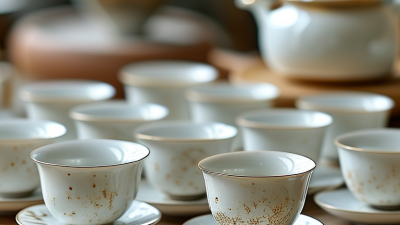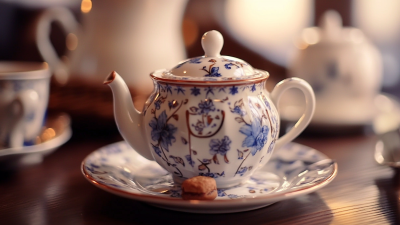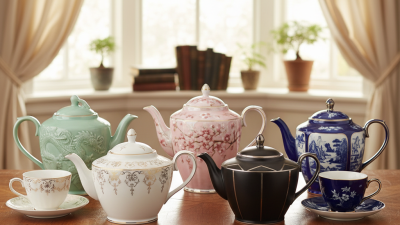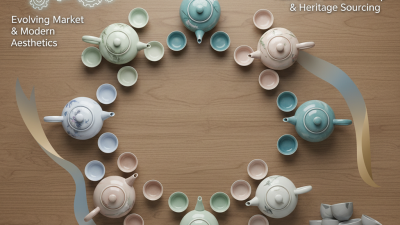


Choosing the right Porcelain Tea Sets in 2026 requires more than admiring delicate patterns. Global buyers must assess design, durability, supplier reliability, and practical shipping conditions. A set may look elegant online but feel surprisingly light in hand. That detail matters.
This guide examines leading porcelain tea sets for retailers, hospitality groups, gift companies, and private collectors. It considers clay quality, glaze consistency, firing performance, handle comfort, and table presentation. It also reviews cup capacity, saucer balance, packaging strength, and customization options. These factors can influence customer satisfaction and reduce avoidable breakage during international delivery.
Small details matter most.
Experienced buyers often request product samples before placing larger orders. They inspect smooth rims, stable bases, clear decoration, and clean interior surfaces. They may also ask suppliers about food-contact safety documentation, production standards, inspection procedures, and replacement policies. Reliable communication remains essential when orders cross languages, time zones, and commercial expectations.
Not every attractive set deserves a top ranking. Some designs photograph beautifully but are difficult to stack or expensive to protect. Others offer impressive decoration yet reveal uneven glazing under natural light. This guide recognizes those limitations instead of treating every product as perfect. Supplier claims should be checked carefully, and market preferences can differ widely between regions.
The featured selections aim to balance beauty, function, quality, and value. They may help buyers compare classic floral patterns, modern minimalist forms, hotel-ready collections, and giftable presentation sets. With careful evaluation, Porcelain Tea Sets can become more than tableware. They can express craftsmanship, strengthen a product range, and create a memorable tea-drinking experience.
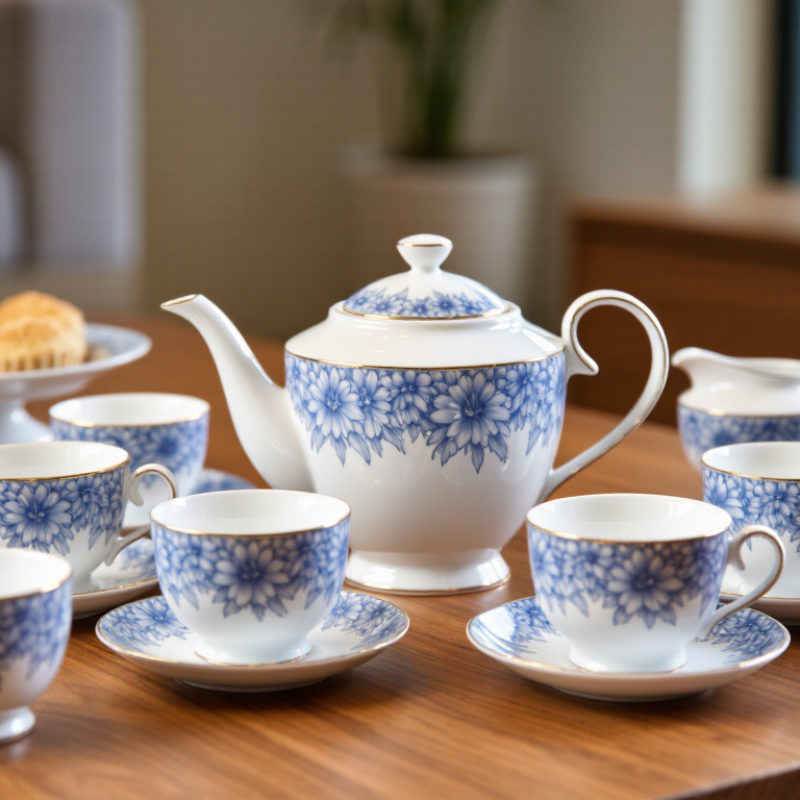
Porcelain tea sets remain popular because they are light, heat-resistant, and easy to clean. A practical set usually includes a teapot, cups, saucers, and a serving tray. Look for even glazing, smooth rims, stable handles, and a well-fitted lid. Thin porcelain feels refined, but thicker walls often protect against daily breakage. In my sourcing experience, small defects appear most clearly around the spout and cup edges. They should be checked before shipment.
Global buyers now prefer versatile designs. Neutral colors, stackable shapes, and gift-ready packaging suit different retail channels. Demand is also growing for smaller cups, matching accessories, and tea sets designed for compact kitchens. Buyers should confirm food-contact compliance, test packaging strength, and request samples before placing large orders. Local import rules may differ. A beautiful set can still fail if its labeling or documentation is incomplete.
Tips: Compare glaze quality under natural light. Tap each piece gently and listen for a clear tone. Ask for carton dimensions and drop-test details. Confirm whether decorations contain restricted materials. Sustainable packaging attracts attention, but it may need stronger corner protection. I once underestimated warehouse handling costs; that mistake changed my purchasing checklist. Price matters, yet replacement rates matter more.
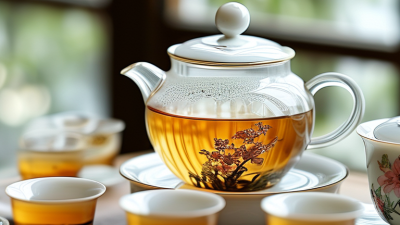
2026 Top Porcelain Tea Sets for Global Buyers
Key Materials, Craftsmanship, and Design Features to Compare
Porcelain quality begins with the clay body, not decoration. Hard-paste porcelain usually combines kaolin, feldspar, and quartz. High firing temperatures create a dense, pale, less porous surface. According to a 2024 Grand View Research assessment, the global ceramic tableware market exceeds USD 10 billion. This scale increases choice, but also creates uneven quality. Buyers should request water absorption results, firing temperatures, and food-contact test records. A thin cup can feel elegant. It can also chip easily.
Craftsmanship appears in details that photographs often hide. Check the rim under direct light. It should feel smooth, without sharp glaze pools or pinholes. Hold the cup against a window; consistent translucency suggests controlled thickness, though it does not prove durability. The 2024 International Trade Centre trade data shows substantial global movement in ceramic tableware, making supplier verification essential. Ask for production samples from different batches. One sample is not enough. I have seen attractive sets fail during stacking tests because their saucers warped slightly. Design should also support use: stable handles, readable capacity markings, and glaze colors that remain consistent after washing.
Tips: Compare absorption, thermal-shock, and dishwasher test results. Confirm whether gold or platinum details require hand washing. Request packaging-drop tests for export orders. A beautiful set is still a poor purchase if replacement pieces are unavailable. Check that claim carefully.
Key materials, craftsmanship, and design features to compare when evaluating porcelain tea sets for international markets.
Firing temperature is a practical indicator of material and manufacturing requirements. Hard-paste porcelain is typically fired at approximately 1,380–1,450°C, bone china at approximately 1,200–1,250°C, and soft-paste porcelain at approximately 1,100–1,200°C. Buyers should also compare wall thickness, glaze consistency, handle and spout finishing, translucency, nesting efficiency, and resistance to crazing and thermal shock.
For 2026 buyers, porcelain tea sets should match usage, not only appearance. The International Tea Committee reported global tea consumption above 6.5 million tonnes in recent years. That scale supports steady demand for practical household sets. Daily users often prefer stackable cups, medium-size pots, and dishwasher-safe glaze. A 12- to 16-piece set suits small families. It also reduces replacement pressure.
Formal dining requires a different visual language. Buyers may choose thin rims, matching saucers, and balanced handles for afternoon service. Hospitality purchasers usually need stronger bodies and consistent dimensions. The 2024 Global Tableware Market analysis by Grand View Research identified foodservice demand as a major growth factor. For cafés, thick-walled porcelain can retain heat better. It also survives frequent handling more reliably. Yet, “durable” should not mean heavy. Excess weight can increase shipping costs and staff fatigue.
Gift buyers often select floral relief, calm colors, or compact presentation boxes. Export purchasers should inspect glaze uniformity, cup capacity, carton testing, and replacement availability. These details matter more than a dramatic product photograph. I have seen elegant sets fail because saucers were slightly oversized. Small errors become expensive across large orders. Buyers should request samples before confirming volume. They should also verify lead times and food-contact documentation. Market reports provide direction, not certainty. Regional tastes, shipping damage, and changing household habits can still overturn a forecast.
| Tea Set Style | Primary Buyer Need | Typical Configuration | Teapot Capacity | Cup Capacity | Key Material Features | Recommended Use | Care and Compliance Considerations |
|---|---|---|---|---|---|---|---|
| Classic English Afternoon Tea Set | Traditional presentation and formal entertaining | 1 teapot, 4–6 teacups, 4–6 saucers, milk jug, sugar bowl | 900–1,200 ml | 180–240 ml | Fine porcelain body, smooth glazed surface, balanced footed cups | Afternoon tea, hospitality, wedding and seasonal gifting | Confirm dishwasher and microwave suitability; avoid metallic decoration in microwave use |
| Minimalist Nordic Tea Set | Modern home décor and simple everyday serving | 1 teapot, 2–4 cups, matching saucers or a serving tray | 600–900 ml | 220–300 ml | Clean silhouettes, neutral colors, satin or glossy glaze, stackable forms | Daily tea, apartment living, lifestyle retail | Prioritize scratch-resistant glaze, stable handles and space-efficient packaging |
| Japanese-Inspired Matcha Set | Whisked tea preparation and cultural tea experiences | Matcha bowl, bamboo whisk, whisk holder, scoop and sifter | Not applicable; bowl-led format | 300–500 ml bowl | Thick-walled porcelain bowl, broad base, textured or matte exterior | Matcha preparation, workshops, wellness and specialty tea retail | Use a rounded interior for whisk movement; check food-contact safety of glaze and accessories |
| Chinese Gongfu Tea Set | Small-batch brewing and repeated tea infusions | Small teapot or gaiwan, 4–6 tasting cups, fairness pitcher and tea tray | 100–180 ml | 30–70 ml | Heat-resistant porcelain, fine rim, fast-pouring spout and compact proportions | Oolong, pu-erh, white tea and tea-tasting events | Ensure lid fit, pour control and resistance to thermal shock during brewing |
| Travel Tea Set | Portable tea preparation and compact storage | Lidded brewing cup or small teapot, 1–2 cups and protective case | 250–450 ml | 80–150 ml | Lightweight porcelain components, reinforced packaging and secure closures | Business travel, camping with careful handling and office use | Use molded protective inserts; clearly state that porcelain remains breakable during transport |
| Large Family Tea Set | High-volume household serving and group gatherings | 1 large teapot, 6–8 cups, saucers, sugar bowl and serving tray | 1,200–1,800 ml | 200–300 ml | Durable vitrified porcelain, reinforced handles and wide stable bases | Family meals, holiday entertaining and large households | Check total packed weight, handle strength and dishwasher-safe instructions |
| Hotel and Café Tea Service | Frequent commercial use and operational efficiency | Teapot, cup, saucer, side plate, milk jug and sugar container | 400–1,000 ml | 180–300 ml | Vitrified porcelain, chip-resistant edges and consistent sizing | Hotels, cafés, restaurants and catering operations | Require commercial dishwasher compatibility, replacement-piece availability and food-contact documentation |
| Gift and Wedding Tea Set | Decorative gifting and milestone occasions | 1 teapot, 2 cups and saucers, gift box and optional serving spoon | 500–800 ml | 180–250 ml | Decorative glaze, refined shape, coordinated components and presentation packaging | Weddings, anniversaries, housewarming and holiday gifting | Protect against impact in transit; disclose whether hand washing is recommended for decorated surfaces |
| Premium Bone China-Style Set | Lightweight luxury appearance and elevated table settings | 1 teapot, 4–6 cups and saucers, milk jug and sugar bowl | 800–1,200 ml | 180–240 ml | Thin, translucent porcelain-like body, smooth glaze and refined rim profile | Luxury retail, formal dining and executive gifting | Verify the actual ceramic composition; do not market porcelain as bone china without documented material content |
| Colorful Contemporary Tea Set | Trend-focused décor and younger lifestyle consumers | 1 teapot, 2–4 cups, mixed-color saucers and optional tray | 600–1,000 ml | 200–300 ml | Colored glaze, geometric shapes, contrast interiors and coordinated mix-and-match pieces | Online retail, home décor and seasonal collections | Test color consistency between batches and confirm that pigments and glazes meet destination-market requirements |
Capacity ranges are typical product specifications and may vary by design. Buyers should verify food-contact, dishwasher, microwave and packaging requirements for the destination market before ordering.
For global buyers, a porcelain tea set should pass more than a visual inspection. Ask for food-contact test reports covering lead and cadmium migration. The report should identify the exact glaze, product code, and testing date. Standards vary by destination, so confirm the requirements for each market. A certificate without product traceability is weak evidence.
Useful supplier documents may include ISO 9001 certification, factory inspection records, and recent laboratory reports. Verify the certificate number with the issuing organization when possible. Request samples from regular production, not specially prepared pieces. Check rim smoothness, cup balance, glaze pinholes, handle strength, and saucer fit. Small defects often appear after packing.
Supplier evaluation should include kiln controls, batch records, worker training, and corrective-action procedures. Ask how the factory handles cracked pieces and mixed lots. Packaging matters too; drop testing can reveal whether cups survive long transport. I once treated a clean sample as proof of stable quality. That was a mistake. Production conditions can change with different clay bodies, firing temperatures, or subcontracted decoration. Keep written specifications, approve a reference sample, and inspect shipment records before payment. A careful supplier should answer clearly, provide consistent evidence, and accept reasonable independent testing.
Global buyers often compare unit prices first. That can mislead. A porcelain tea set priced at $18 may reach $31 after packing, freight, insurance, and customs charges. Ask suppliers for tiered quotations based on quantity, decoration, glaze, and packaging. Request a pro forma invoice listing every cost. My early estimates were too optimistic when I ignored carton space. Pallet dimensions can matter more than piece price.
For samples, courier shipping is fast but expensive. For bulk orders, ocean freight usually lowers cost, but transit takes longer. Confirm whether the quotation uses EXW, FOB, or another Incoterm. These terms change who pays export handling and freight.
Use double-wall cartons, dividers, and drop-tested inner boxes. Request photos before sealing cartons. Add five to ten percent spare units. Breakage happens. Yet excessive packaging increases freight and disposal costs.
Before ordering, verify the tariff code, duty rate, consumption tax, and food-contact documents required in the destination market. Rules differ by country and can change. Ask a customs broker to review the invoice and product description. Keep glaze, material, and test reports consistent across documents. Check importer-of-record requirements and local labeling rules. Budget for currency movement and inspection fees. Some suppliers provide excellent samples but weaker production consistency. Approve a signed sample and inspect a random carton before final payment.