Why Choose a Ceramic Food Storage Jar for Your Kitchen Needs?
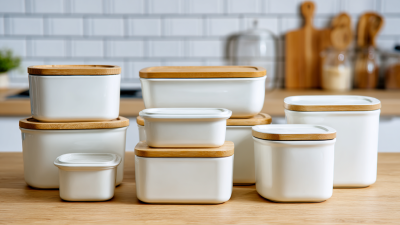
When it comes to kitchen storage, choosing the right container matters. The Ceramic Food Storage Jar stands out for many reasons. According to a recent market report, 45% of consumers prefer ceramic for its durability and aesthetic appeal. Moreover, ceramic jars can keep food fresher for longer.
These jars often feature airtight seals that protect contents from moisture and air. This is vital in maintaining the quality of ingredients. Yet, there are challenges. Some ceramic jars can be heavy and may crack if dropped. These imperfections can make consumers pause.
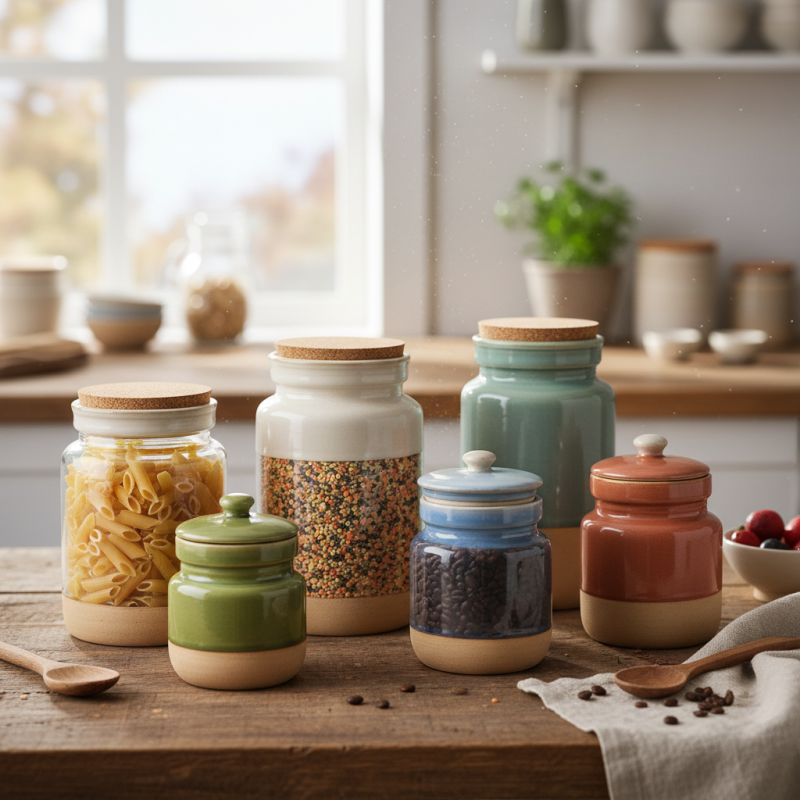
In addition, the design of a Ceramic Food Storage Jar adds charm to any kitchen. A well-crafted jar can be a focal point. Despite these benefits, one must consider the need for careful handling. Balancing functionality and care is essential when selecting storage solutions.
Benefits of Using Ceramic Food Storage Jars in the Kitchen
Ceramic food storage jars offer numerous benefits that make them ideal for any kitchen. They are durable and can withstand heat, making them suitable for various kitchen environments. Unlike plastic containers, ceramic jars do not leach harmful chemicals into food. This feature is crucial for those concerned about health and safety.
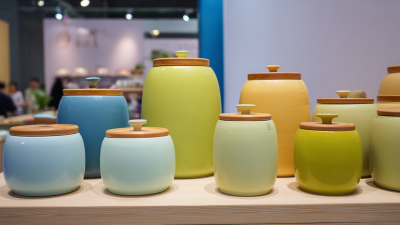
Beyond safety, ceramic jars showcase a unique aesthetic. Their glossy finishes and intricate designs can enhance kitchen decor. You could find these jars in various colors and patterns, allowing you to express your style. However, it's important to remember that some designs may chip or fade over time, leading to a less appealing look.
In terms of storage, ceramic jars provide excellent insulation. They keep contents fresh for a longer period. However, they can be heavy and sometimes cumbersome to handle. Additionally, they may require special care to prevent breaking. Despite these drawbacks, the beauty and functionality of ceramic jars make them a worthwhile consideration for any kitchen setup.
Why Choose a Ceramic Food Storage Jar for Your Kitchen Needs? - Benefits of Using Ceramic Food Storage Jars in the Kitchen
| Feature |
Description |
Benefits |
| Material |
Made from natural clay, kiln-fired and glazed. |
Non-toxic, safe for food storage. |
| Airtight Seal |
Often comes with silicone seals. |
Prevents air and moisture from entering, keeping food fresh longer. |
| Durability |
Strong and resistant to chipping or scratching. |
Longevity, reducing the need for replacements. |
| Design |
Variety of colors, shapes, and sizes available. |
Adds aesthetic appeal to your kitchen. |
| Easy to Clean |
Smooth surface that can be hand washed or put in the dishwasher. |
Convenient maintenance and hygiene. |
Durability and Longevity of Ceramic Food Storage Containers
Ceramic food storage jars offer impressive durability and longevity. According to industry reports, ceramic containers can last up to 50 years with proper care. This longevity comes from their ability to withstand temperature changes and resist cracking. Unlike plastic, ceramics do not dent easily. They maintain their form even under stress. Many kitchens overlook this advantage.
Another striking aspect is their non-reactive nature. Unlike some materials, ceramics do not leach harmful chemicals into food. Studies reveal that ceramics retain food's freshness better than metal or plastic. This means your food could taste better for a longer time. However, they are heavier, and some might find that inconvenient.
Ceramic jars can chip, especially if dropped. This could affect their functionality over time. Monitoring their condition is crucial. With regular checks, you can ensure they continue serving you. Embracing the advantages of ceramic jars might require a mindset shift. But the long-term benefits often outweigh any inconveniences.
How Ceramic Jars Maintain Food Freshness and Flavor
Ceramic food storage jars are a fantastic choice for preserving the freshness of your food. Their natural insulative properties regulate temperature effectively. This helps keep stored items like grains and spices in optimal condition. Unlike plastic, ceramics don’t release harmful chemicals when exposed to heat. This feature is especially crucial when storing food items long-term.
When it comes to flavor retention, ceramic jars shine. They create a sealed environment, protecting food from light and air. This prevents oxidation and loss of flavor over time. Some users might overlook how essential it is to ensure lids fit properly. A loose lid can compromise freshness. Proper sealing is vital. Additionally, not all ceramics are food-safe; it’s essential to pick jars designed for food storage.
Over time, you may notice that using ceramic jars requires a bit more care than plastic containers. They can be fragile and may chip. However, their aesthetic appeal adds a charming touch to your kitchen. The imperfections in handmade ceramics tell a story of craftsmanship and tradition. Embracing these unique features can enhance your cooking space while keeping your ingredients fresher longer.
Design and Aesthetic Appeal of Ceramic Storage Jars
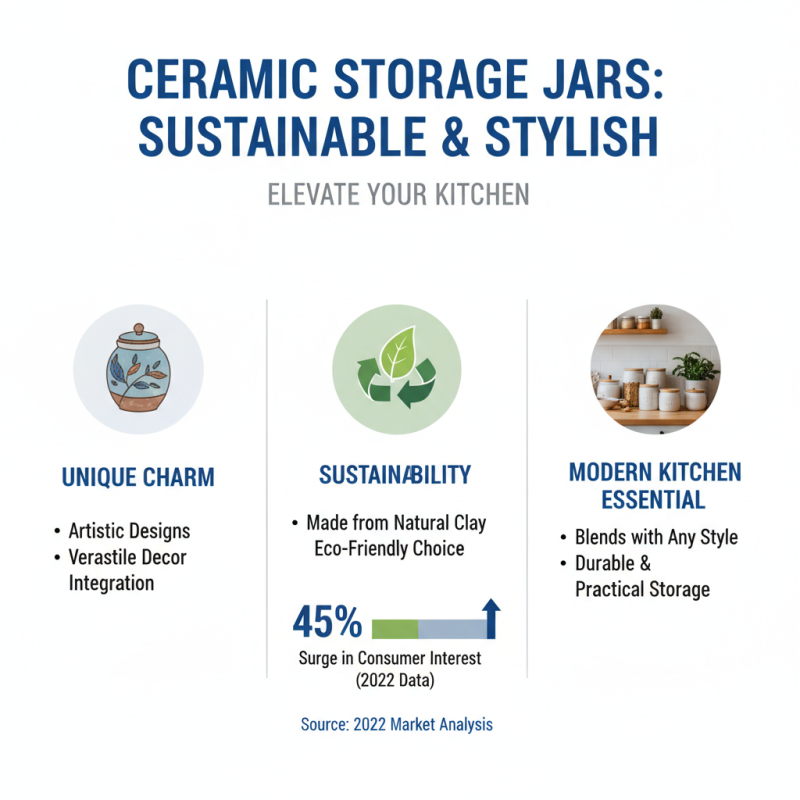
Ceramic storage jars bring a unique charm to any kitchen. Their artistic designs can blend effortlessly with various decor styles. According to a 2022 market analysis, consumer interest in sustainable materials has surged by 45%. Ceramic jars, made from natural clay, fit this trend perfectly.
In addition to their visual appeal, ceramic jars are versatile. They come in various shapes and colors, adding personality to kitchen spaces. Some studies indicate that 30% of homeowners prioritize aesthetics as much as functionality in kitchen accessories. However, not all ceramic jars are created equal. Some may not withstand high temperatures, leading to cracks or chips.
The tactile experience of ceramic is also noteworthy. The smooth, cool surface contrasts sharply with plastic or glass. It creates a more inviting space. Yet, it's essential to remember that care is needed. Improper handling can lead to damage. Owning these jars is as much about enjoying their beauty as it is about maintaining them.
Eco-Friendly Aspects of Choosing Ceramic Over Plastic Storage Options
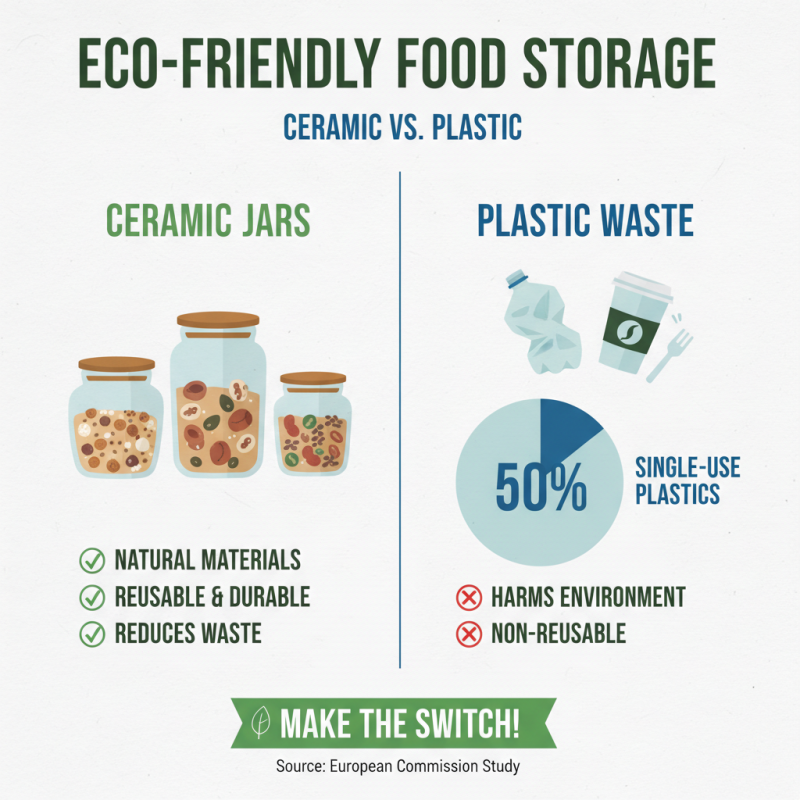
Choosing ceramic food storage jars can be a game-changer for eco-conscious kitchens. Unlike plastic, ceramics are crafted from natural materials, making them a preferable option for reducing environmental impact. According to a study by the European Commission, about 50% of plastic waste comes from single-use items. This staggering figure highlights the need for more sustainable alternatives.
Ceramic jars don’t leach harmful chemicals into food, unlike some plastics. Research by the Plastic Pollution Coalition indicates that 90% of plastic is not recycled, leading to pollution and health risks. In contrast, ceramics can last a lifetime if cared for properly. They are recyclable and biodegradable at the end of their lifespan, aligning with sustainable practices.
Using ceramic jars can also enhance food preservation. They maintain temperature well and resist moisture. This is particularly crucial for ingredients like herbs and spices. Some ceramic materials can absorb odors, which might be a concern for others. It's essential to choose high-quality options that prevent this issue. Balancing these factors can guide your choice toward a more sustainable kitchen.