What is Ceramic Tableware? A Comprehensive Guide to Types and Uses
Ceramic tableware has long been cherished for its aesthetic appeal and functional versatility, making it a staple in homes and restaurants worldwide. According to a recent market research report by Grand View Research, the global ceramic tableware market size was valued at approximately USD 21.5 billion in 2021, with expectations of continued growth driven by rising consumer interest in stylish and durable dining solutions. This growth reflects a growing trend towards more sustainable and eco-friendly products, as ceramic tableware is often seen as an environmentally friendly choice due to its natural materials and long lifespan.
In addition to its environmental benefits, ceramic tableware also offers a wide range of types, including stoneware, earthenware, and porcelain, each with unique characteristics suitable for various culinary applications. The versatility of ceramic tableware not only caters to everyday dining needs but also elevates the dining experience in upscale restaurants and special occasions. With its ability to retain heat and resist staining, ceramic tableware has become a favored choice among both professional chefs and home cooks. As we delve deeper into this comprehensive guide, we will explore the different types of ceramic tableware, their specific uses, and the advantages they bring to any dining experience.
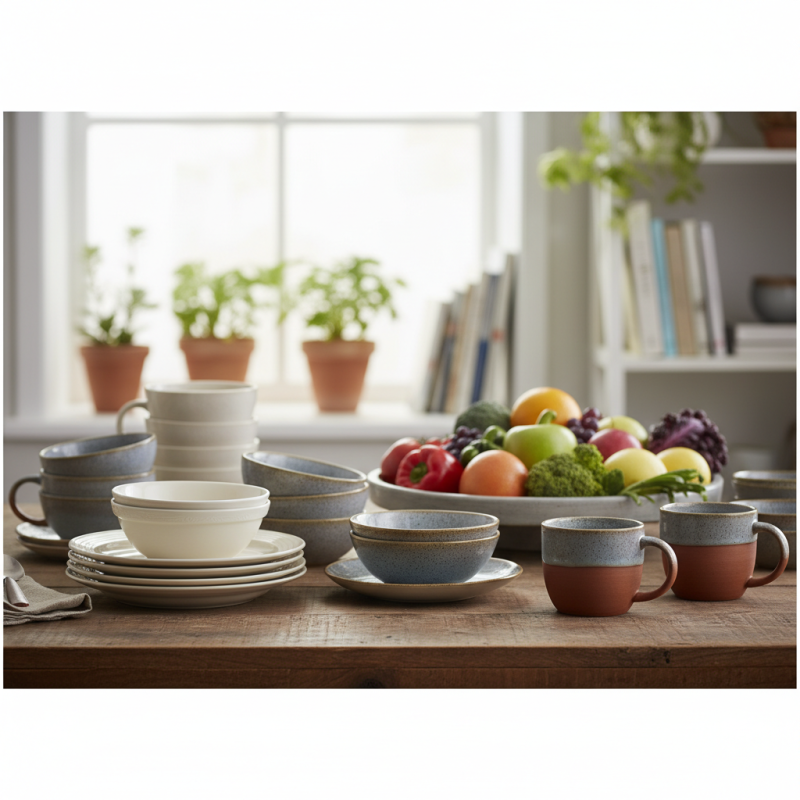
What is Ceramic Tableware?
Ceramic tableware encompasses a wide array of products made from clay that has been fired at high temperatures, resulting in a hard, durable substance. This type of tableware is known for its aesthetic appeal and functional versatility, making it a popular choice in both residential and commercial settings. According to a report by the Global Industry Analysts, the market for ceramic tableware is expected to grow significantly, with projections estimating a market value exceeding $20 billion by 2026. This growth is attributed to the increasing demand for stylish and durable dining options that cater to diverse culinary experiences.
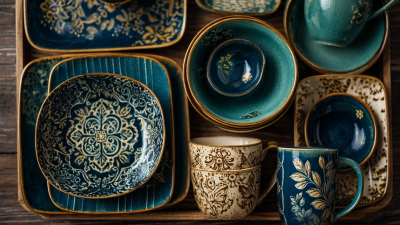
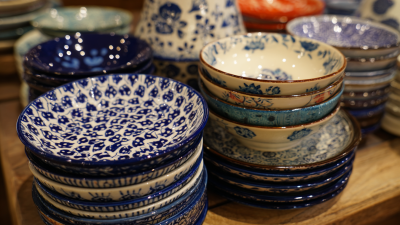
Ceramic tableware comes in various forms, including dinner plates, bowls, mugs, and serving dishes. Its properties, such as heat resistance and ease of cleaning, make it ideal for everyday use. Furthermore, advancements in ceramic production techniques have allowed for innovative designs and patterns, enhancing the product’s appeal. Industry data shows that around 70% of consumers prioritize aesthetics when selecting tableware, making ceramic an optimal choice for those looking to elevate their dining experience. As sustainability becomes increasingly important, many manufacturers are also focusing on eco-friendly practices, which is further driving the growth of ceramic tableware in the market.
History and Evolution of Ceramic Tableware
The history of ceramic tableware dates back thousands of years, with its origins tracing to ancient civilizations such as the Chinese, Egyptians, and Greeks. Archaeological findings suggest that the earliest forms of ceramic items were used as functional vessels for cooking and storage, primarily due to ceramic's durability and heat resistance. By the Shang Dynasty (c. 1600–1046 BC), refined pottery techniques enabled the production of high-quality stoneware and porcelain, which allowed for more decorative uses in addition to functionality. According to a recent industry report, the global ceramic tableware market has seen a resurgence in interest, with a projected annual growth rate of 4.5% from 2023 to 2030, underscoring the enduring appeal of these items.
As technology and artistry evolved, so did ceramic tableware design and production techniques. The development of glazing processes during the Middle Ages in Europe allowed for more intricate and colorful patterns, enhancing both the aesthetic and protective qualities of tableware. By the 18th century, porcelain became synonymous with luxury, as European artisans perfected the art of creating fine tableware inspired by Chinese styles. Nowadays, ceramic tableware remains popular not only for its diverse range and designs but also for its sustainability, with many manufacturers shifting to eco-friendly materials and processes. A study noted that 72% of consumers prioritize sustainable products, indicating a shift in demand that reflects the growing awareness of environmental impact in tableware choices.
Types of Ceramic Tableware: An Overview
Ceramic tableware encompasses a wide range of kitchen and dining items made from clay and other natural materials, shaped and fired at high temperatures. This versatile category includes plates, bowls, cups, and serving dishes, each with unique properties tailored to specific uses. Combining functionality and aesthetics, ceramic tableware is favored in both domestic and commercial settings. According to a report by the Global Ceramic Tableware Market, the segment is expected to grow significantly due to rising consumer demand for durable, attractive dining options, anticipated to reach a market value of over $25 billion by 2025.
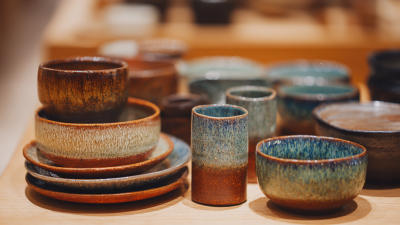
When examining the types of ceramic tableware, one can categorize them primarily into earthenware, stoneware, and porcelain. Earthenware is known for its porous nature and rustic charm, often featuring colorful glazing, making it popular in casual dining. Stoneware, recognized for its durability and versatility, is ideal for everyday use and retains heat well, perfect for oven-to-table service. Porcelain, on the other hand, is favored for its refined appearance and strength, often used in formal dining settings. According to industry analyses, the demand for porcelain tableware is projected to grow by approximately 6% annually, driven by its aesthetic appeal and resilience, particularly among upscale restaurants and caterers.
Common Uses of Ceramic Tableware in Daily Life
Ceramic tableware is a staple in many households, prized for its durability, aesthetic appeal, and versatility. Commonly used for serving meals, ceramic dishes come in various shapes, sizes, and designs, making them suitable for both casual dining and formal occasions. From sturdy dinner plates to elegant serving bowls, ceramic tableware enhances the dining experience by adding a touch of elegance and warmth to the meal.
In daily life, ceramic tableware plays a crucial role beyond just serving food. It is widely used for its heat-resistance properties, making it ideal for serving hot dishes like casseroles and soups. Additionally, ceramic items are often chosen for their ability to retain temperature, ensuring that food stays warm longer. For those who enjoy baking, ceramic bakeware offers excellent heat distribution, resulting in perfectly cooked meals every time.
Tips: When selecting ceramic tableware, consider pieces that are microwave and dishwasher safe for convenience. Moreover, opting for colorful or intricately designed ceramics can elevate your table setting and impress guests. To maintain the beauty of your ceramic items, avoid using abrasive cleaners and instead wash them with gentle sponges to preserve their finish.
Care and Maintenance Tips for Ceramic Tableware
Caring for ceramic tableware is essential to maintain its beauty and longevity. To begin with, it is important to avoid exposing your ceramic dishes to extreme temperature changes, as this can lead to cracks. Additionally, although many ceramic items are dishwasher-safe, hand washing with a gentle sponge and mild detergent is often recommended to prevent the potential for scratches and fading of designs. When stacking ceramic dishes, place soft cloths or paper between them to avoid chipping.
Regular maintenance goes beyond just washing. Inspect your ceramic tableware for any signs of wear, such as chips or cracks, as these can harbor bacteria. When storing ceramic dishes, opt for a cool, dry place away from direct sunlight to prevent fading. For stubborn stains, a paste made from baking soda and water can be an effective and gentle cleaning solution. Lastly, when using ceramic in the microwave or conventional oven, always check for any special instructions, as not all ceramics are suitable for all types of heat.