What is a Ceramic Jar With Lid and its Best Uses?
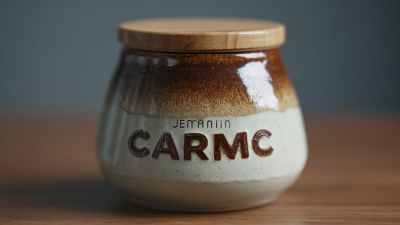
Ceramic jars with lids have become a staple in both decorative and functional home applications. According to a report by MarketResearchFuture, the ceramic ware market is projected to grow at a CAGR of 4.5% by 2025. This growth highlights the increasing demand for versatile products that combine aesthetics with practicality. Experts in the field, such as Dr. Emily Carter, emphasize the unique benefits of these jars. “A ceramic jar with lid offers durability while showcasing intricate designs,” she notes.
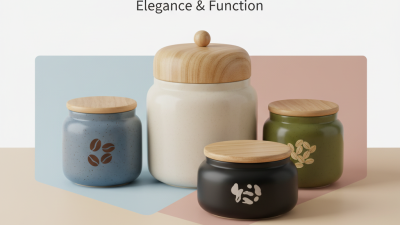
These containers are not just for storage; they add a touch of elegance to kitchens and dining rooms. They can hold everything from spices to kitchen staples. Possessing various sizes, these jars meet a range of needs. Their lid design helps maintain freshness, a feature many overlook. However, buyers should pay attention to the quality; not all ceramic jars are created equal.
In a world where convenience is key, understanding the importance of a ceramic jar with lid is essential. There’s often a balance between form and function that is hard to achieve. This piece aims to explore that harmony and the best uses for this timeless kitchen essential.
Understanding the Structure of a Ceramic Jar With Lid
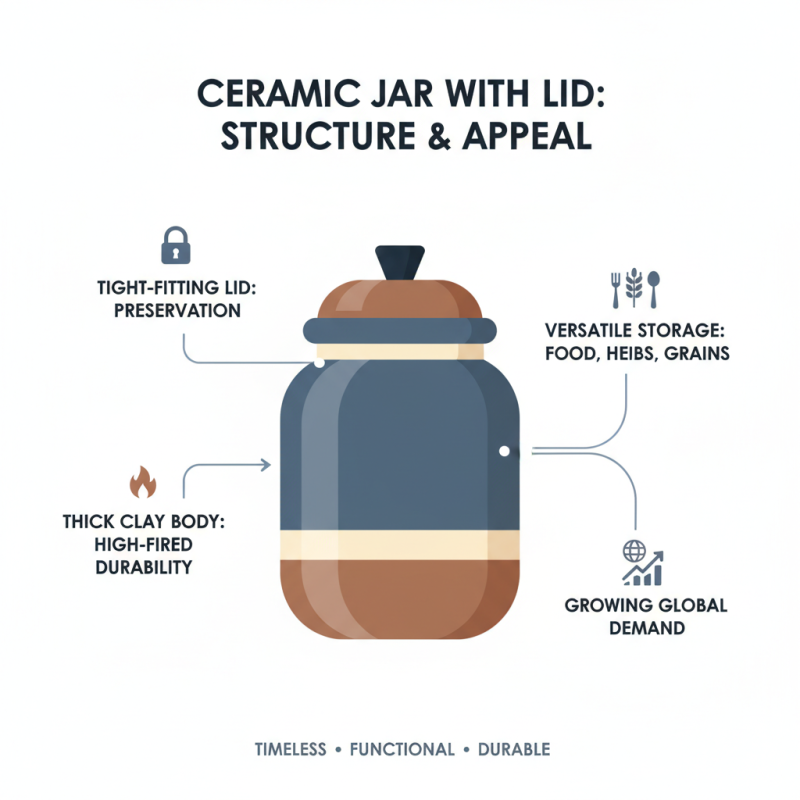
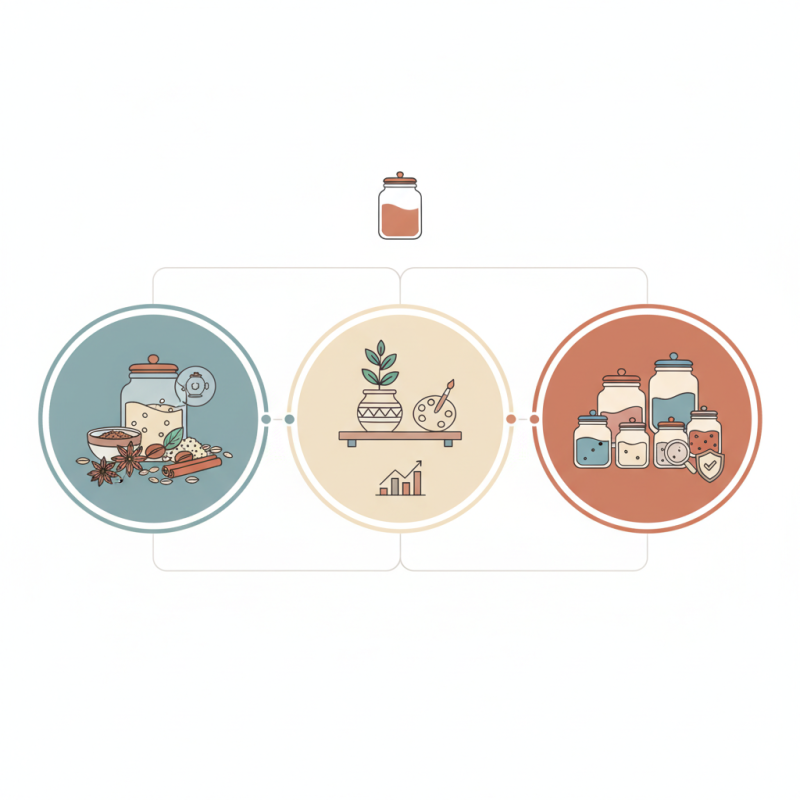
Ceramic jars with lids are simple yet versatile containers. Their structure typically includes a thick body made from clay, which is fired at high temperatures. This process enhances durability, making them suitable for various applications. A well-constructed ceramic jar often features a tight-fitting lid, essential for preserving the contents inside, whether food, herbs, or grains. According to a recent market analysis, the global demand for ceramic kitchenware is projected to grow by 4.5% over the next five years, showcasing their widespread appeal.
The material used in ceramic jars contributes to their thermal stability. They can withstand significant temperature fluctuations, which makes them ideal for both hot and cold items. In fact, a study from a leading ceramics institute indicated that jars with lids are 35% more effective at maintaining temperatures compared to plastic alternatives. However, users should be aware of potential flaws. Not all ceramic jars are food-safe; some might leach harmful substances if improperly glazed. Consumers must look for certifications to ensure their safety.
Despite their many advantages, ceramic jars are not perfect. They can be heavy and prone to chipping or breaking if dropped. While they add aesthetic value to kitchens, selecting the right jar requires careful consideration of usage and maintenance. Understanding the balance between functionality and fragility is crucial for maximizing the benefits of these timeless containers.
Common Materials Used in Ceramic Jar Production
Ceramic jars with lids have long been favored for their versatility and functionality. They can be made from a variety of materials. Commonly used materials include earthenware, stoneware, and porcelain. Each material offers unique properties, impacting the jar's usage and style.
Earthenware is known for its porous nature. This means it can retain moisture, making it suitable for storing items like grains and spices. A report from the Ceramic Industry Association notes that earthenware accounts for roughly 30% of ceramic jar production globally.
Stoneware is denser and more durable. It resists cracking and can withstand higher temperatures. This makes it an ideal choice for food storage and cooking applications.
Porcelain, celebrated for its refined and elegant aesthetic, finds its place in upscale kitchen environments. It’s often used for decorative purposes, while still being functional. The global market trends highlight a 15% yearly growth in porcelain jar popularity.
While these diverse materials offer many advantages, it is essential to acknowledge that their manufacturing processes can be energy-intensive and may raise sustainability questions. Balancing functionality with environmental considerations remains a challenge for producers.
Various Functions and Uses of Ceramic Jars With Lids
Ceramic jars with lids are versatile storage solutions found in many homes. They come in various sizes, designs, and colors, which makes them aesthetically pleasing. According to recent industry reports, the global ceramic storage container market is expected to grow significantly, reflecting a rising trend in sustainable and durable kitchenware. These jars are not only decorative but also functional.
In the kitchen, ceramic jars are primarily used for food storage. They keep ingredients such as flour, sugar, and pasta fresh and free from moisture. A study from the Food Storage Association revealed that proper storage can extend the shelf life of pantry items by up to 25%. Beyond food, these jars can store craft supplies, plant seeds, or even be utilized for organization in bathrooms. The lid helps protect contents from dust and pests, adding an extra layer of practicality.
Despite their many benefits, ceramic jars do have limitations. They can be heavy, making them less portable than plastic options. Additionally, if not handled carefully, they may chip or crack. Users should weigh these factors when considering ceramic jars. Overall, their multifunctional nature makes them a worthy investment, but it’s essential to find the right balance between beauty and practicality.
How to Properly Care for and Maintain Ceramic Jars
Caring for ceramic jars with lids requires attention and a gentle touch. Regularly clean the jars by using mild soap and a soft sponge. This prevents scratches and preserves the finish. Avoid abrasive cleaners. These can damage the surface and make the jar look worn.
When storing ceramic jars, place them in a cool, dry area. Extreme temperatures can cause cracking. Always keep the lid on when not in use to prevent dust accumulation. If you notice any chips or cracks, you may need to reconsider whether to keep the jar for practical purposes.
Handling ceramic jars with care is essential. Each piece can be fragile and requires a mindful approach. Sometimes, neglecting these jars leads to regret over damages that could have been prevented. Regular inspection is important. This practice ensures they remain not only decorative but also functional.
What is a Ceramic Jar With Lid and its Best Uses? - How to Properly Care for and Maintain Ceramic Jars
| Feature |
Description |
Best Uses |
Care Instructions |
| Material |
High-fired clay or porcelain |
Food storage, decorative purposes |
Hand wash with mild soap |
| Lid Type |
Fitted or airtight lid |
Keeping contents fresh, storing spices |
Avoid abrasive cleaners |
| Design |
Varied designs, colors, and patterns |
Home decor, gifts |
Store in a dry place |
| Size |
Available in various sizes |
Organizing kitchen and pantry items |
Avoid sudden temperature changes |
| Cost |
Moderate to high, depending on craftsmanship |
Long-term storage solutions |
Check for cracks before use |
Popular Styles and Designs of Ceramic Jars for Home Decor
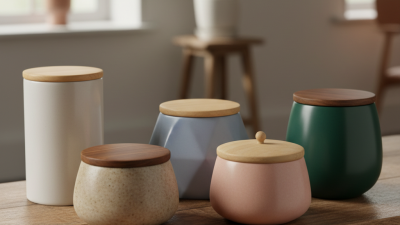
Ceramic jars with lids are versatile pieces that enhance home decor. Their designs range from rustic to modern, making them suitable for any room. A popular choice is the vintage-style jar, often featuring intricate patterns. These jars can serve as functional storage or decorative accents.
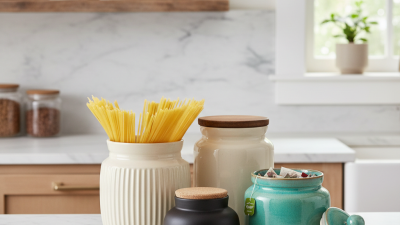
In the kitchen, ceramic jars can hold spices, pasta, or snacks. Their lids keep contents fresh while adding charm to countertops. For living rooms, sleek, minimalist jars can house remote controls or small collectibles. They can create visual interest when grouped together, drawing the eye.
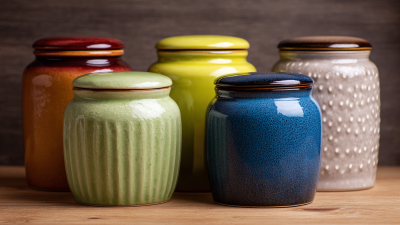
However, the right choice may not always be clear. One might hesitate between bright colors or muted tones. Think about how each piece fits into your overall decor. Experimentation is key; some styles may not resonate as expected. Exploring a variety of ceramic jars can lead to delightful discoveries for your home.
Popular Uses of Ceramic Jars with Lids