

65337edc2x

Leave Your Message

10 Tips for Buying a Ceramic Bone Ash Jar

Buying a Ceramic Bone Ash Jar is an emotional decision with practical consequences. The vessel may sit quietly on a shelf, yet its glaze, weight, and lid can shape daily remembrance. A beautiful photograph cannot confirm its real quality. Touch, measurements, and supplier information still matter.

Funeral-service educator and grief counselor Dr. John Canine emphasizes, “A memorial should help families remember, not create another burden.” That principle guides the ten tips ahead. They examine capacity, clay quality, firing strength, lid security, surface finish, personalization, and long-term placement. Check the jar’s internal volume against the amount of cremated remains. Measure the intended shelf before ordering. A few centimeters can change everything.

Look closely at the rim. It should feel even, without sharp chips or loose glaze. Ask whether the lid uses friction, threading, or a separate sealing method. Consider humidity, sunlight, children, pets, and accidental movement. Some decorative finishes look refined but may show fingerprints or scratches easily. Request clear photos, care instructions, delivery estimates, and return terms. A trustworthy seller should answer directly.

Do not rush this choice.

I have noticed one weakness in many buying guides: they focus heavily on appearance. That is incomplete. Comfort, durability, and honest communication deserve equal attention. Handmade ceramics may contain small variations. These marks can feel personal, but serious cracks are different. Compare several options, discuss preferences with family, and choose a Ceramic Bone Ash Jar that feels respectful, stable, and suitable for its final setting.
10 Tips for Buying a Ceramic Bone Ash Jar

Understanding Ceramic Bone Ash Jars and Their Purpose

A ceramic bone ash jar is more than a decorative container. It is often made with bone ash, giving the ceramic a smooth surface, soft translucence, and refined appearance. Some buyers also use this term for a ceramic urn designed to hold cremated remains. The wording can be confusing, so check the product description carefully. Its purpose should guide your choice: respectful storage, a display shelf, or placement in a memorial space.

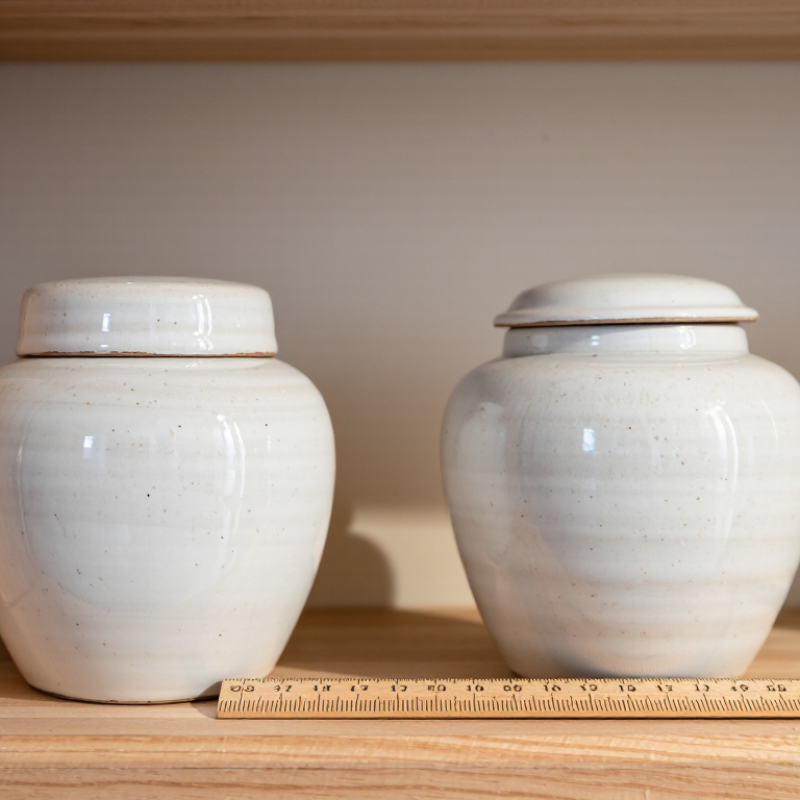
In my experience, small details affect daily handling. A glazed surface feels easier to clean, while an unglazed finish may show dust and fingerprints. A secure lid matters if the jar will be moved. Measure the available space before ordering. A jar can look compact online but feel surprisingly tall beside a framed photograph. Check the internal capacity, opening width, base stability, and packaging protection. I once underestimated the opening size. That mistake made placement unnecessarily difficult.

Tips: Ask whether the lid seals firmly, and request exact measurements. Choose a calm color that suits the memorial setting. Inspect photos for hairline cracks, uneven glaze, or sharp edges. If the jar will travel, select thicker ceramic and protective padding. Avoid choosing only by appearance. A beautiful finish cannot fix poor balance or limited capacity. Think about moisture, sunlight, and frequent handling. Ceramic is durable, but it can still chip. Some advice sounds obvious. It is still easy to overlook.
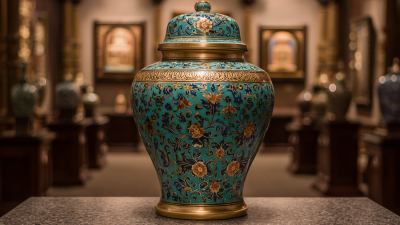
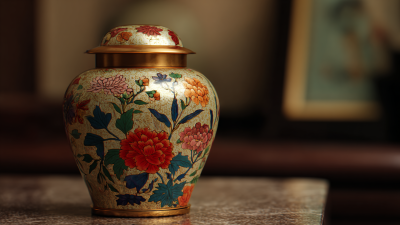
Determining the Right Size, Shape, and Capacity

Choosing a ceramic bone ash jar starts with capacity, not decoration. The National Funeral Directors Association’s 2024 report projects a 61.9% U.S. cremation rate, increasing demand for suitable memorial vessels. A practical industry guideline allows about one cubic inch of capacity per pound of body weight before cremation. For an adult weighing 180 pounds, a jar near 200 cubic inches offers safer room. That rule is not perfect.

Measure the inner cavity, not the outside shell. Thick ceramic walls can make a large-looking jar surprisingly small. Check the lid opening too. A narrow opening may complicate the transfer of ashes, especially when the material includes a sealed liner. Leave modest spare capacity for a keepsake pouch or protective bag. Do not overfill.

Shape should match the final setting. A wide, low jar feels stable on a shelf, while a taller design suits a niche with limited depth. For shared placement, confirm the niche dimensions in writing. For travel or relocation, choose a shape with a flat base and secure closure. The Cremation Association of North America emphasizes careful handling and clear identification during ash transfers. Labeling matters.

Ask about moisture resistance and firing quality. Ceramic can chip at edges. Glazed surfaces also show fingerprints and hairline scratches. I would inspect the underside, lid fit, and weight before purchase. Online photos can mislead. A slightly imperfect handmade finish may feel meaningful, but an unstable lid deserves reconsideration.

10 Tips for Buying a Ceramic Bone Ash Jar - Determining the Right Size, Shape, and Capacity

Tip Buying Dimension Useful Measurement Practical Recommendation Why It Matters
1 Estimate the required capacity Approximately 1 cubic inch per pound of body weight; 1 cubic inch equals about 16.4 mL Choose a capacity at least 10% larger than the estimated volume. Common adult sizes range from about 2,500 to 4,500 mL. A small reserve helps accommodate variation in cremated remains and prevents overfilling.
2 Match the jar to the intended use Keepsake: 30–200 mL; sharing urn: 200–800 mL; full-size urn: 2,500–4,500 mL Select a keepsake size for a small portion, a medium vessel for shared memorials, or a full-size jar for all remains. Capacity should reflect whether the jar is for display, sharing, burial, or permanent storage.
3 Check the exterior dimensions Record height, maximum width, and base diameter in both inches and centimeters For a typical full-size jar, allow roughly 8–12 in (20–30 cm) of vertical and shelf clearance. The listed capacity may fit, but the finished jar must also fit the planned niche, shelf, cabinet, or burial container.
4 Compare shape and footprint Measure the base area; circular, square, oval, and sculptural profiles use space differently Use a broad, low profile for stability or a taller, narrower profile when shelf width is limited. Two jars with the same capacity can require very different amounts of horizontal and vertical space.
5 Evaluate opening size A practical opening is commonly about 2–4 in (5–10 cm) across Choose an opening that permits a clean transfer without forcing or compacting the remains. A wider opening makes filling, inspection, and future handling easier while reducing spills.
6 Inspect the closure system Threaded lids, gasketed lids, friction-fit lids, and sealed bases provide different levels of security For long-term storage, prefer a secure threaded or mechanically fastened closure with a stable sealing surface. The lid and access point are central to preventing accidental opening during handling or relocation.
7 Assess ceramic construction Look for even walls, a stable base, smooth glazing, and no visible cracks or chips Avoid pieces with hairline cracks, sharp rim defects, severe pinholes, or an uneven base. Ceramic is rigid and can chip or fracture if it has manufacturing defects or receives an impact.
8 Prioritize stability and handling A wider base and lower center of gravity generally improve resistance to tipping For high-traffic areas, select a weighted base, non-slip underside, or broad footprint. Display locations near edges, pets, children, or frequent movement require additional stability.
9 Consider placement conditions Indoor display is usually more suitable than exposed outdoor placement for glazed ceramic For outdoor use, verify the product is rated for moisture, freezing temperatures, and ultraviolet exposure. Water penetration and freeze–thaw cycles can damage porous ceramic and weaken finishes.
10 Verify documentation and care instructions Confirm internal capacity, materials, dimensions, closure method, and cleaning guidance Keep the measurement sheet and care instructions with the purchase records. Clear specifications reduce sizing errors and help preserve the ceramic surface and closure over time.

Measurement note: Capacity refers to the internal usable volume, while exterior dimensions include the ceramic body, lid, and any decorative features.

Evaluating Ceramic Quality, Finish, and Craftsmanship

Buying a ceramic bone ash jar requires more than admiring its color. Examine the rim, lid, foot ring, and inner cavity under bright, angled light. A smooth glaze should feel consistent, without pinholes, crawling, sharp edges, or cloudy patches. Tap the body gently. A clear, even ring can suggest sound firing, although shape and wall thickness affect the result. I have trusted sound alone before. That was a mistake.

Tip: Check the clay body and glaze together. A strong contrast may look attractive, but uneven glaze stress can create hairline cracks. ISO 10545-3 measures water absorption, porosity, and density. ISO 13006 places the BIa tile class at 0.5% or less water absorption. That figure is a useful ceramic benchmark, not a certification for jars. Ask whether the maker has test records based on ASTM C373 or an equivalent method.

Tip: Inspect craftsmanship at human height. The lid should sit steadily, without rocking or scraping. Threads, if present, should turn smoothly. Hand-painted details may show slight variation; that can reflect genuine craft, not poor quality. Still, variation should not hide warped edges or exposed clay. Check the base for felt pads, stable contact, and a clean finish. Request measurements, firing information, and close-up photographs before purchasing. Better evidence beats polished descriptions.

Checking Sealing Methods, Durability, and Maintenance Needs

When buying a ceramic bone ash jar, examine its sealing method carefully. The NFDA’s 2024 Cremation and Burial Report projects a 61.9% U.S. cremation rate for 2024. More families are choosing long-term storage, so closure quality matters. Ten checks can prevent avoidable damage.

Choose a lid with a compression gasket or secure threaded fit. Do not rely on glue alone. Ask whether the gasket resists heat, moisture, and aging. Check the contact surface for chips, uneven glaze, or visible gaps. A simple fit test helps: close the empty jar and gently invert it over a clean towel. It should remain stable. Still, this is not a certified leak test.

Review ceramic absorption data when available. ASTM C373 measures water absorption, apparent porosity, and bulk density in ceramic materials. ISO 10545-3 offers another useful comparison method, although it was developed for ceramic tiles, not memorial jars. Lower absorption may indicate better resistance to moisture, but it does not guarantee impact strength. Ask for testing records, not vague claims.

Look for an even glaze and a thick, balanced base. Avoid hairline cracks around the rim. Keep the jar indoors, away from direct sunlight, damp rooms, and unstable shelves. Clean it with a soft, slightly damp cloth. Never use abrasive powders or a dishwasher. My own practical caution is simple: a beautiful lid can still seal poorly. Recheck the closure after moving the jar.

10 Tips for Buying a Ceramic Bone Ash Jar

Compare common closure options by sealing security, durability, and maintenance simplicity before making a purchase.

How to read the chart: Higher scores indicate stronger practical performance. Threaded lids and gasketed closures generally provide better protection against moisture and accidental opening, while simpler friction-fit lids are usually easier to clean and operate.

Comparing Sellers, Custom Options, Prices, and Delivery Policies

10 Tips for Buying a Ceramic Bone Ash Jar

Compare at least three sellers before choosing a ceramic bone ash jar. Check material details, capacity, glaze quality, and product photographs carefully. Reliable sellers explain whether each jar is handmade, sealed, or suitable for long-term display. Read recent customer feedback, not only the highest ratings. Look for comments about finish, packaging, communication, and actual delivery times. Ask about dimensions. A beautiful jar may hold less than expected.

Custom options can include engraving, painted details, color changes, or discreet symbols. Request a digital proof before approving personalized text. Confirm spelling, letter spacing, and placement twice. Custom work often costs more and may not qualify for returns. Ask whether the quoted price includes setup, engraving, protective coating, and taxes. The lowest price is not always the best value. Thin ceramic walls may increase breakage risk. Still, expensive does not automatically mean superior craftsmanship.

Delivery policies deserve equal attention. Confirm processing time, shipping method, tracking, insurance, and damage procedures. Ask how the seller packs the jar, especially around the lid and narrow neck. A clear replacement policy shows practical responsibility. I once focused too heavily on appearance and overlooked delivery timing. That was a mistake. Leave extra time for custom production and unexpected carrier delays. Keep all messages and order details until the jar arrives safely.